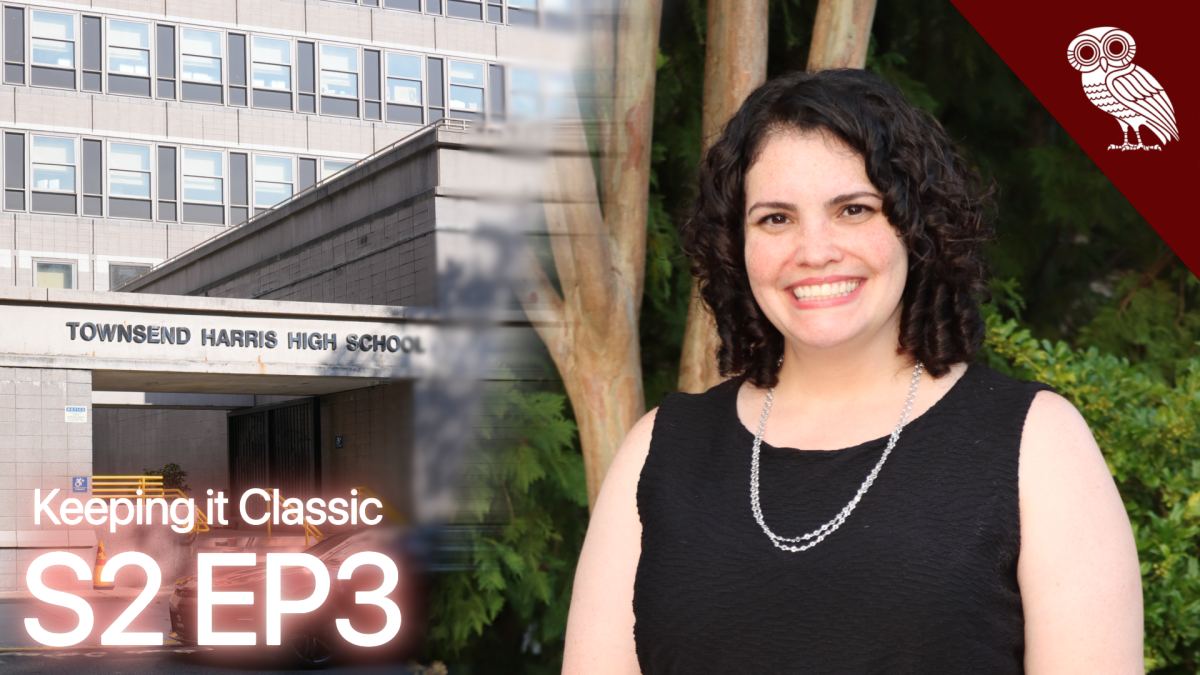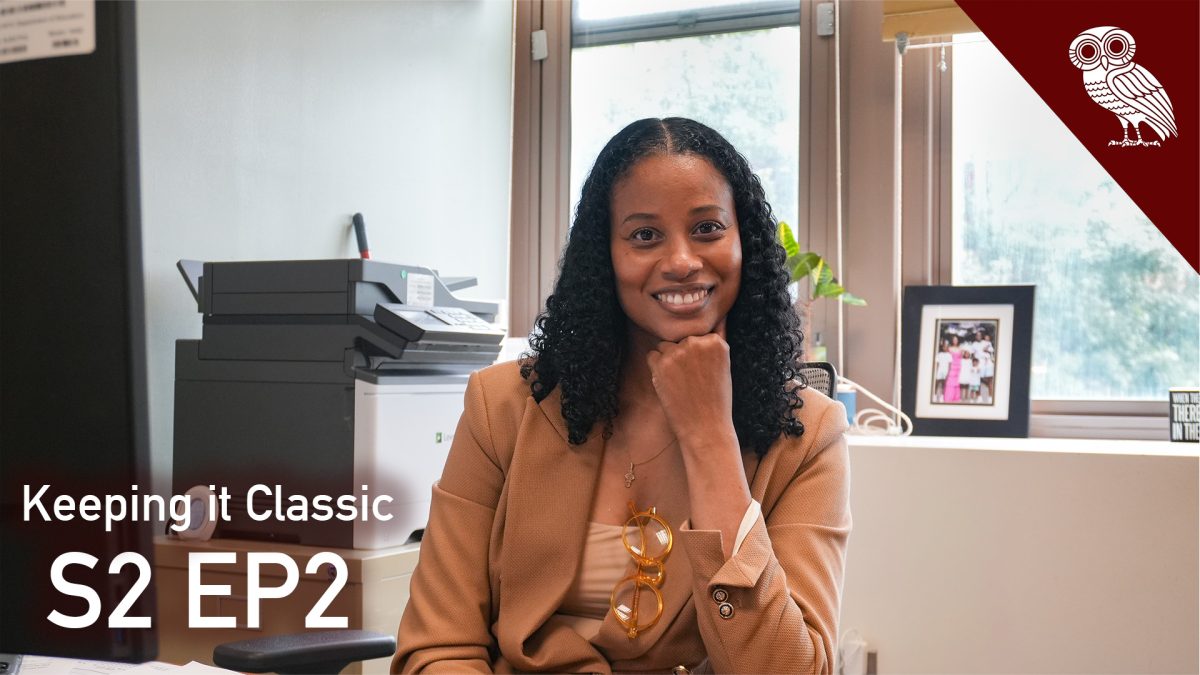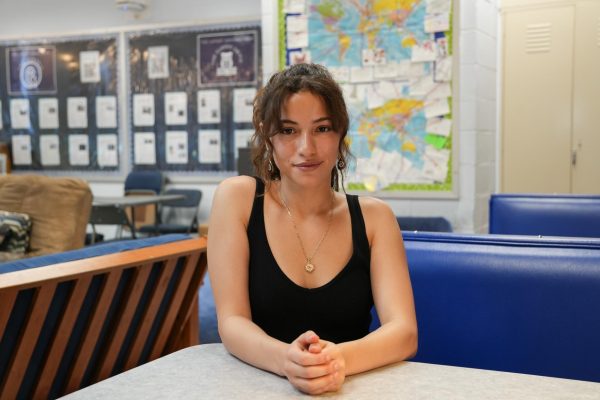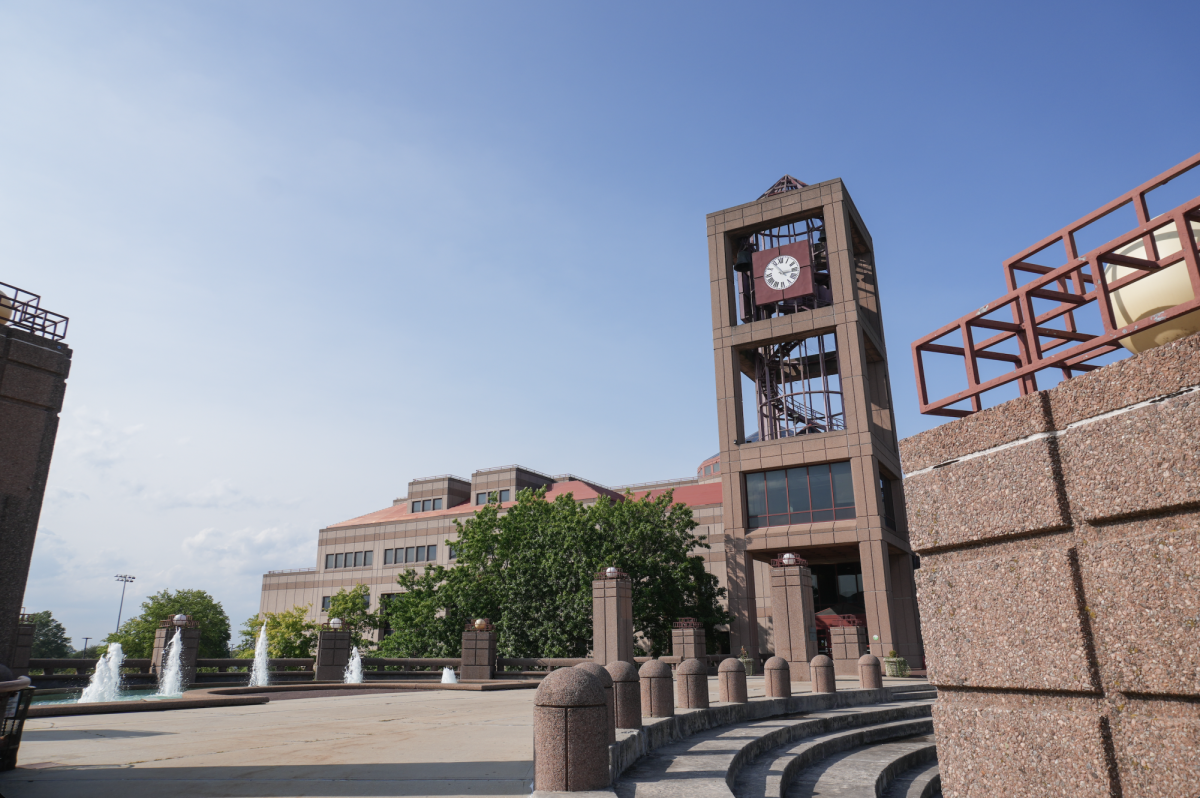

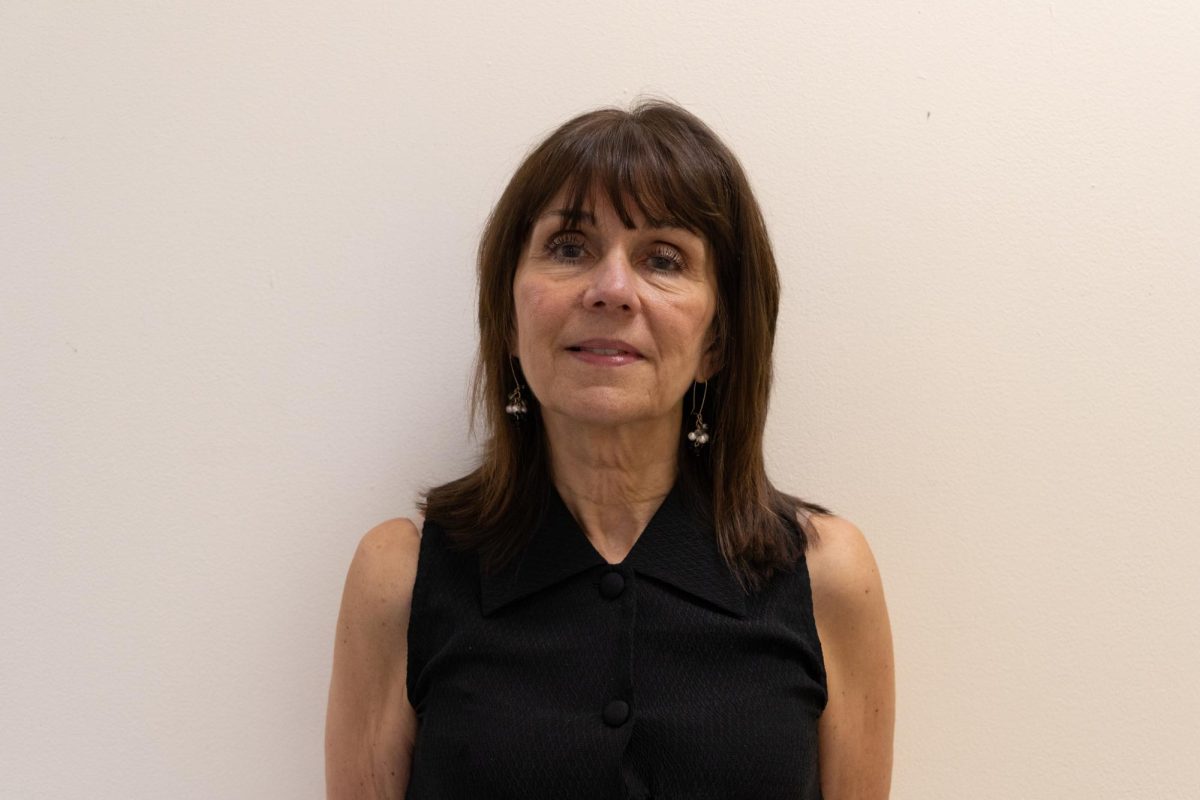

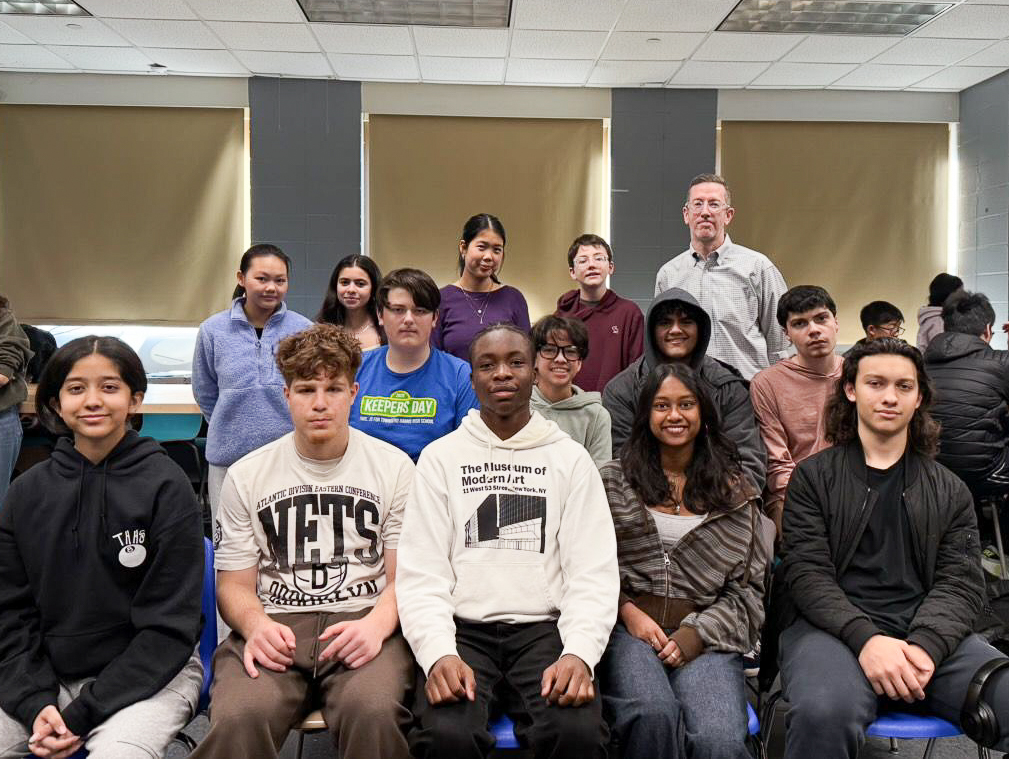




On this episode of season two of the Keeping it Classic podcast, Dr. Nolan joins our hosts to discuss his thoughts on how the New York State statewide cell phone ban in schools will impact reading and learning in the English classroom. Below is a transcript of the podcast episode for full accessibility, generated by turboscribe.ai.
Ryan Chen:
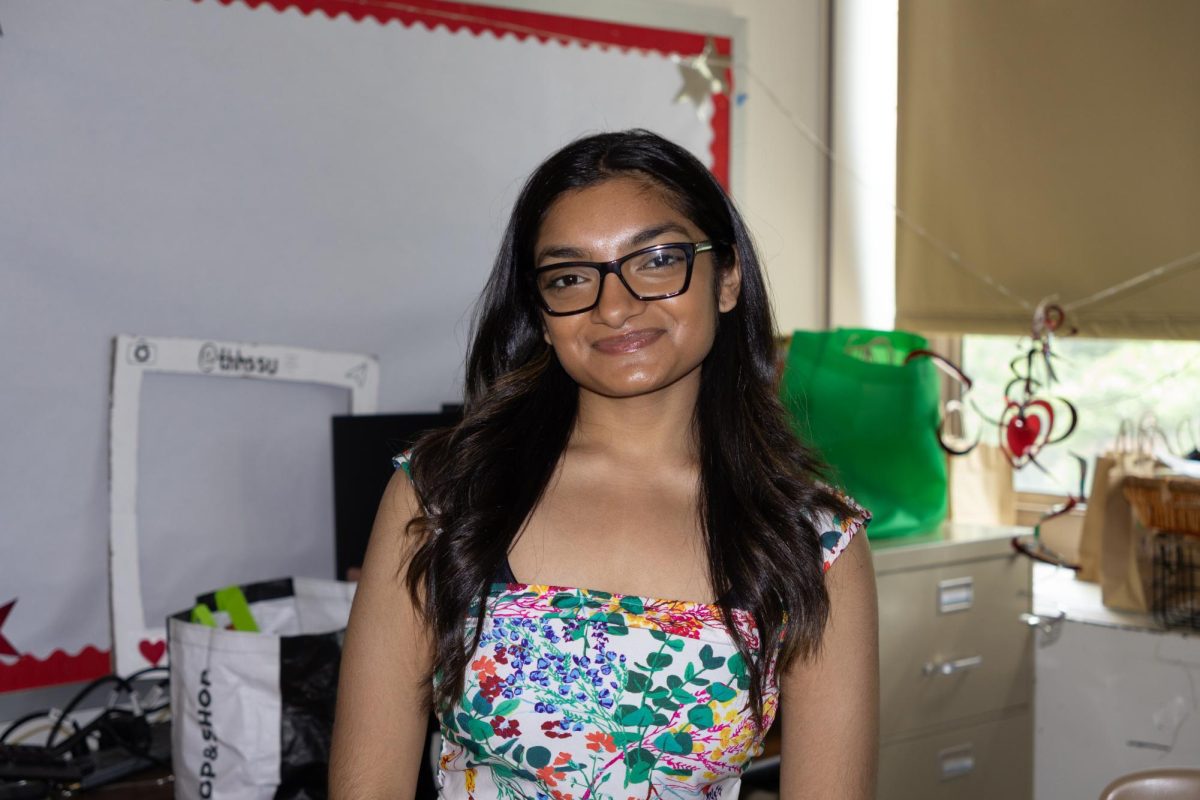
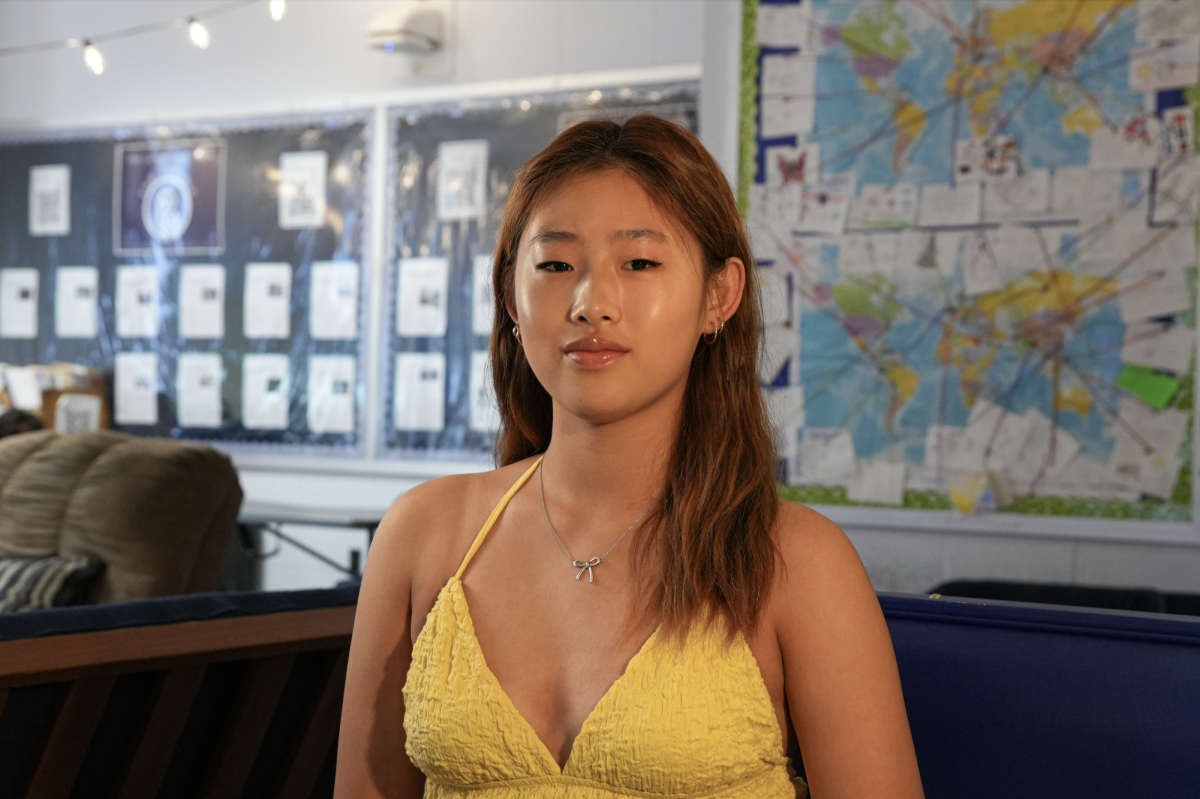
Hello and welcome to the next episode of Keeping It Classic Season 2. Keeping It Classic is the official student-run podcast of The Classic, and today we’ll be discussing this recent statewide cell phone ban, its effects in the classroom, and feedback from students and staff. This episode is hosted by Ryan and Yasmeen.
Yasmeen Ismail:
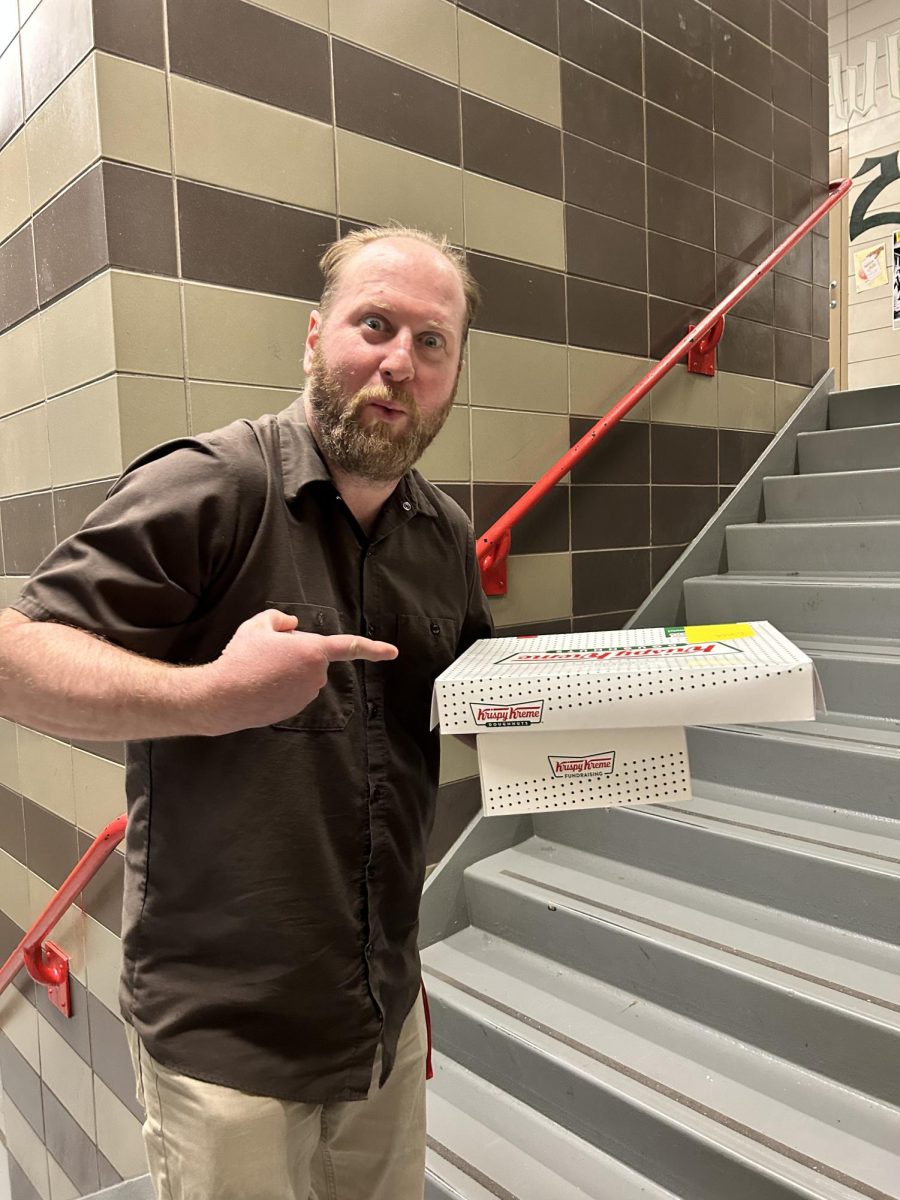
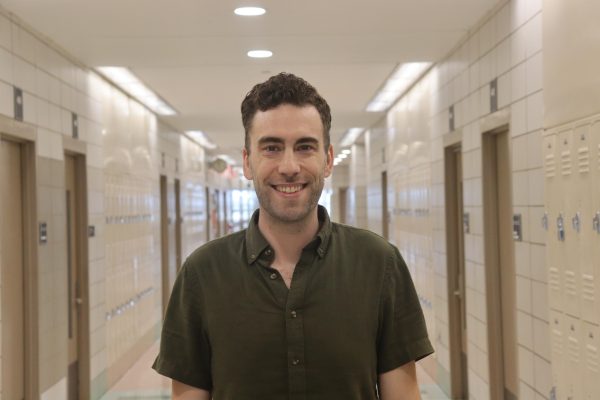
Today we are joined by a special guest English teacher, Dr. Nolan. We think Dr. Nolan has a unique perspective to share on the recent cell phone ban. But first, a little bit about our guest.
Dr. Nolan recently joined the Townsend Harris community last year. Before becoming a teacher, Dr. Nolan majored in English as an undergraduate at the University of Massachusetts Amherst. He later decided to pursue a Ph.D. in English literature and spent many years writing a 200-page dissertation called The Lodge in the Wilderness, Ecologies of Contemplation in British Romantic Poetry. Before joining Townsend Harris, he taught English and business communication classes at Queens College, Hunter College, Baruch College, Columbia University, and SUNY Purchase College, where he was the visiting assistant professor of literature. He also teaches both of us AP literature this year.
Ryan:
Welcome to the podcast, Dr. Nolan. It’s good to be here. Now, to make the connection between English literature and the cell phone ban, because I think you would also kind of like, what’s the connection there?
And I think some of our listeners out there might be confused on how those things are related. I think it’s best to reference your substack called Headlands, and specifically your most recent post, The Craft of Criticism, How Literary Study Makes Us Co-Authors, an adaptation of the lecture you gave on September 17th. To quote the first paragraph, indisputably one of the cornerstones of a good education in literary study, you said you hope students after lecture, “walk away with fresh ideas about how reading literature, studying it, writing about it, and learning from it, because it helps cultivate the interior life in unique ways that cannot be replicated or replaced by another medium or technology.”
Now, to build on this point, how do you think the use of cell phones in the modern day, especially in the classroom, affects literary study and the education students receive?
Dr. Nolan:
Well, I think it has a lot of effects. Some of them are good, and I’m learning how to take the good parts of using a cell phone and bring them into my classroom. However, now that the cell phone ban is in place statewide, it’s actually relieved me of a lot of that responsibility.
And I feel like, in a lot of ways, it can help us to practice those skills of attention that you really need to cultivate in order to do well as a reader, as a writer, and as a thinker. So this year, it’s kind of funny because it’s my second year at Townsend, and I’m having to reinvent and repackage lessons and units that last year were fine to use because we had cell phones, we could jump on the internet, Google Classroom, and do all sorts of things with the phone or with a tablet or laptop. And now we’re going back to paper, back to basics, and still hoping to kind of keep things fresh in class.
And now that I have both of you as students, I guess you probably have a clearer read on how things are going than I do from that perspective. So we’re still figuring it out. And so far, I’ve really been impressed by the buy-in that Townsend students have had with the cell phone ban.
And I think the early returns are looking very good.
Yasmeen:
How do you think students have been responding to the ban and its implementation?
Dr. Nolan:
Overall, I think there was a fidgety feeling in the classroom the first week or so. And that has gradually started to reside. I think it’s really nice to see students looking at each other in the face, coming to class kind of simmering with energy.
And, you know, I don’t get so much of the withdrawal and the kind of reticence that I think was present when there was the constant temptation of phones last year. So I think, again, a major improvement, and I hope that we can keep the momentum going.
Ryan:
At Townsend, teachers have some flexibility to enforce the ban. How do you personally enforce it in your classroom?
Dr. Nolan:
So I used to teach at a Catholic high school in the Bronx that had a very strict cell phone policy. And whenever we saw a cell phone out as teachers, we were told to confiscate it and to bring it down to the dean’s office. I’m not going to bring the cell phones that I confiscate down to the dean’s, but in the one instance where I have seen egregious cell phone use, I just told the student to come pick it up from me at the end of the day.
So I removed the temptation from the student’s day for the rest of the school day. And when that student came back, we had a conversation about, you know, here’s why the cell phone ban is in place. It’s there to help you learn.
It’s there to help you, again, build that difficult skill of attention. And it seemed like we reached an understanding, and there haven’t been any problems since then. So limited sample size right now, but so far so good.
Yasmeen:
In recent years, there has been a shift away from assigning hard copies of class novels and other readings in English classes. Do you think digital texts read largely on phones are as effective as physical copies of books?
Dr. Nolan:
No, absolutely not. Real print books are, it’s not just, you know, absorbing the text and the ideas into your mind, but it engages many of the senses besides just the visual. You know, you can smell an old book, even a new book.
You can tell the difference between them. There’s a tactile aspect to it, too. When you’re turning the pages, and you have to be delicate with the book itself, especially if it’s a trade paperback that’s starting to turn a little yellow, and the pages are all feathered and marked up.
You really, you start to treat the physical book with delicacy and with care, and I think it really, there’s a connection there where you treat the words on the page with care as well, at least in my experience. And so I’m all for, if we can find space for them, getting more books, you know, packed in here. I’m hoping to use some physical books in the senior seminar that I teach, which is notoriously difficult because the class happens off campus at Queens College, and so just kind of coordinating resources becomes a bit more of a challenge.
And I’m looking forward to when we do our first major text in AP Lit, which is going to be Shakespeare’s Macbeth. We’re going to get those books rolled in on a big cart, and, you know, I look forward to just using the physical book there, and you’ll see. I’ll give a long lecture about how much I love physical books.
And the book as an object, too, I could keep going on this, but I’ll try to keep it brief. The history of physical books and print culture is fascinating, and I think it’s a huge part of the story that helps us to understand why reading and writing are so important today. So I’m all for print books.
Ryan:
Do you think taking away the phone will encourage more book reading, or do you think the usability and, like, quick reliability of using the phone and pulling out a digital print will limit reading books?
Dr. Nolan:
I think that there’s definitely a benefit to having the option of reading an electronic text. And sometimes I feel like as an English teacher, you know, just trying to encourage and motivate students to read feels like I’m a surgeon in a field hospital, and, you know, you’ve just got to triage so much of the time. So if the digital copy is right there and it’s the quickest and easiest means available, then sure, I’ll have that there.
One thing that I’m trying to think of when I’m designing my lessons and units is ways in which we can get our eyes on a book in class and just do some solid reading. And I think we’ve been trying to do this. We’re doing a poetry unit right now.
I’m trying to carve out just a little bit of time to do some in-class reading, and I hope to do more of that in the future, partly for the benefit of everyone, partly just because it’s nice to be, like, quiet and sit and think about the words for a little bit, and thirdly, so that we can support things like the reading initiative and maybe, like, you know, do a little double duty there of getting classwork done and also building our stats.
Yasmeen:
Do you think teachers should only assign physical copies?
Dr. Nolan:
In a perfect world, yes.
Yasmeen:
Or do you think there should be an option of digital material?
Dr. Nolan:
I think I’m going to be a hardliner about this and still say that, yes, ideally we would all have all the physical copies at our disposal whenever we needed them, even if that means camping out in the library and waiting for returns to come in so that we have enough copies. But I guess, you know, I could walk that back a little bit. You know, if a teacher has a strong preference for a digital copy, then if that’s what works for them, you know, that’s great.
Me, personally, I’m still figuring out the best practices for using digital copies. I think it’s tough. I’m a guy who, when I use my computer or cell phone for reading, I got, you know, I go from two open tabs and it’s nice and tidy to, like, 50 with no warning.
And so it’s hard to stay focused on that one text for a long period of time. I try to keep that in mind when I assign reading to students to digitally. So, again, this more applies to my seniors.
But sometimes just having the option to click onto one of those other tabs is enough to pull you away from the main text that you should be devoting a little bit of time to.
Yasmeen:
How about in terms of affordability? Do you think all students can afford buying the necessary books for their class?
Dr. Nolan:
Well, I would strongly – well, I try really hard to not have students buying other materials for any of my classes. Fortunately, we do have a little bit of a budget to get some physical copies of books when they’re needed. Otherwise, I think right now the English department’s library is extensive enough that we can just sort of pull from the old texts and cobble together a curriculum based on the stock that we have.
And that’s really great because, you know, you probably also know I’m a big fan of old books. And one of the great things about the library as it currently functions is there’s a lot of new books, a lot of, you know, publications from the last 10 or 20 years. But there’s also like we’re doing The Scarlet Letter in AP this year.
You know, there’s 400 copies of that sitting there. Probably a good deal of them haven’t been touched in 20, 30, 40 years. And so making the old ideas, the old texts new is great when you’re using physical books because sometimes those old texts have just been sitting there for a while just waiting to be rediscovered.
Ryan:
How do you plan to encourage students to read more at school but also at home? And why do you think that students should still look back at old literature, even if they might think like it’s outdated or not applicable to the modern world?
Dr. Nolan:
So that’s a tough thing. I think part of a teacher’s job is to show why it’s worth getting excited about your subject. And I try to do that in the classroom.
Outside of the classroom, it’s not really a place that I have any control over. Hopefully what I am able to convey in the classroom is something that a young person can witness and be a part of and then apply that kind of excitement to things that they’re interested in and to do some reading in subjects that they care about, to start kind of fashioning the person that they hope to become one day. And history has shown generation after generation that the people who take the initiative to find topics that they want to learn about and just go all in, reap the benefits of that, and very quickly, often in their lives.
So if I can sort of pass that on to the students that I encounter, I feel like I’ll have done my job.
Ryan:
And as a concluding thought, are you concerned about the future because of technology or are you more hopeful because of it?
Dr. Nolan:
My initial reaction as technological progress seems to ramp up is concern. But the more time goes by and the more I see just the next new thing coming over and over again, I’m actually really hopeful. I think there’s always new things happening that augment and modify and improve what’s come before.
And I think a merging of traditional ways of reading and attending to things and trying to glean information from a print text, that’s always going to be there. And the way that technology plays a role in that is going to be changing. So I’m excited for what’s coming in the future.
I think there’s going to be a shift back to a lot of general excitement about humanities-based learning as well and humanities subjects. So we’ll see.
Ryan:
Thank you for being on this episode of Keeping It Classic. And thank you for our listeners for listening to this episode. You can go check out our recent articles on thhsclassic.com or follow us on Instagram at @thhsclassic and on YouTube @thhsclassictv.
And we’ll see you in the next episode.
Transcribed by TurboScribe.ai.