
![Incoming Student Union President junior Aki Bejamin and other SU candidates sitting on stage while waiting to give their speeches during the May 18 SU Debate. Aki said he plans to “burn [the SU] all down and start anew.”](https://thhsclassic.com/wp-content/uploads/2026/06/IMG_9600-e1782439128607-1200x1131.jpg)



















After learning of the sudden passing of social studies teacher Joseph Seidel, many students and staff have spoken at length about what made Mr. Seidel such a unique educator. Last Wednesday, members of The Classic who were Mr. Seidel’s students met to discuss just what made him so special. As our readers know, these words of praise are not just polite things people are saying after a tragedy.
“Mr. Seidel just had that glow about him,” junior Methulia Medage said during our meeting. But what was that glow? What did it mean? We wanted to capture in greater detail exactly what made him special and what inspiration people should take from his life and work.
To us, the answer takes shape right on the first day of school when Mr. Seidel introduces himself by presenting pictures of his family, accompanied by the line: “We all have our own list of priorities, and this is my top priority, my family.” Through his role as a club advisor and APUSH teacher, he taught us to make our own lists of priorities. He did this not only by modeling it for us but also by encouraging us not to put school at the top of our lists.
This was the consistent refrain we heard across all the conversations, written submissions, and video recordings The Classic collected over the past week: Mr. Seidel taught his students how to prioritize what mattered, and he didn’t do so casually or superficially. He did it systematically, with energy, effort, and joy.

Mr. Seidel would begin every Monday class with his famous saying, “Fist to five, how was everyone’s weekend?” Essentially, he asked us to rate our weekend from 0 (horrible) to 5 (amazing).
Then he would ask the question again, crouching down by our desks to speak to each of us individually: “How was your weekend?” If you said you had spent the whole weekend working and studying, you’d be met with a groan and disappointment because, according to Mr. Seidel, you hadn’t done anything fun. His main point was that we needed a balance between school and our personal lives.
Teachers sometimes attempt to check in with students in a similar way, dedicating a short slide with different emotions at the beginning of a lesson or quickly asking how the class is feeling. Sometimes these interactions can feel somewhat stiff and artificial, however well intentioned.
None of this can be said about Mr. Seidel’s check-ins. They never felt like part of the requirement to be a teacher. He would often seek us out or show up unexpectedly to ask how we were doing. It didn’t feel like you were being interviewed, and through his tone and effort, you could feel he truly cared about your answers.
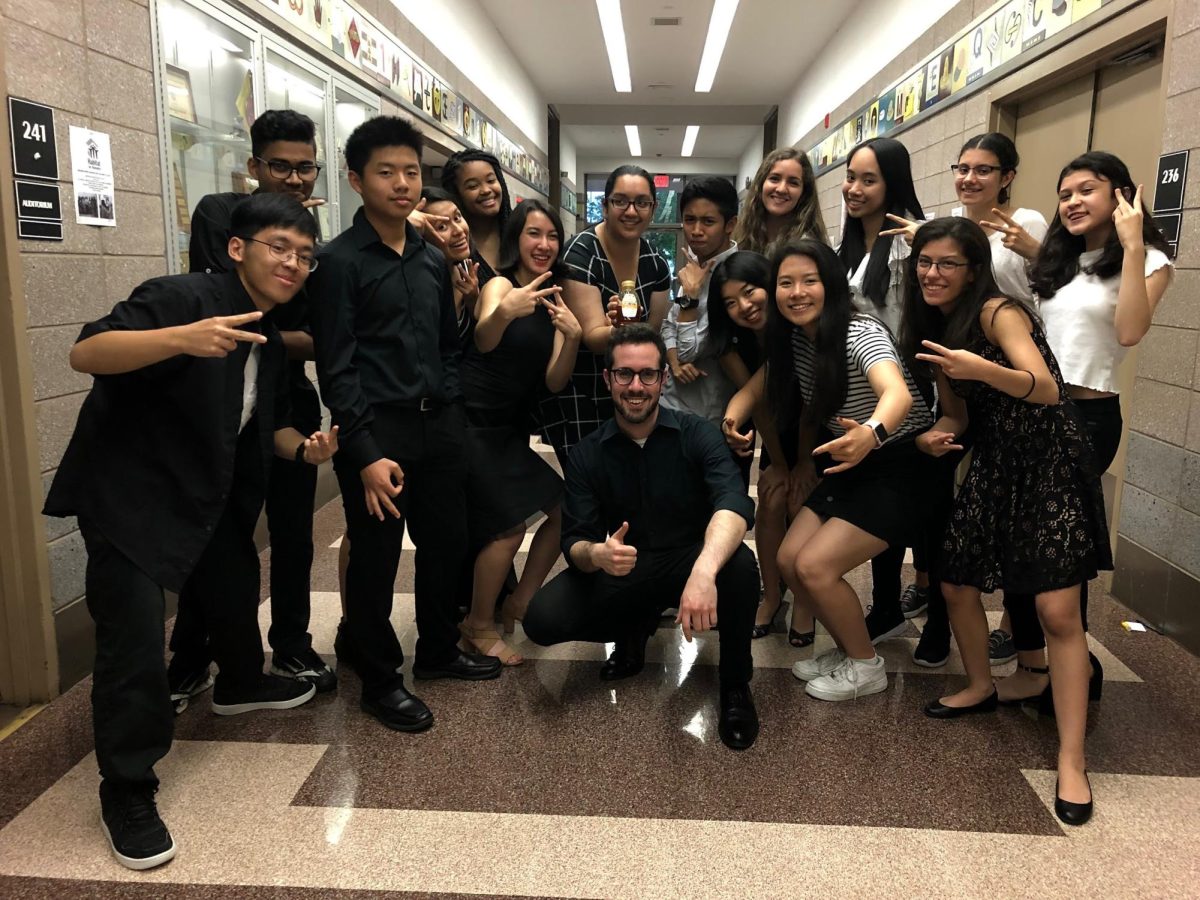
And he followed up. He showed up unexpectedly to games we were playing in, even and perhaps especially the ones few others attended. He came to performances. He went out of his way to ask us how something we were doing had gone. He listened to what we shared from our lives and made sure to show us he cared about what we cared about outside of class.

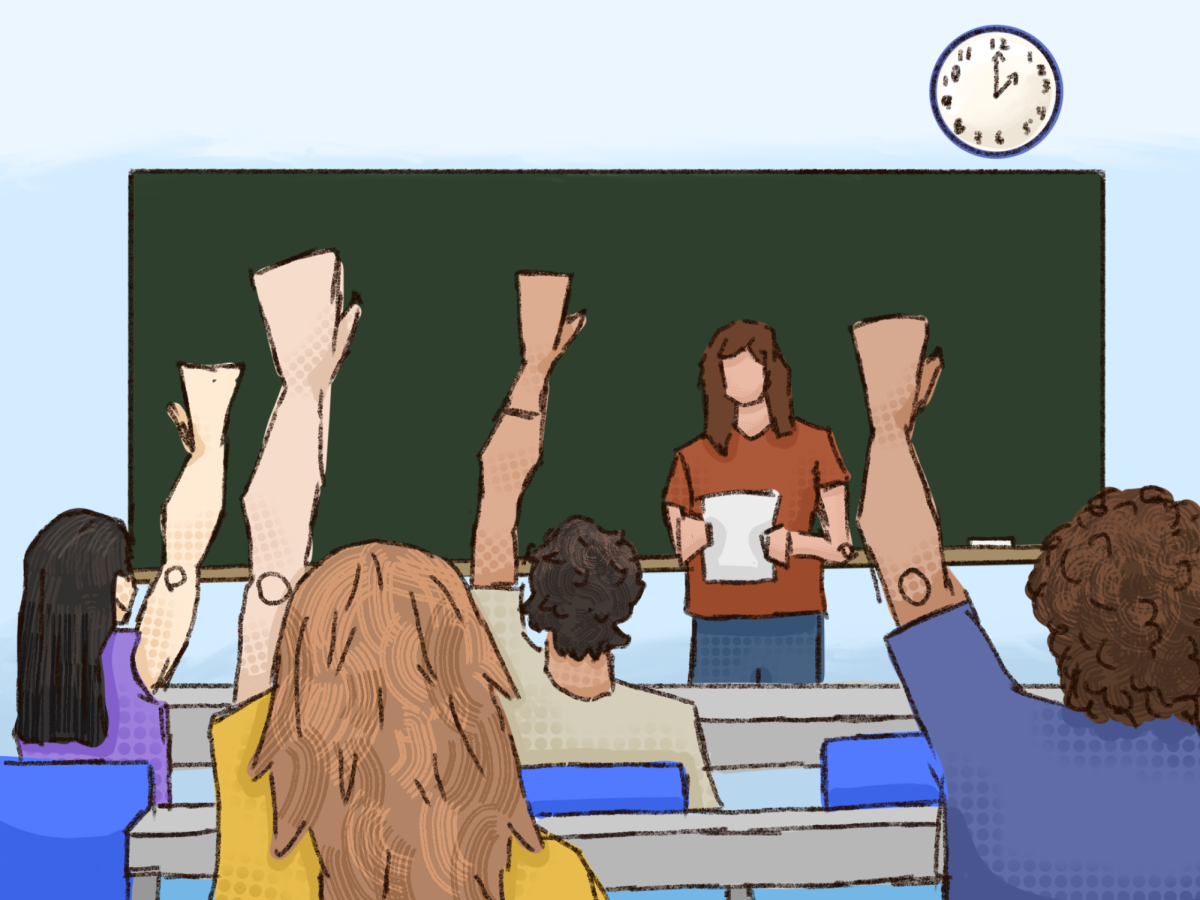
He hated the possibility of his class becoming a source of stress for his students. He stood firm about his policy of always granting extensions. However, after he said yes, it was always followed by a question: “Why do you need it?” In asking “why?” we knew he wasn’t looking for an acceptable excuse. He was asking us what was going on that made us need the extra time, and showing us that he cared more about our lives than his deadlines.
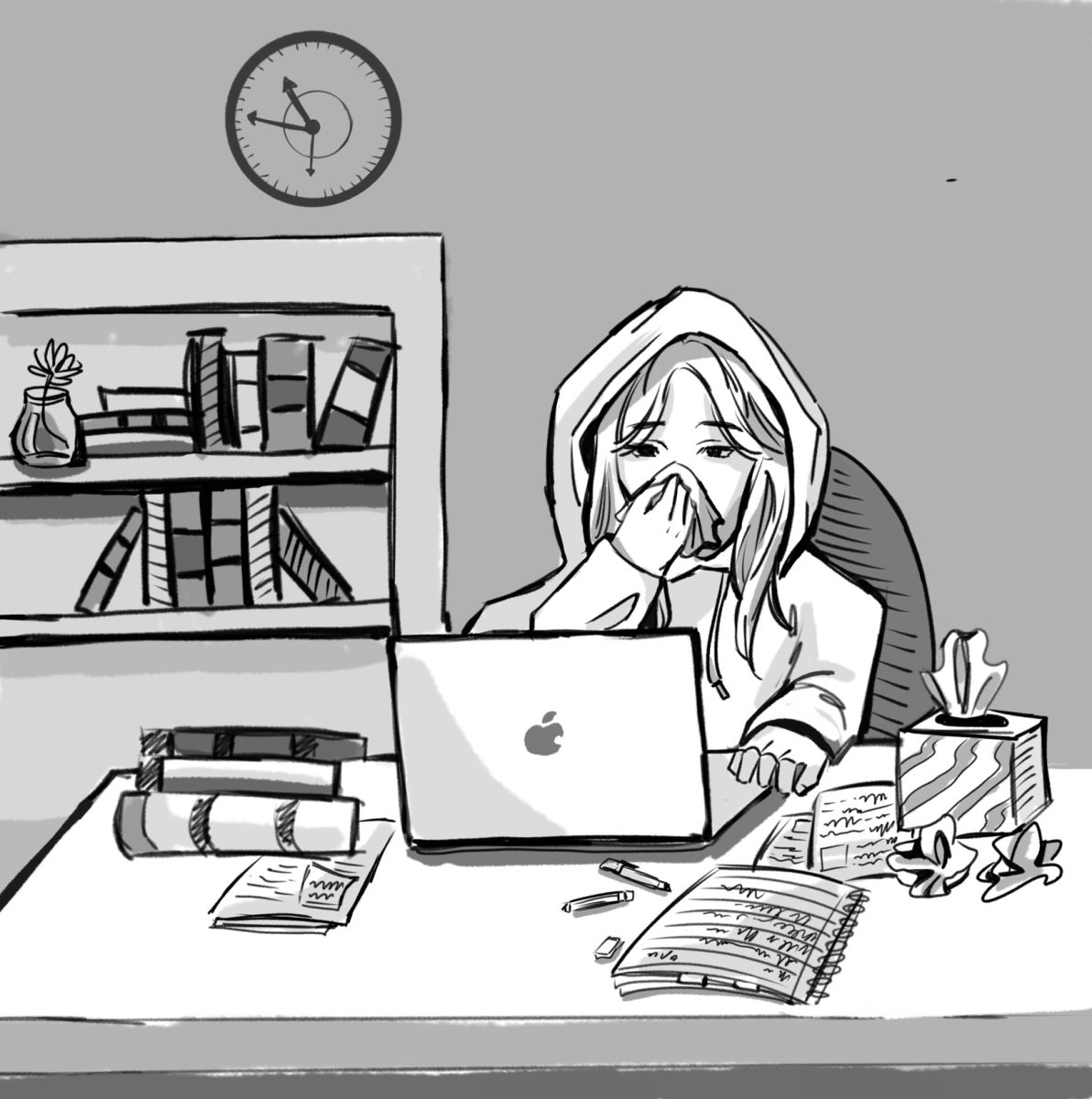
If he found out it was because we’d been staying up late studying or stressing out about schoolwork, either in his class or others, he would show one of his rare flashes of anger – an anger of frustration that was more exasperation at our perspective than him ever actually being mad.
This may seem like he thought of teaching history as less important than being a support system for his students, but Mr. Seidel was an amazing history teacher. In fact, he would often pause his lunch to sit with students, explaining U.S. history timelines, events, and multiple-choice questions. He would also create personalized study plans if you told him you struggled with retaining information.
But even as he dedicated himself to teaching a rigorous class, arriving early most mornings to set up his lessons, Mr. Seidel was able to maintain a balance between being personal and academic with students.

Students weren’t overwhelmed with assignments from his class, nor were they left to their own devices. Although Mr. Seidel constantly encouraged us to build our own social lives, he also maintained a balance between an academic, rigorous classroom environment. Through his actions, he taught us to be both emotionally and academically intelligent.
His weekdays were often filled with teaching and grading work. Especially in the weeks leading up to the AP U.S. History exam, he spent more time at school — staying late to host review sessions and support the Public Forum Debate team, which he advised.
But he always left promptly at 5:00 PM to make it home to his family, and he spent his weekends doing things he loved. He spent time with his family, fished, and camped. He shared all of this with us, not because he wanted to teach us about his family and hobbies instead of teaching us U.S. history, but because it was all part of his overriding lesson about priorities. Through example, he showed us that he could be a balanced teacher who matched rigor with understanding. He showed us he could be a balanced person by prioritizing his family even as he went above and beyond for us. Through his own actions, he served as a model on how to balance work and life.
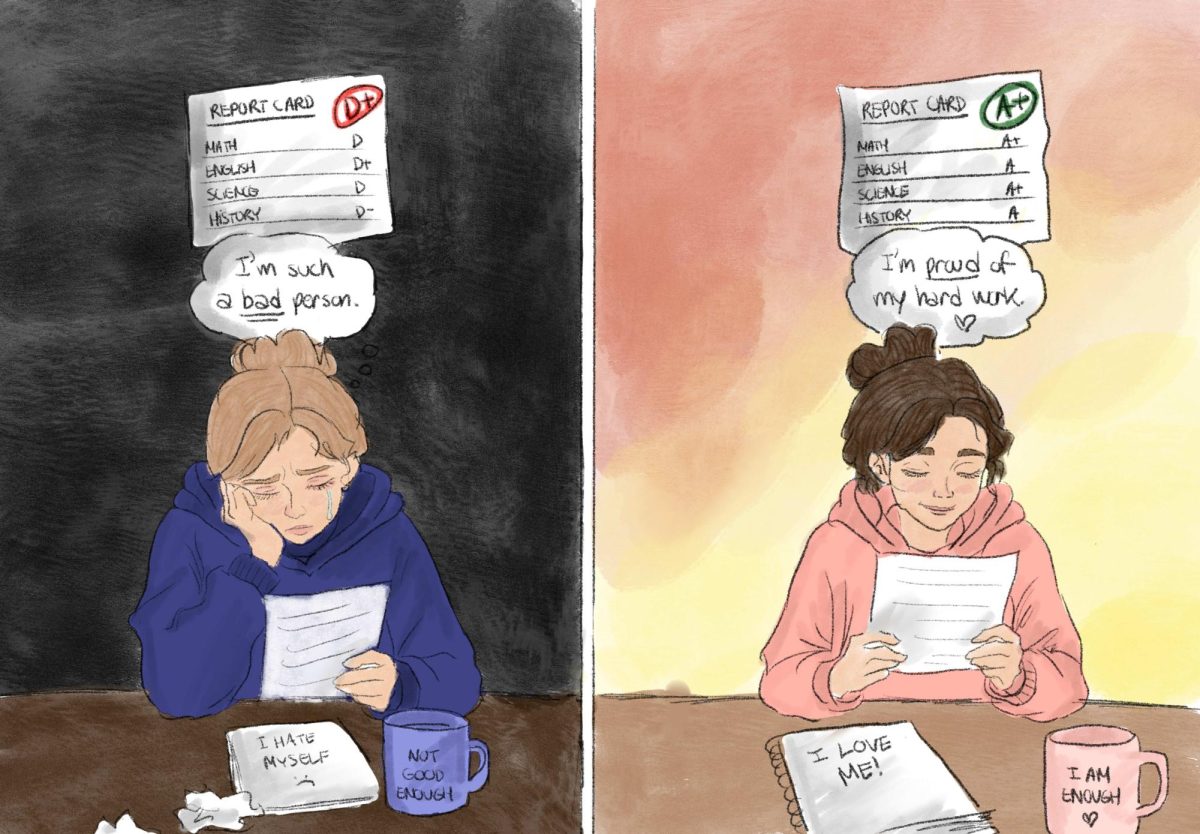
In a school like THHS, where we are all constantly caught up in the rigorous academic environment, Mr. Seidel was the person to constantly remind you to take care of yourself. He often told us there were two types of tired: good tired and bad tired. Bad tired was when you would stay up to study for an exam, and good tired was when you stayed up because you were at a concert. He would scold you for being bad tired and would press you for details when you were good tired.
Mr. Seidel worked hard to be the person to constantly push students to enjoy their lives outside of school. His persistent reminders to relax were something highly necessary in an environment where students are often preoccupied with academics. His belief that we should all be people outside of school will be the legacy he leaves behind.