











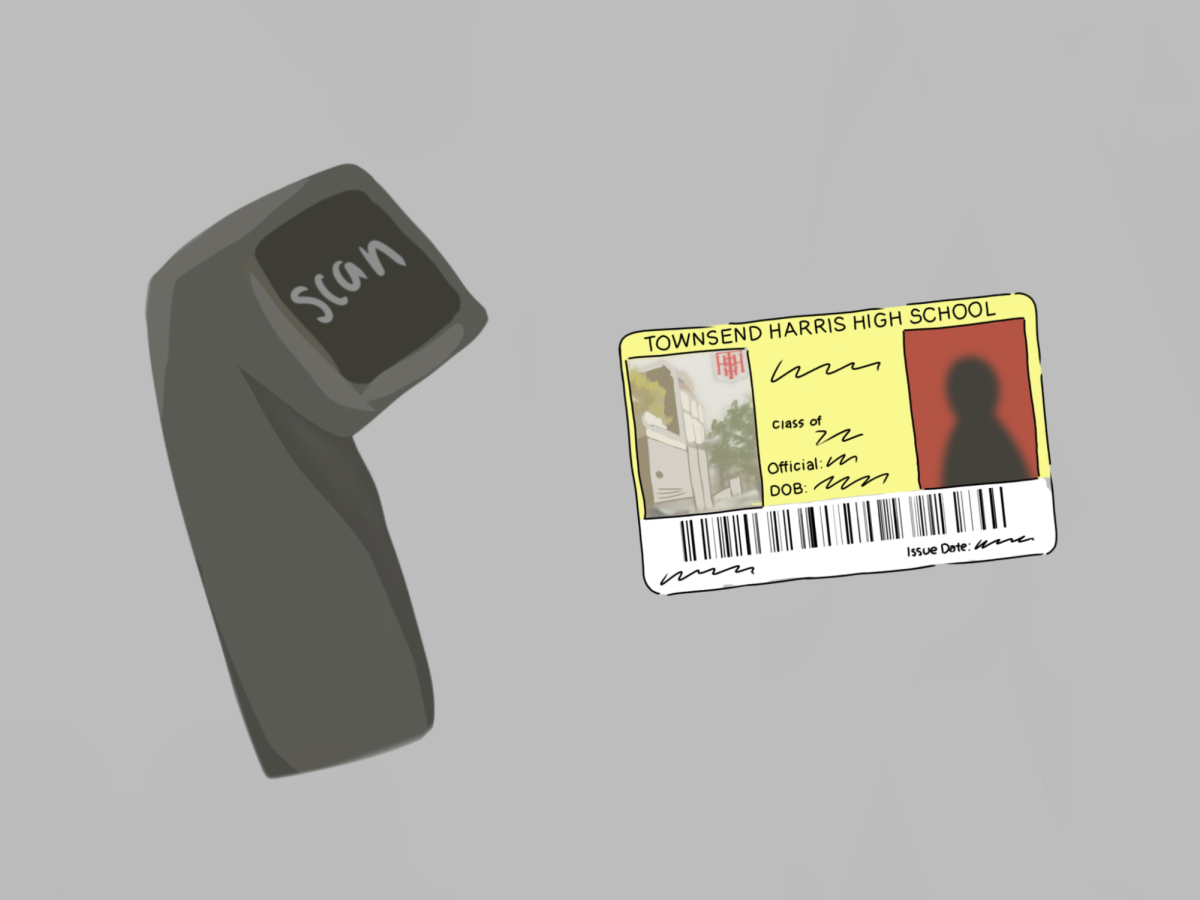



The 2026 Townsend Harris High School club application cycle is under way. This year, the newly expanded Club Council, a student-led group within the Student Union, has taken on the role of reviewing club applications and determining which ones will proceed to interviews and final approval.
In the past, the Student Union facilitated the full club application process. This year, the Club Council first reviewed the applications, and in the last phase of the process, the committee will work alongside SU members, observing trial club meetings.
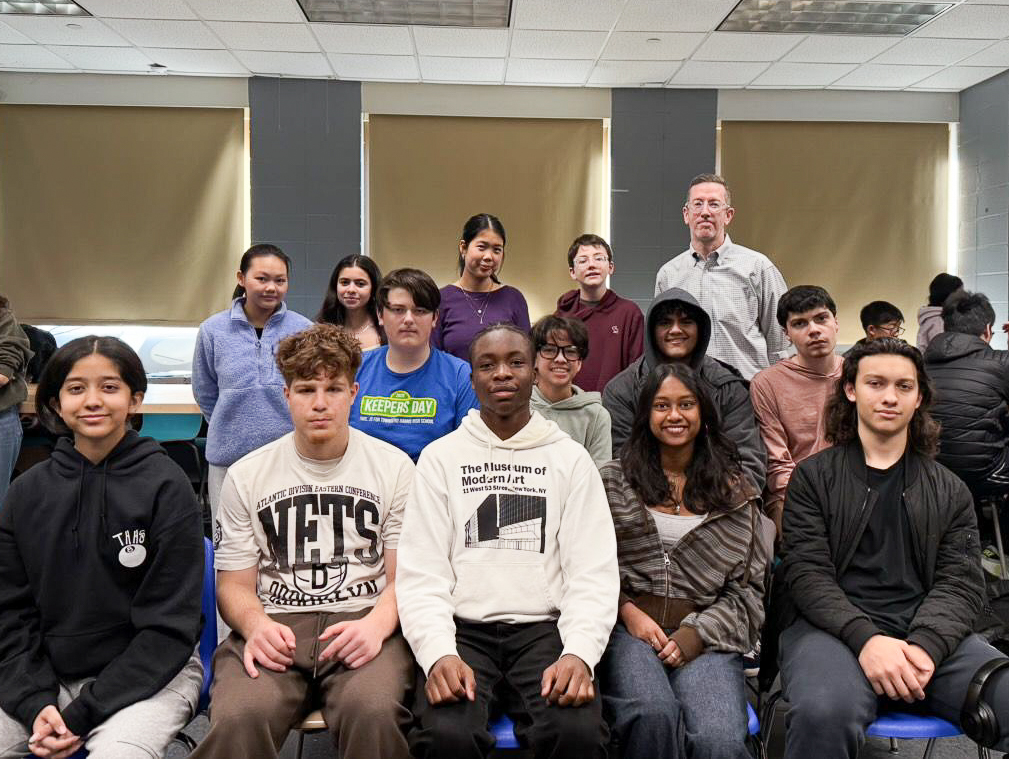
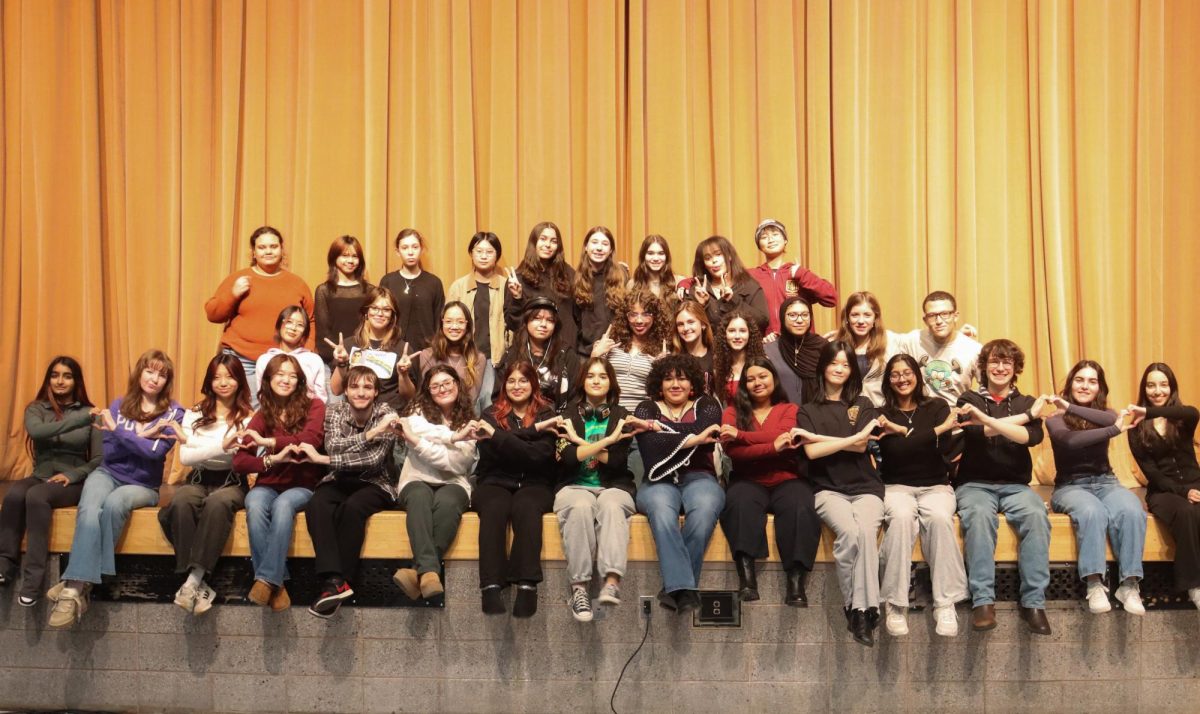
Club Liaison and junior Aki Benjamin said that the Club Council “previously existed as a committee of the senate, [and] this year it’s been expanded to be a co-equal branch of the SU, like grade leaders or senate.” The Council is open to anyone who wants to join, he said. In addition to reviewing new club applications, the Council will eventually work alongside other SU members to observe trial club meetings.
Aki said he felt that this year’s changes make the club application “more efficient” than in previous years and aim to make the process “accessible to all.”
Executive-at-large and sophomore Tajrian Noor says the new process, particularly the involvement of the Club Council, “allows for broader student representation and ensures that decisions reflect a wider range of student perspectives.”
Club Council member and freshman Kaydee Pierre said, “We’re also able to evaluate ideas through a more practical lens, ensuring that proposed clubs aren’t just creative ideas but also something that would be engaging within a school environment.”
As in the past, students hoping to create a new club must gather student signatures and fill out an information form.
Aki said that the club information form now requires more information. He said, “The interviews mostly just told us about the person and who was running the club, and I didn’t think that that was a fair way of evaluating the merits of the club itself. So I decided this year, why don’t we actually focus more on what this club application is by adding more questions?”
Sophomore Diana Saidi, a club applicant this year, said that the signature packet was valuable “because it really shows that there are people who are willing to join your club, and there are people who approve of the idea.”
Applicants that move ahead in the process produce a 3-5 minute presentation for the Consultative Council, made up of the administration, deans, and members of the SU.
After the presentations applicants move on to club trials, a new step in the application process, which will take place from February to May. During this process, all club board members and the club’s advisor will be observed by both an SU and Club Council member. Finally, students will be informed of whether or not they are approved to instate their club for the upcoming school year by June 5.
Coordinator of Student Activities Jaime Baranoff said the Club Council approved 18 out of the 46 proposed clubs to move forward to receive SU review. Out of these 18, eight moved onto the next round and six were approved for club trials? so far by the Consultative Council.
At any point in the process, students whose applications have been rejected are allowed to appeal the decision, Aki said.
Tajrian said, “When a club is rejected, applicants receive an email that includes a link to an appeal form. Through this form, students are asked to reflect on their application and explain why they believe their club should be reconsidered. Applicants are then invited to present their case in person, giving them the opportunity to clarify their vision and address any concerns raised during the review process.”
Additionally, the guidance department might verify information as requirements for the founders to start a club. Mr. Santos said, “As a counselor, we verify that students meet a specific average in order to start a club. While starting clubs can be fun, we want to ensure a student is not struggling academically first. There is a lot of responsibility in creating and leading a club, and it wouldn’t be wise to take on that responsibility when you are already having difficulties with schoolwork.”
Ms. Baranoff said, “Kids in this school want to be founders of clubs because they think it looks good on their college applications or for whatever reason, and then maybe they didn’t think about it completely….A lot of clubs, sort of start up, and then fall apart, either when the founding members graduate, or because they’ve lost interest, now that they have some things put on their resume.”
The expanded process aims to approve clubs that have greater chances for longevity.