























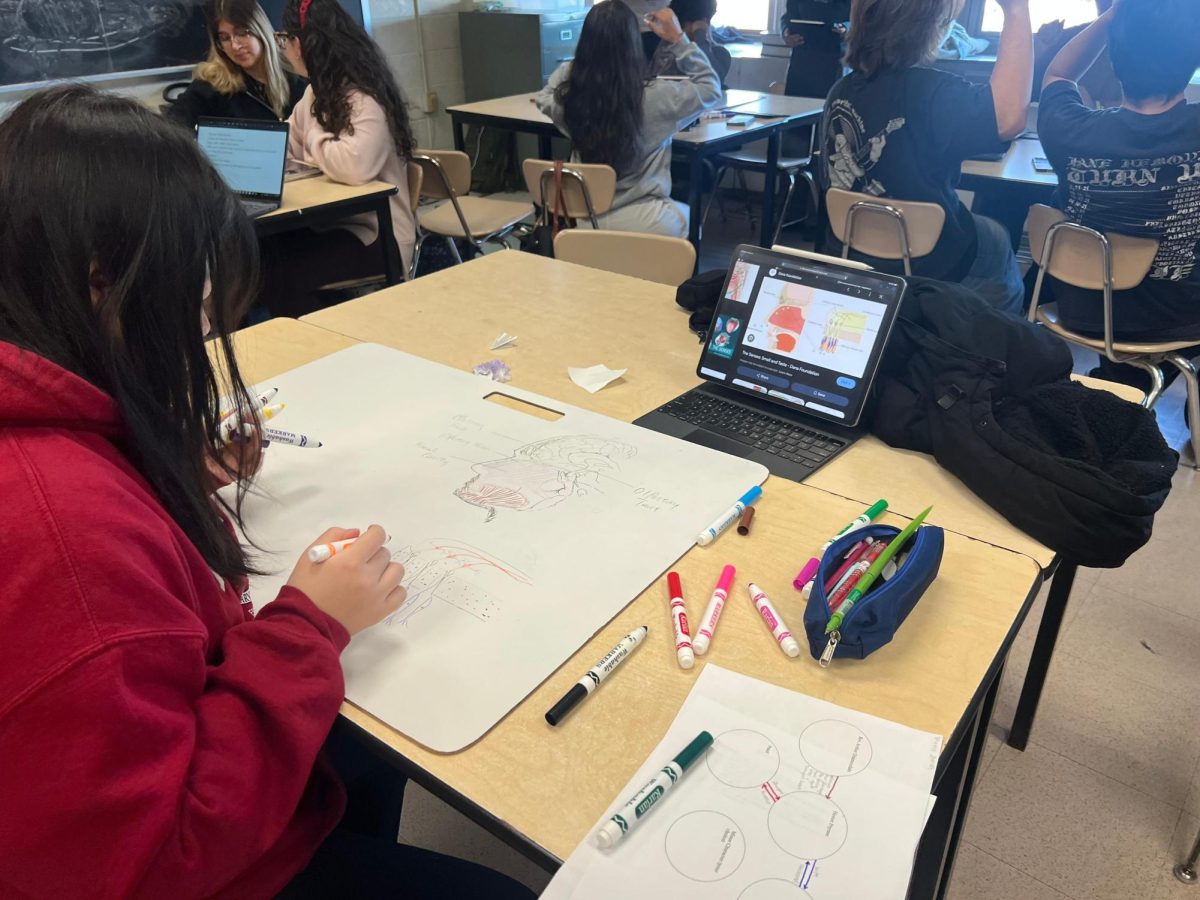




As I walk into class, my eyes shift to the stack of papers sitting on the teacher’s desk. The feeling of dread and anxiety overcomes me because I know exactly what those papers are for: a pop entrance ticket.
When I sit down, everything I know about the topic leaves my brain as I receive the paper. The single entrance ticket question echoes in my head. I then try to comprehend it, and with uncertainty, I scribble down an answer as time runs out. I pass the paper up, and I think to myself that my grade is going to drop once again.
At Townsend Harris, all math and science courses follow the same grading policy. Following numerous changes to the testing schedule in the past two years, quizzes can only be given on the subject’s set assessment days. In a way that appears to avoid this restriction, “progress checks” were implemented into math and science courses as a way to measure and test student’s learning. They are not officially quizzes, but in many classes, they have the same effect.
This year, these progress checks account for 30% of a student’s grade and are often also referred to as an “exit slip” or “entrance slip.” Progress checks can be a useful tool in classrooms and are important for tracking student progress, but they also have flaws.
Many students tend to not seek help immediately when they don’t understand a topic. If they are confused and struggling in class, they don’t usually see it as an urgent matter unless a test is approaching. Then, by the time the student begins worrying about studying and trying to understand the topic, it is sometimes too late. Studying should not feel rushed; it should be done in little bits over an extended time. However, progress checks combat this issue; as progress checks can be given randomly and more often, students realize the importance of filling the gaps in their knowledge as soon as possible, causing them to take actions like going to extra help or studying on their own sooner.
Not only does a progress check tell a student that they need help, it also tells them the specific skill they need to improve upon. Sometimes, students don’t even realize that they don’t understand something until they have to apply that knowledge without having their notes or classmates to help them.
Additionally, progress checks test students’ knowledge in an efficient way, usually only taking a few minutes to complete; it does not seep into the lesson time. Teachers can also grade them and give feedback very quickly due to the fact that a progress check has significantly fewer questions than an actual test or quiz with sometimes as little as one question.
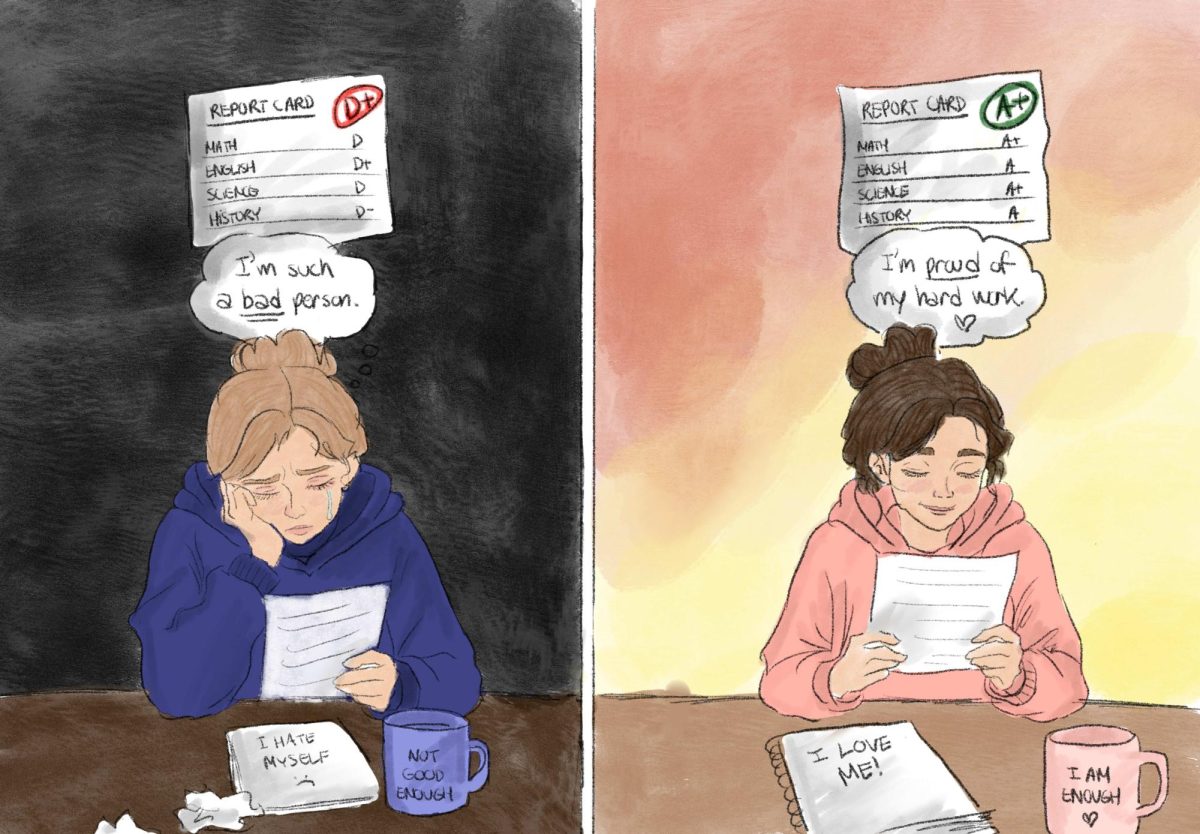
However, the fact that a graded progress check has very few questions also causes each question to have a much greater weight on the grade you receive. Some of the grades I have received on progress checks are the lowest I have ever received on any type of assignment or test, and I know this is a common experience amongst my peers as well. The constant low grades not only creates a lack of confidence within oneself but also a distaste towards the subject.
The intended purpose of a progress check is to help us improve academically and become more invested in our education. When we are learning, we are bound to make mistakes, and leaving room for mistakes is vital for improvement. If progress checks are truly supposed to help us perform better on tests, progress checks should not be significantly impacting our grades. They are intended to be low-impact and low stress, but are they really?
Compared to tests, which account for 50% of our grade, progress checks are worth more than half that percentage. As I mentioned before, it is also very easy to receive a low grade on a progress check if you make a small mistake, so the low grades may end up piling up.
There are various ways to approach this issue. The issue is not within the progress check itself, but how it is graded by teachers and perceived by students. One approach would be allowing students to do revisions after each progress check, similar to how students are allowed to do test revisions, which would give them back a portion of the points lost. This approach would help students to feel less stressed when taking a progress check and allow them to focus more on improving themselves after receiving their grade rather than thinking about how it is going to lower their grade.
In order for progress checks to be used to their fullest extent, it is crucial that they create a healthy balance of urgency with authentic motivation. As students, we have to learn to prioritize our education and create effective studying habits while simultaneously allowing ourselves to make mistakes from time to time.