![Incoming Student Union President junior Aki Bejamin and other SU candidates sitting on stage while waiting to give their speeches during the May 18 SU Debate. Aki said he plans to “burn [the SU] all down and start anew.”](https://thhsclassic.com/wp-content/uploads/2026/06/IMG_9600-e1782439128607-1200x1131.jpg)



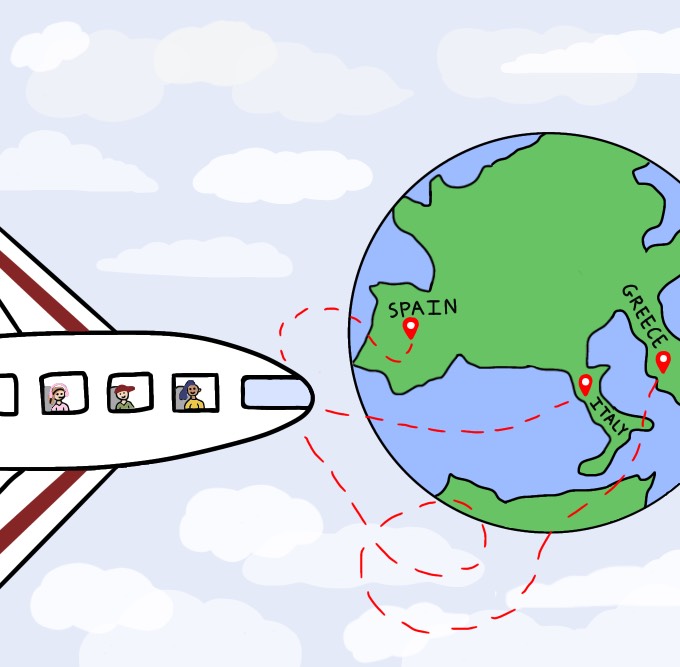


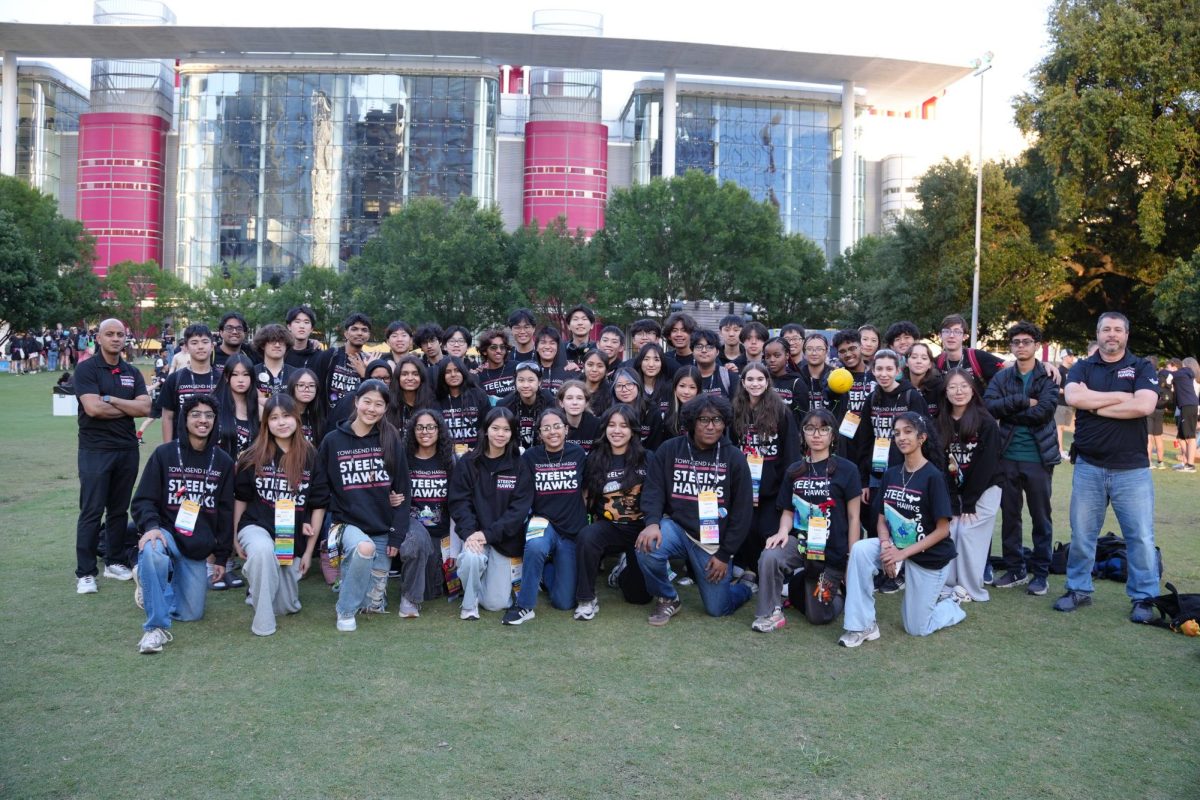


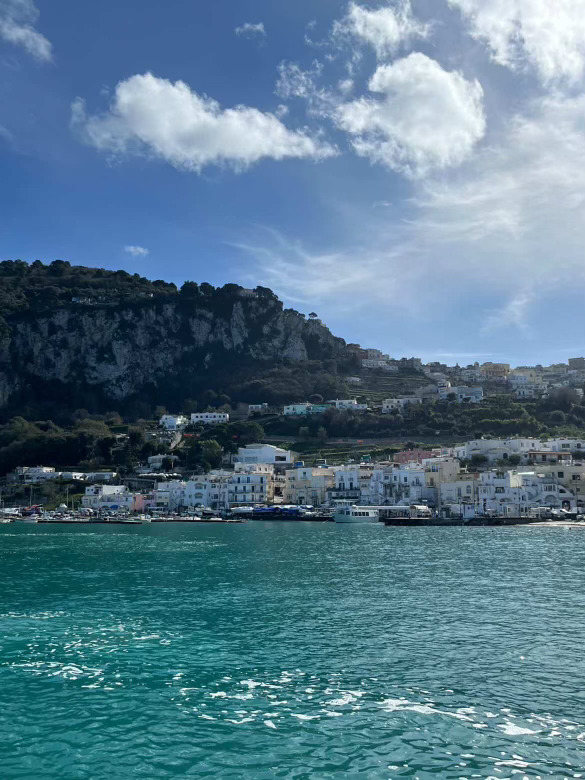
Prior to COVID-19, Townsend Harris had a tradition of offering students opportunities to join international trips. According to classical languages teacher Christopher Amanna, who organized this year’s trip to Italy and Greece, that tradition was on pause due to the pandemic . This past February break, multiple students participated in the trip to Europe, offering students a chance for an important educational experience. According to emails from Mr. Amanna, these trips will also continue next year with a trip to South Korea and another to Spain. The decision to both reintroduce and expand annual international trip opportunities is commendable, as such trips are beneficial for a host of reasons. THHS should continue to support this program.
For one, international trips give students the chance to learn beyond the classroom, providing experiences that textbooks and lectures alone cannot fully capture. Mr. Amanna said “there is something special about being able to physically touch, see, and even smell the places that you’ve only read about in a textbook. A lot of things students learn can seem so distant or abstract, but travel makes them closer and more concrete.”
For some students, these trips are also the first time they have been away from their home and their families. Being on these trips without their guardians fosters a higher level of independence and responsibility as students have to learn how to navigate around and take care of themselves.
Furthermore, it is crucial for students to be exposed to different languages and local traditions. While traveling students are immersed in different cultures. Students try different cuisines, learn varying cultural customs, and learn about the history of each location as they travel. Introducing students to different cultures can broaden their overall perspectives of the world since they will be exposed to things that are different from their normal routines of going to school and going home.
Unfortunately, the high cost of these trips may make it hard for them to be annual because they can be inaccessible to many families. The trip to Greece and Italy, for example, was around $4,000. While concerns such as cost and logistics are valid, these challenges can be addressed through fundraising efforts.
Students can fundraise similar to how seniors fundraised for senior dues. Using the double good fundraiser students can sell popcorn and keep half of the profits. This will not completely eliminate the costs of an international trip, but it can help lower the costs. If there are ways for the school administration, the PTA, and the Alumni Association to help teachers and students fundraise to offset costs, that would aid those who might not have a chance at such educational experiences.
While THHS offers students multiple trip options throughout the year, international trips are special and important. With the benefits in mind, THHS should continue the tradition of offering annual international trips and the school administration should support such efforts as much as possible.