
















There is an apparent lack of civic literacy in the US, seeing that one in three people are unable to identify the three branches of the US government. People are entering the voting population without an accurate understanding of our country’s political system. This decline is attributed to a lack of early civic education.
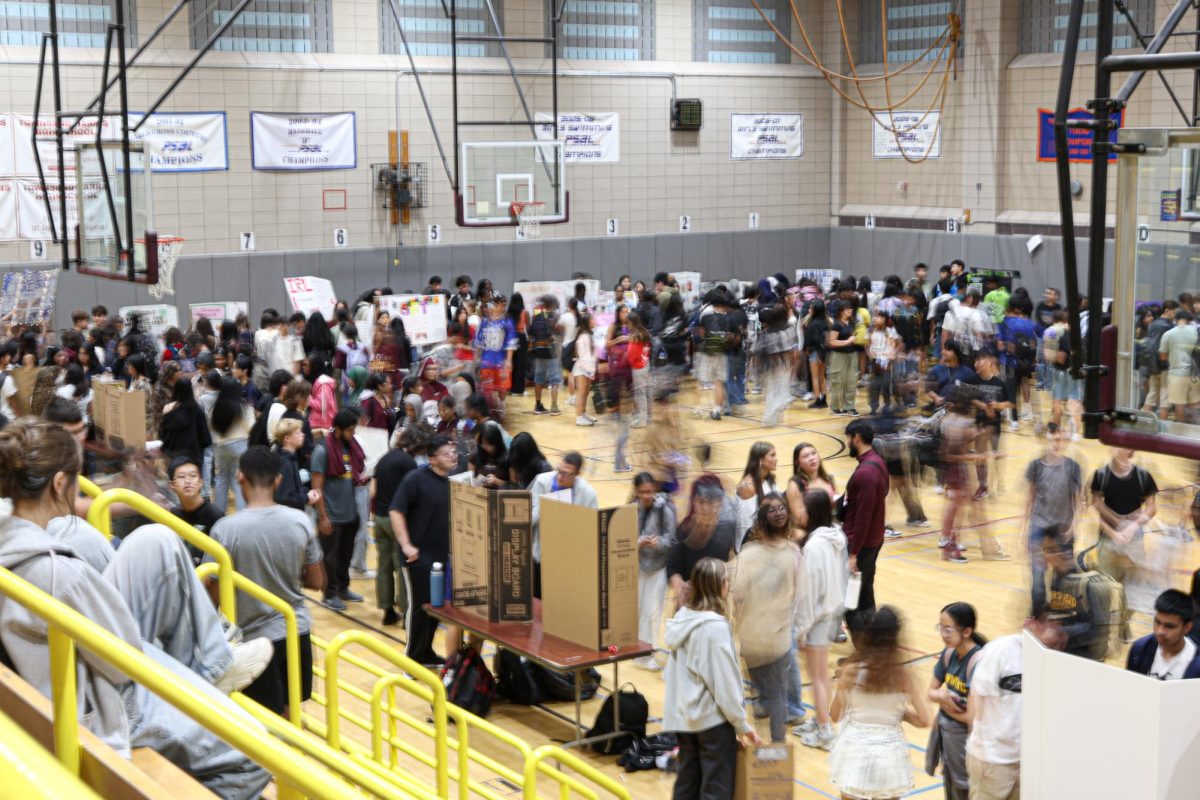
At THHS, students learn most about how our government works during junior and senior social studies courses. Although there is an annual election simulation at THHS that offers students an opportunity to participate in the democratic process, the simulation itself is not sufficient to educate students about the government and their civic responsibilities. The election simulation effectively introduces the fundamental processes of voting, and teaches students how to process each candidates’ campaign to make an informed vote, the simulation solely focuses on voting, leaving out other responsibilities of an active and educated citizen.
Moreover, early civic education can minimize the impact of misinformation. With the rapid spread of information in the social media age, civic literacy becomes even more crucial. Considering that fake news can spread 10 times faster than accurate news on social media, civic literacy is essential for students, so that they can learn to filter out false information. It equips students with critical thinking skills, understanding their rights, evaluating sources, and ensures basic knowledge of government.
An effective civic education program teaches students how the government works in its entirety and their role in politics in the future, something currently not present in THHS. Of course, it’s not easy to just add another course since students have little flexibility in their schedules. However, Writing Process courses that all freshmen take offer a possible solution.
We should slightly alter the Writing Process curriculum, so that it includes civic engagement and responsibilities. Writing Process would still cover the foundational skills of English but have an angle towards civics education. If certain assignments (like argumentative essays and research projects) had a civics focus, it could offer a way to include civics education without drastically changing student schedules.
Some may argue that younger high school students are too young to understand the complexities of government. However, students already engage with social issues to a certain extent in their day-to-day lives. A renewed civics education initiative will only increase this pre-existing participation. Students will have a blueprint to go from a foundational understanding of politics to be able to discuss their thoughts and to formulate more nuanced opinions.
In order to increase civic participation, we need a generation of informed, active people. Policymakers need to prioritize a shift in expanding civic education in high schools because it is essential to achieving and maintaining a healthier democracy. While waiting for that to happen, we can make changes here at THHS to offer a model of how it can be done.