










After a long winter, New York City residents finally saw signs of spring in March, with temperatures occasionally reaching 70°F. However, these conditions did not last long, with thunderstorms and heavy rainfall making an unexpected appearance only a few days later. Currently, New York City residents face extreme temperature changes once again, with highs rising above 80°F this week after a spring break filled with chilly, and at times, freezing temperatures.
Many students see these extreme shifts as part of the overall impacts of climate change and are working in various ways to raise awareness about what can be done to combat it.
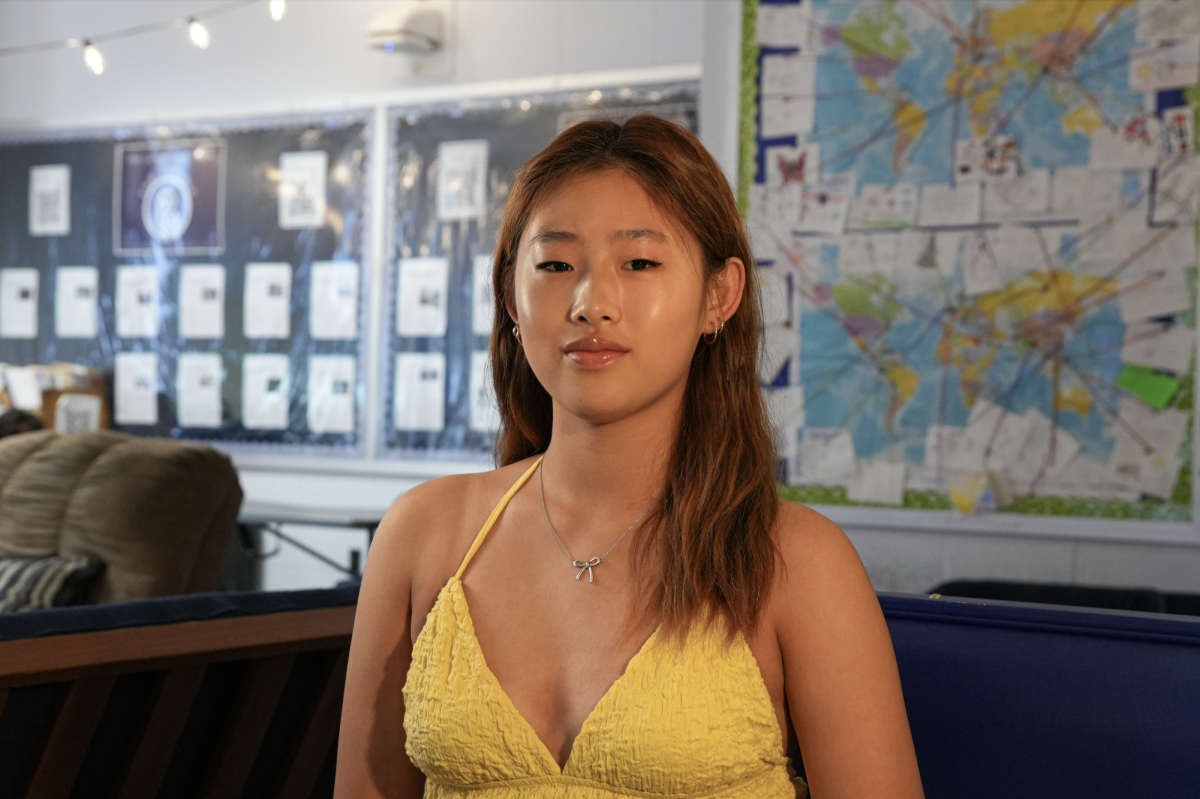
“Climate change is an insane issue that impacts everyone on an everyday level,” said junior Ashley Brachman. “The rainstorms have gotten more severe, for example, and they’ve actually caused flooding and caused damage to my home.”
Chuxiang Yi is a professor at Queens College who specializes in meteorology. In his research, he often uses satellites to track greenhouse gas emissions. He explained that immense amounts of carbon dioxide warms the planet and the air, causing the extreme weather patterns we see today.
“Hot air can hold more water molecules,” he said to The Classic. “If more water molecules condense into liquid water, the rain [that falls] in a short time would be equivalent [to that of] a few months…This is why global warming causes extreme weather [and] extreme flooding.”
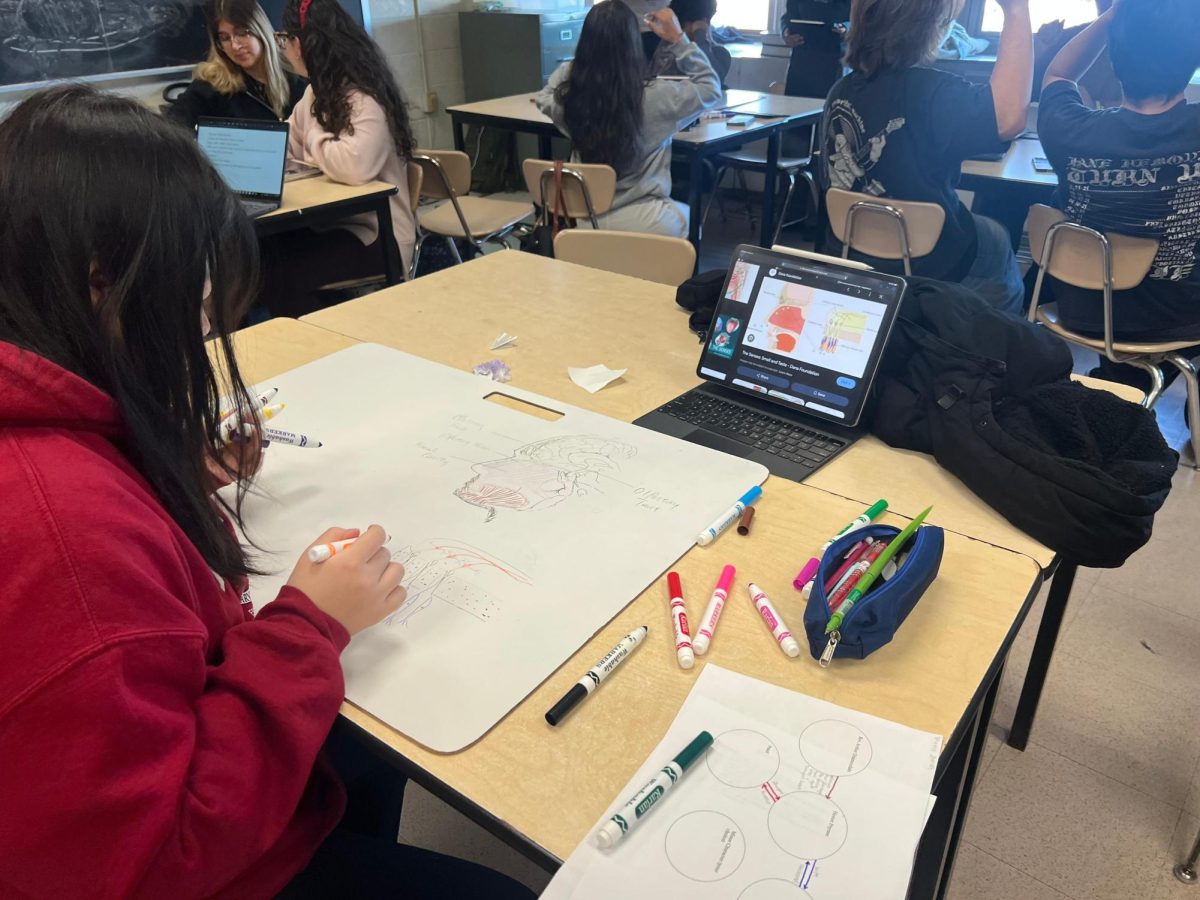
At Townsend Harris, teachers build climate awareness in their students by teaching them to be conscious of the effects their actions have on the planet.
“[During class] we’ve been talking about what has been changing as human activity has increased different types of gases,” said Shi Bing Shen, a science teacher at Townsend Harris. “We’ve also been talking about what is the greenhouse effect and what has been happening because of human influence.”
Junior Uma Tevlin, a student in Ms. Shen’s AP Environmental Science class said, “I think learning about the devastation of outdoor and indoor pollutants really showed me that in our modern world there is almost nothing you do that doesn’t have an environmental impact and shows the importance of being conscious of every choice you make.”
Incorporating similar lessons, science teacher Adel Kadamani said, “we get the kids involved in discussions about what makes the atmosphere worse or better, as in air quality. There’s pollution from cars, pollution from factories, and volcanic eruptions… all these things are factors that introduce unhealthy gases in the atmosphere.”
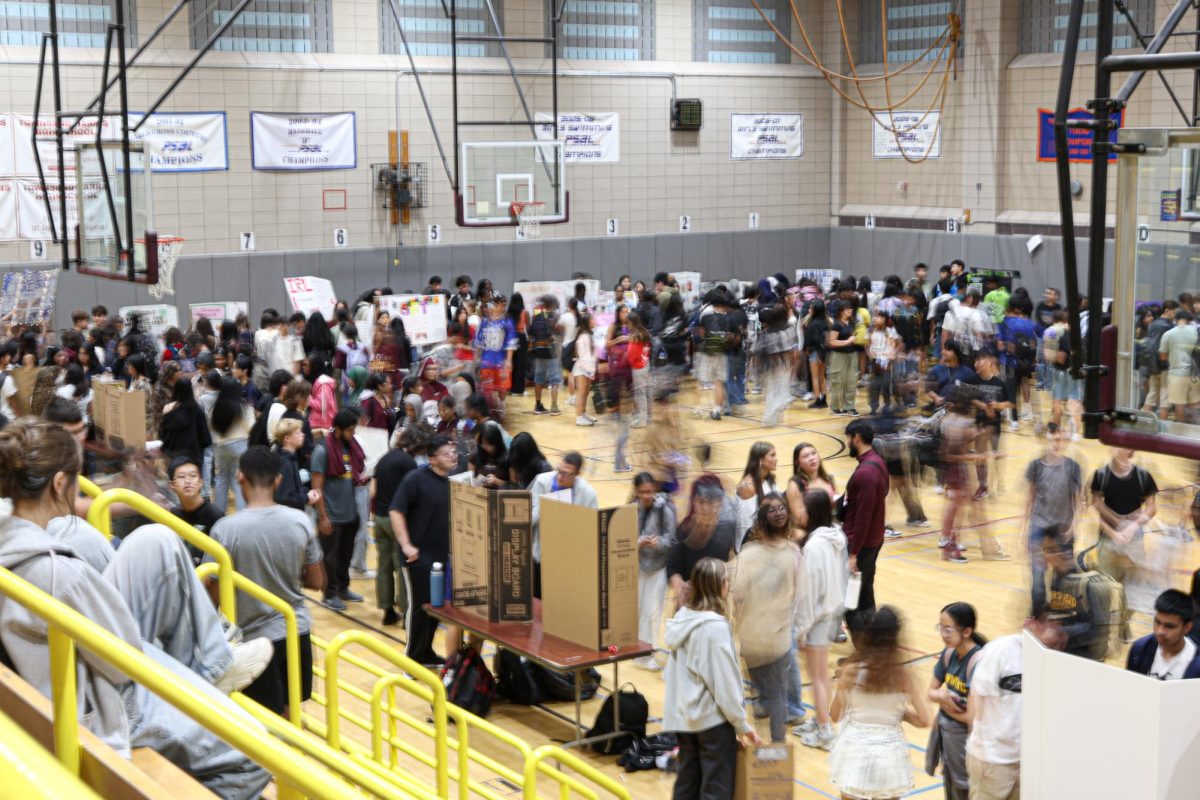
Various clubs have also dedicated themselves to push for more student participation through special events and volunteer opportunities.
One of these clubs is Townsend Harris’s Green Team which aims to promote sustainability, with the hopes of making Townsed Harris a more environmentally friendly institution.
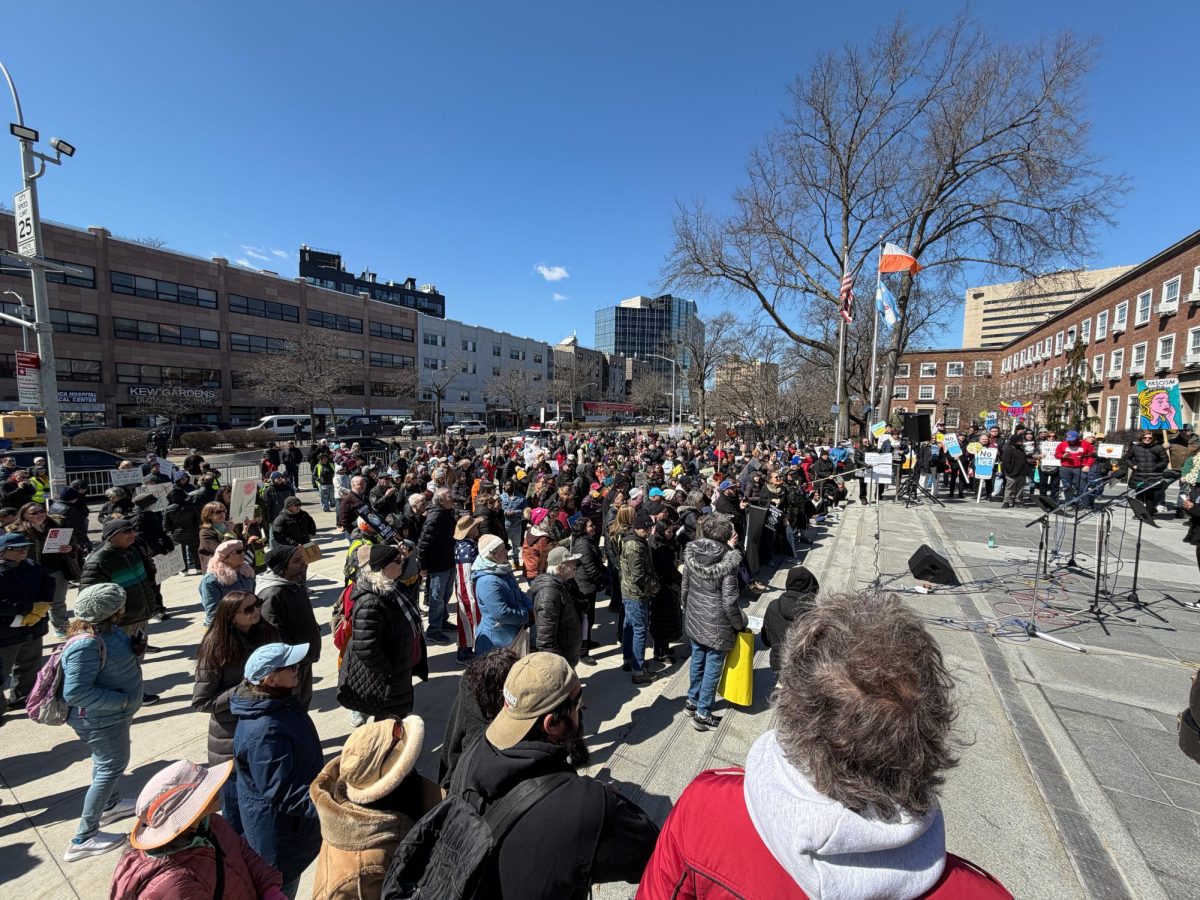
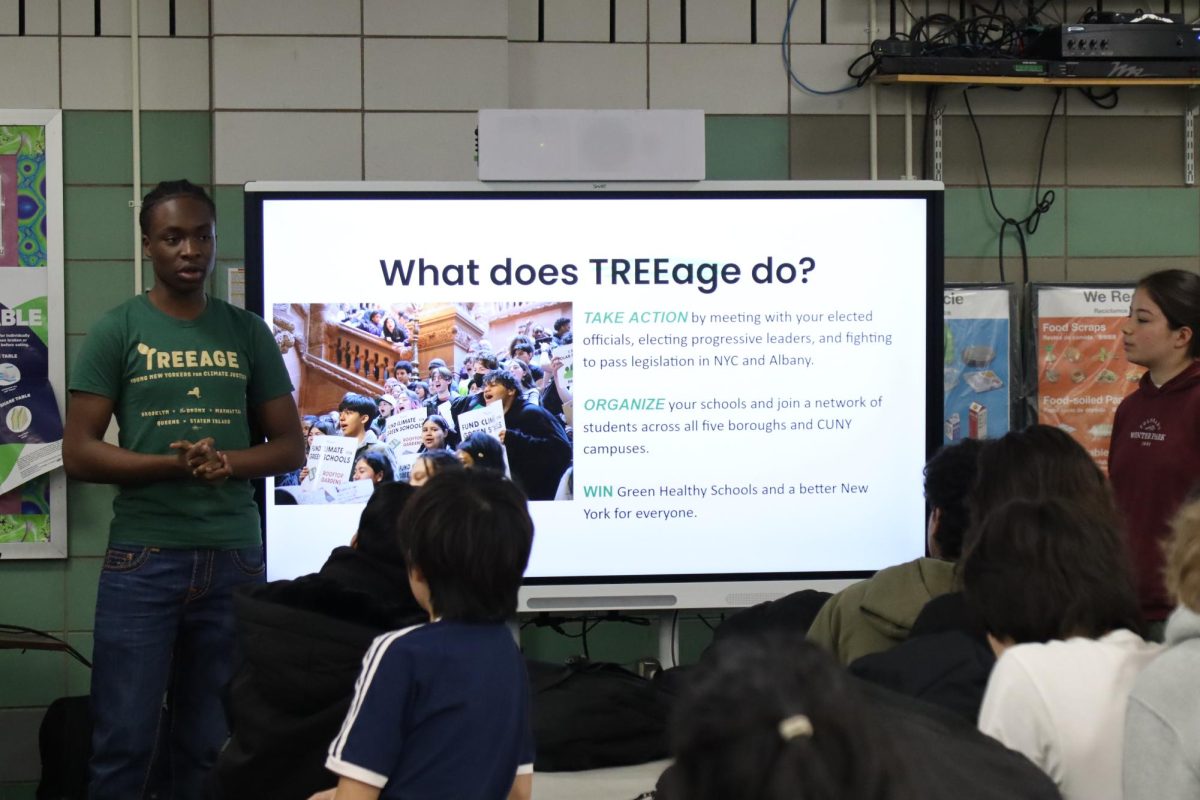
Recently, the Green Team has been encouraging members to get involved with environmental organizations such as TREEage, a youth-led climate justice organization. TREEage hosted their annual Albany Youth Day of Action on March 17, giving students the opportunity to interact with the state government and fight for certain protections.
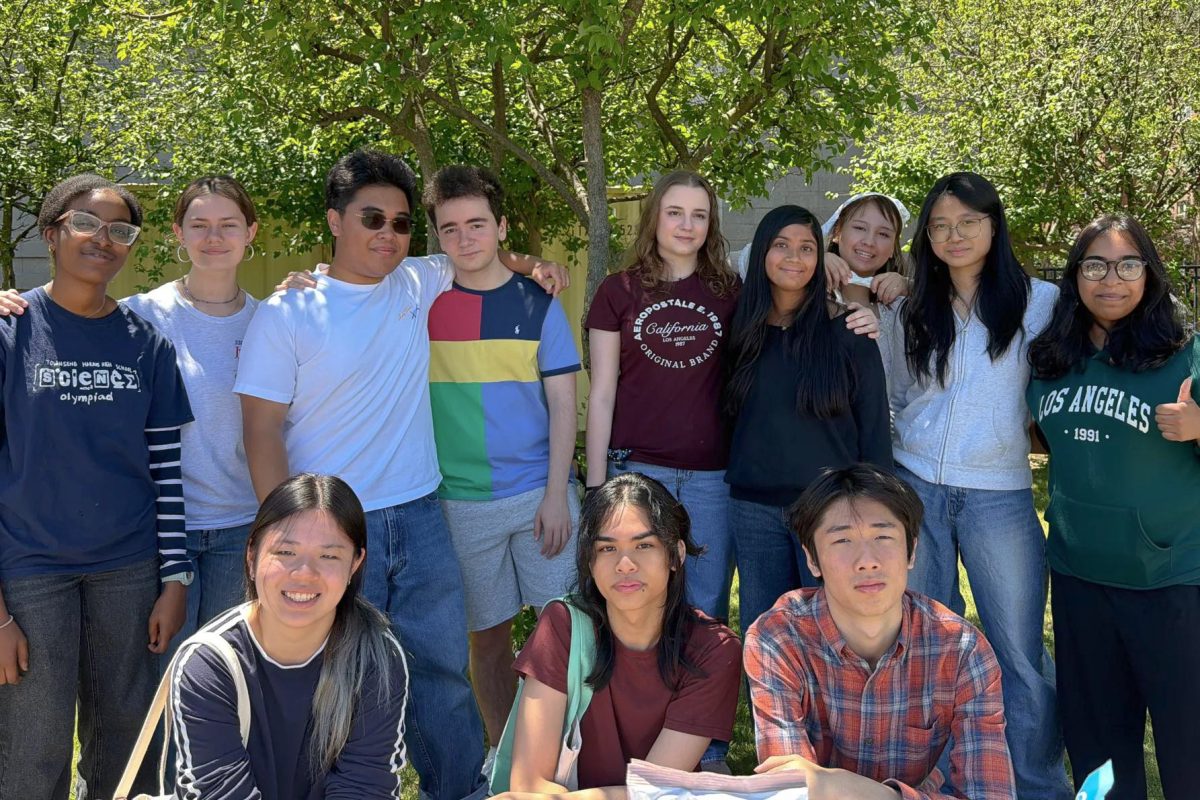
“It’s really important for us to be environmentally educated,” said junior Lillian Parrella, a co-president of the Green Team. She said she and other volunteers worked on environmentally-focused crafts and murals at the Albany event. To get more people involved in the climate movement, she suggested “[putting] up flyers and posters, [and encouraging] people with community service hours.”
Townsend Harris’s Key Club has also organized advocacy events in support of the environment.
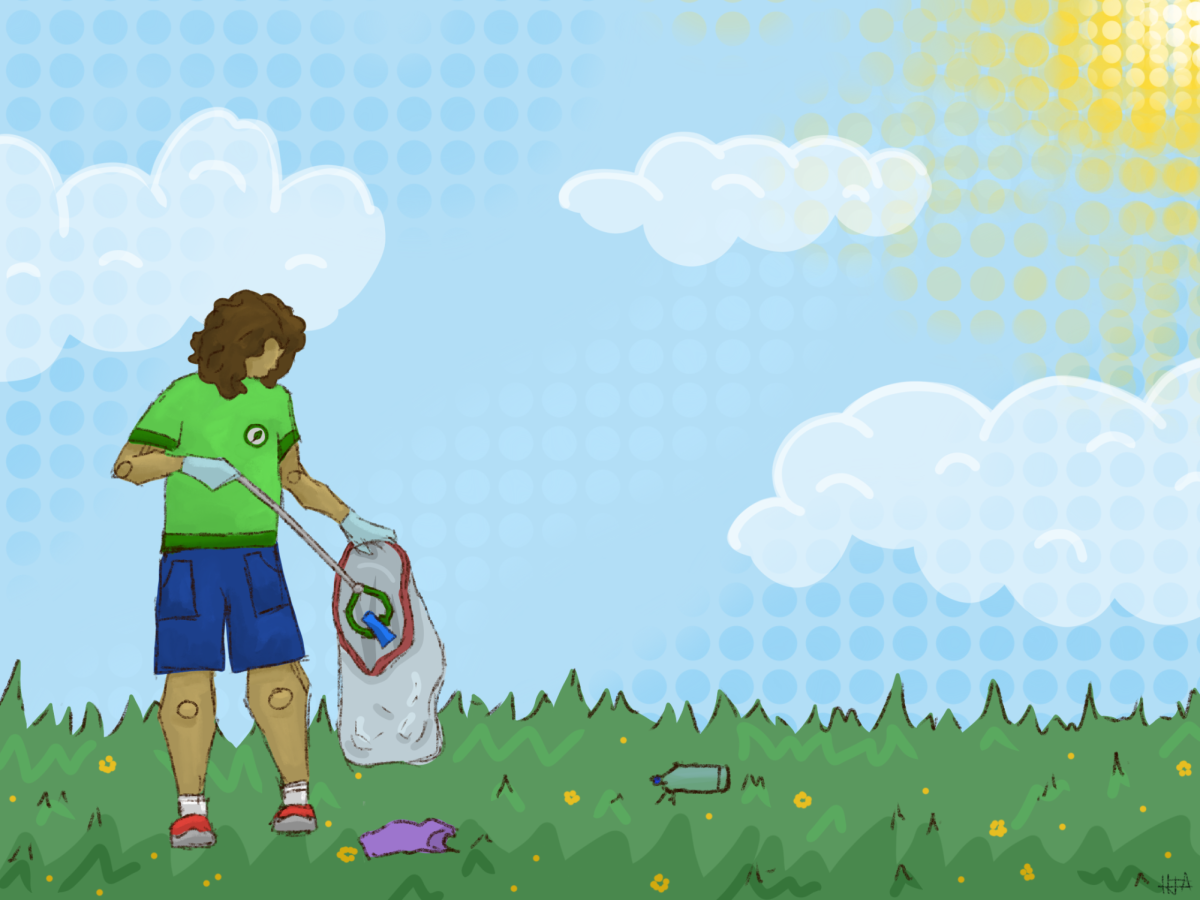
Senior Angela Lee, co-vice president of Key Club, said many environmental events had been held across the years. “In the past, we’ve had events like the Earth Day Festival (typically in April) where volunteers are able to explore and learn about climate change and what they can do to help out. There’s also been a few events where we volunteer to help clean up the streets or parks or help sort donated clothes that’d otherwise end up in landfills. We’ll definitely continue looking for and volunteering at events like this,”she said.
“I asked the students in class to have their own personal take on it,” said Ms. Shen. “What can you do to lessen your own ecological footprint [and] help the planet stay viable for us longer?”