![Incoming Student Union President junior Aki Bejamin and other SU candidates sitting on stage while waiting to give their speeches during the May 18 SU Debate. Aki said he plans to “burn [the SU] all down and start anew.”](https://thhsclassic.com/wp-content/uploads/2026/06/IMG_9600-e1782439128607-1200x1131.jpg)
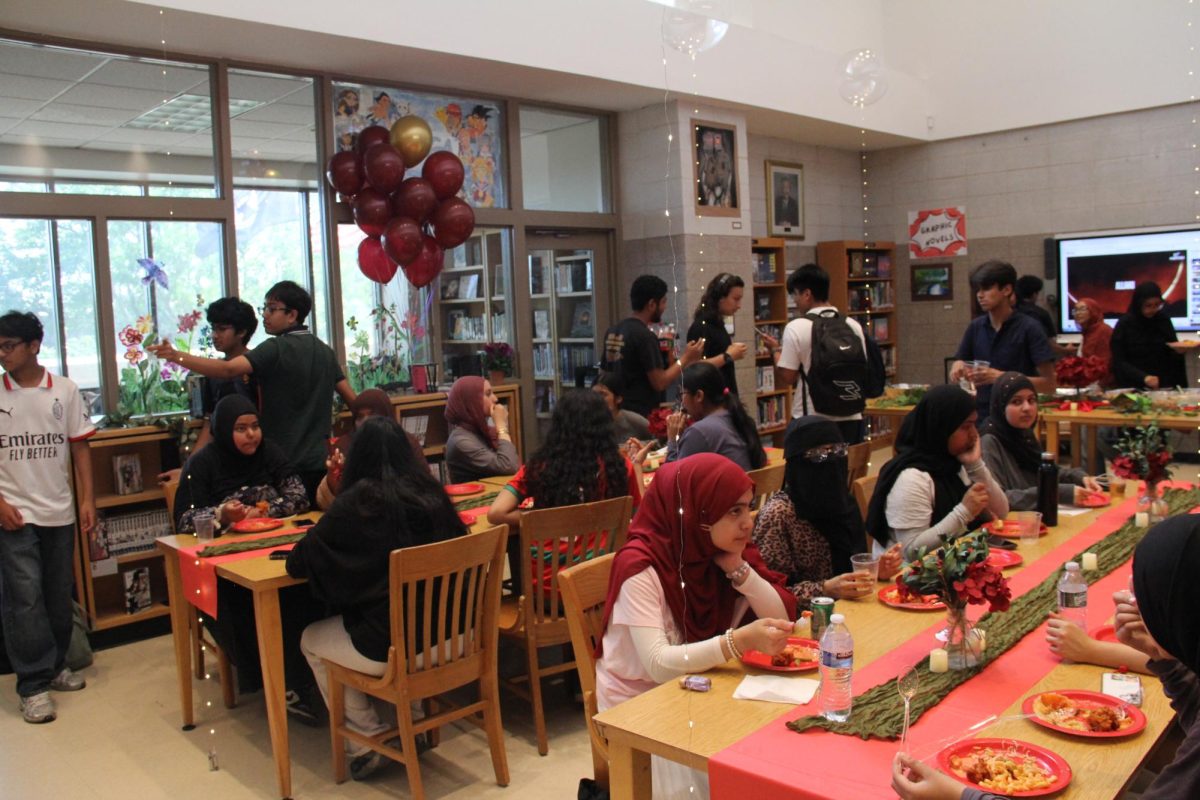


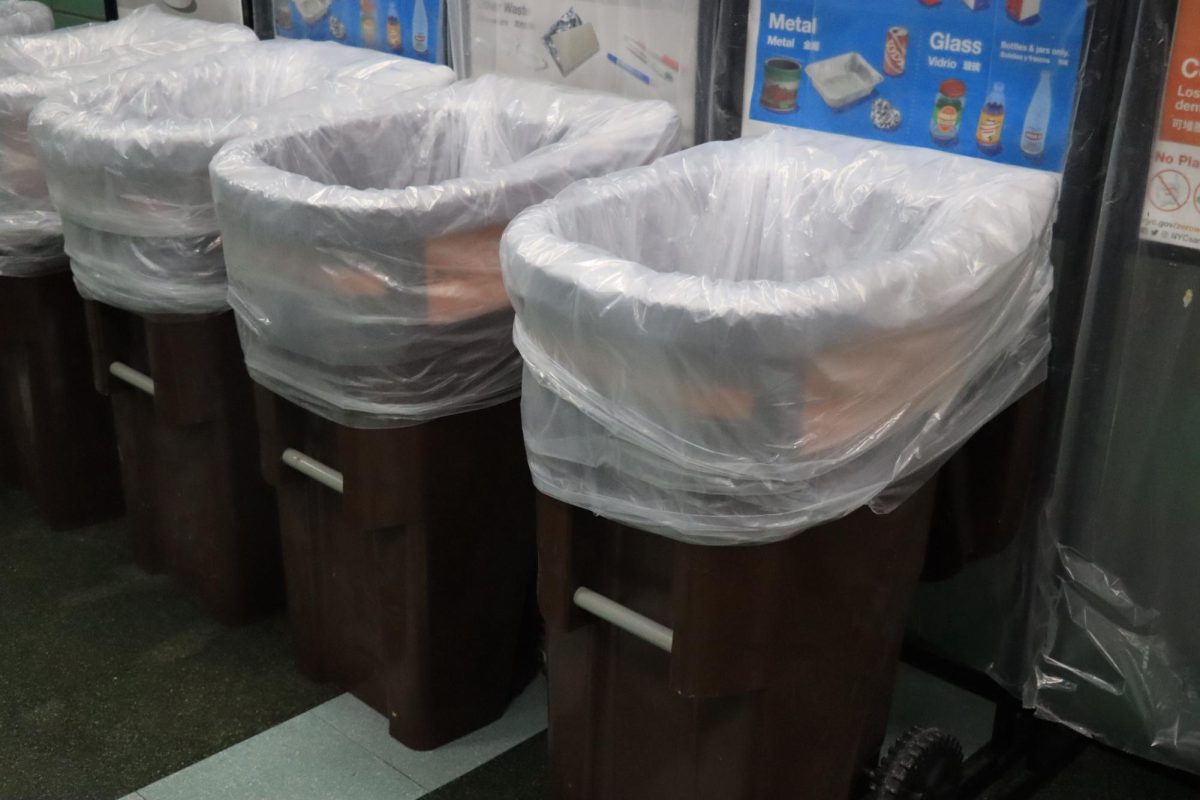
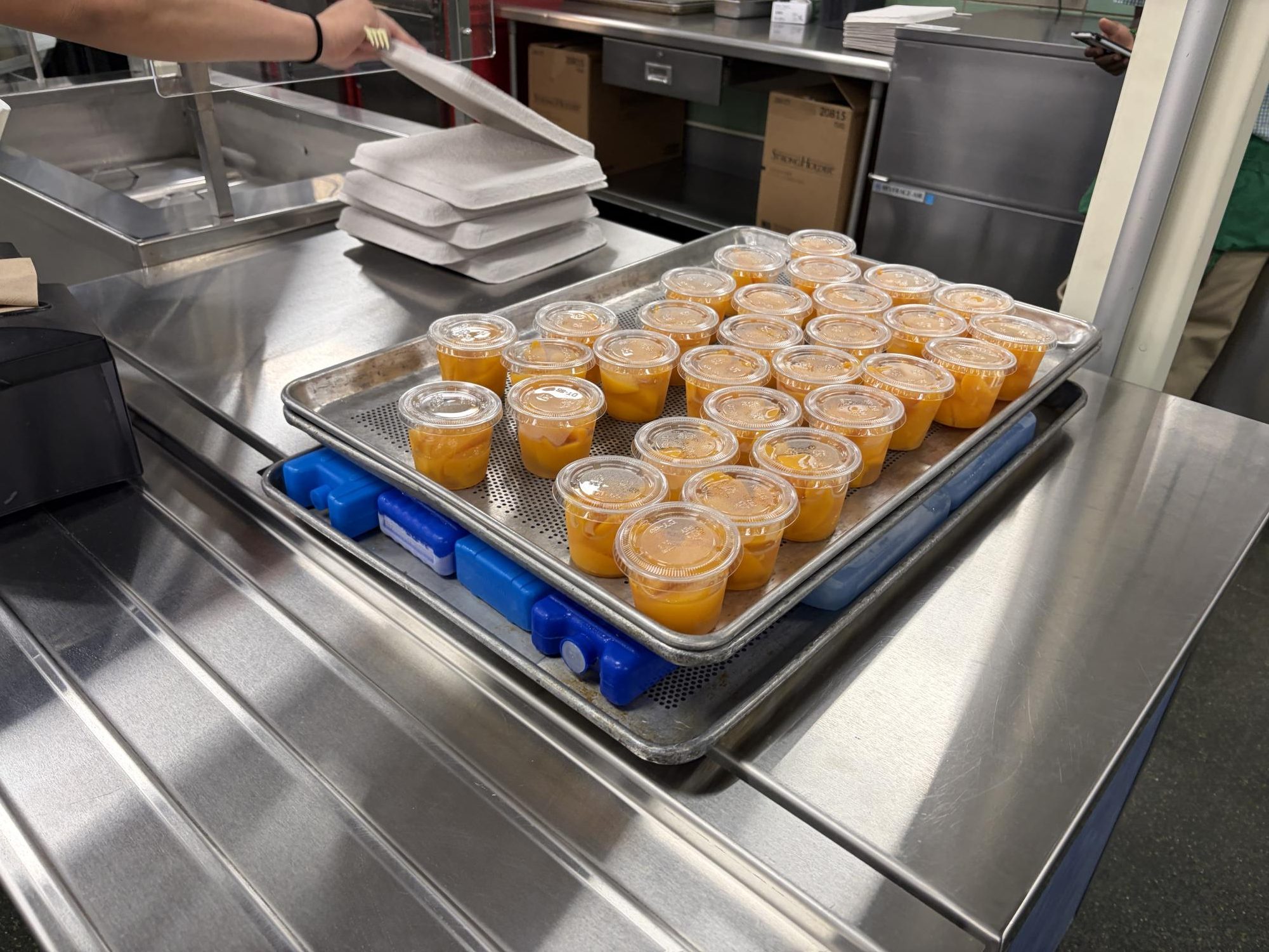
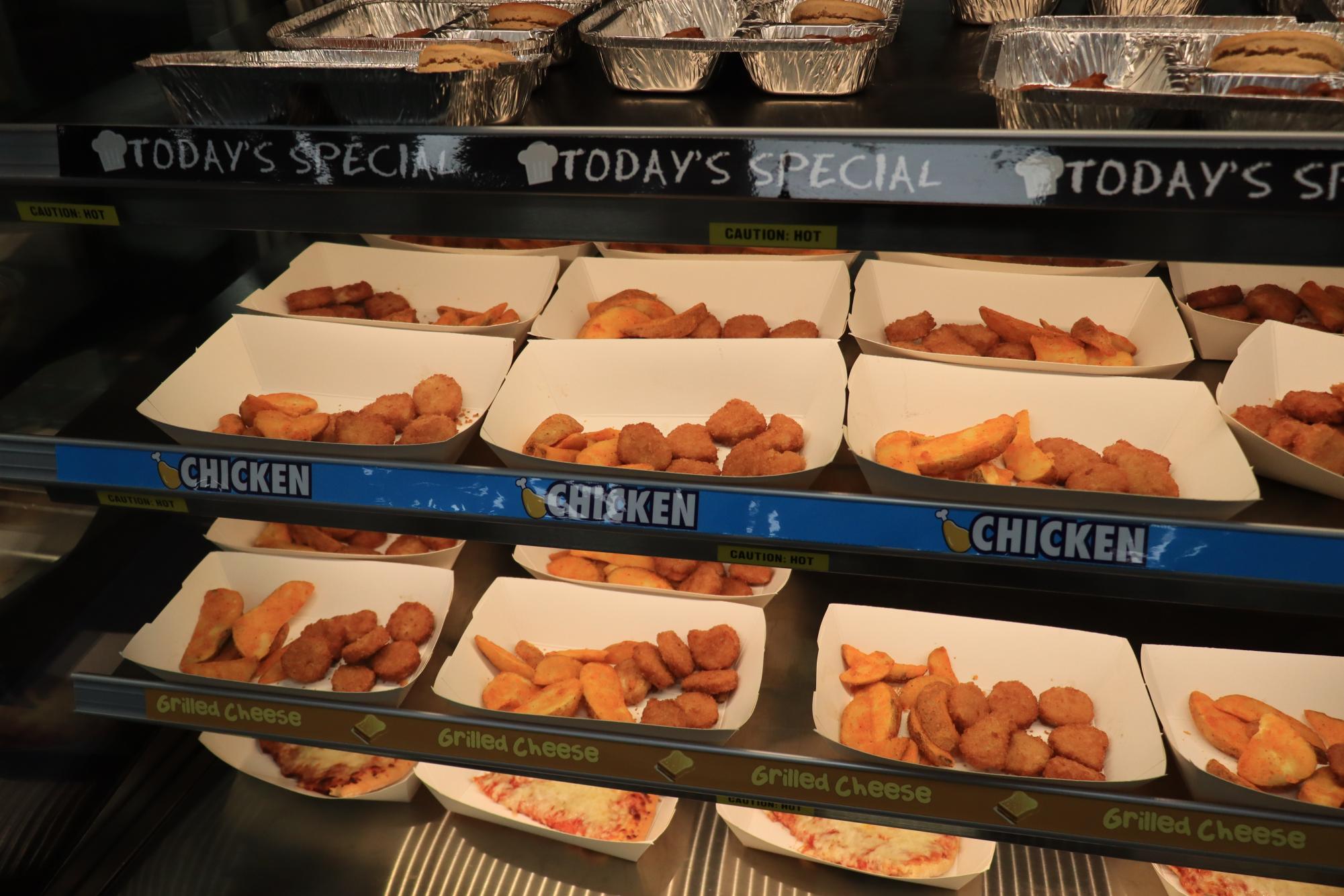
With the new system for getting food in the Townsend Harris cafeteria, students grab a compostable tray and pick from pre-plated food options on cardboard boats, a shift from the old system where lunch aides helped provide students with food individually. Many of the prepackaged options, such as a salad or snack box are served in plastic containers, which were not used in the previous cafeteria design. Although the new design aims to increase efficiency and cut down on wait times, the increase of plastic in pre-plated food options has raised concerns among students about the environmental impact of the new system.

Regarding the increase in packaging, both the lunch aids and custodians agree that there is a notable increase in plastic waste. “Too much plastic. It’s a waste,” one lunch aide said. “The garbage is always full of all those plastic containers. [It’s a] waste of money.”
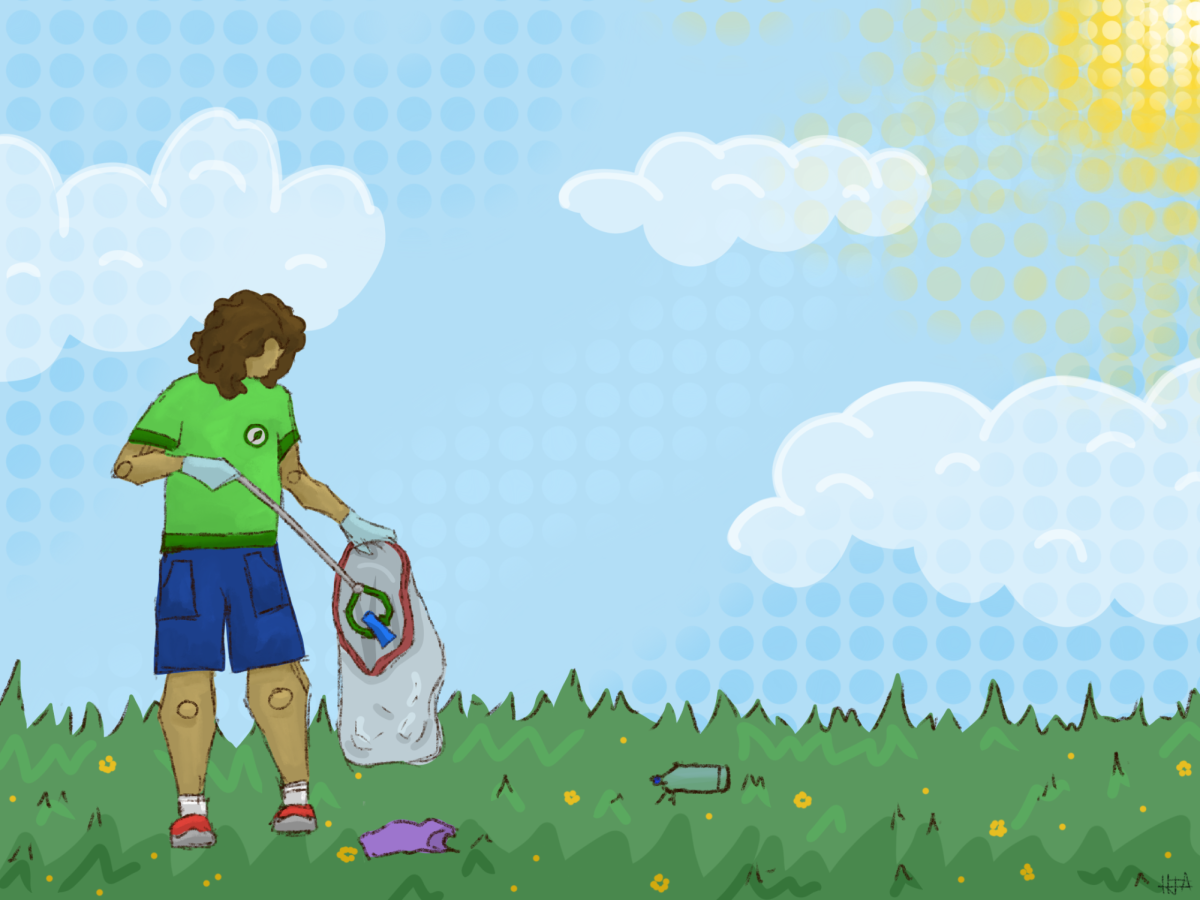
Students also noticed an increase in plastic waste due to the new packaging system. Green Team president and junior Lillian Parella said, ”I feel like the buffet has added to the plastic consumption that we’ve had, and it’s not good.”
Similarly, sophomore Xianya Zhang said, “I think the new cafeteria is hurting the Earth because all this plastic is going to landfills, and the ocean. [All] the animals [in] the ocean, getting trapped in this plastic is actually really sad,” she said.
Freshman Iyanuoluwa Adedokun echoed this sentiment. She said, “The increase in container waste pollutes a lot of natural resources that [humans] and animals need, which prevents proper environment suitability for most people. With water being filled with plastic and landfills taking a lot of space, increasing container waste doesn’t help at all.”
The New York City Department of Education is making strides to combat the issue of plastic waste with their “focus on reducing one kind of single-use plastic packaging, such as straws or condiment packets… [by dispensing from squeeze bottles or spoons/ladles].” They also are leading a “‘take only what you need’ campaign – dispense utensils, napkins, and other single-use items by request only instead of automatically serving with each meal.”
Keith Wiggins, one of the lunch aides, said he agrees with the intentions of the policy, but has not seen a significant change under the new system. “Whatever you want to eat, that’s what you [should] take,” he said. He believes that as students take less food, they will also throw out less containers.
As another effort to combat environmental pollution, the NYC DOE got rid of all styrofoam trays in public schools in 2015. All styrofoam trays were converted to compostable plates and molded-fiber or sugarcane based trays.
Nonetheless, students are calling for more actions to combat the amount of plastic waste beyond just changing the type of trays. Iyanuoluwa said, “A more sustainable environment is so easy to create by just using paper containers instead of plastic. There’s obviously no way to avoid plastic completely but the hot food already comes in paper boats, so I don’t really see why the salads and sandwiches can’t either.”
Xianya said, “I know there’s eco-friendly packaging out there because I know a lot of companies use it, and maybe it’s more expensive, but shouldn’t we at least try?”
Custodian Hector Benítez also emphasized the importance of searching for ways to fix these problems. He said, “[by] investigating how things are, … [with the help of] others that participate in putting everything else in perspective, we could more or less figure out what we can do to make things better.”