
![Incoming Student Union President junior Aki Bejamin and other SU candidates sitting on stage while waiting to give their speeches during the May 18 SU Debate. Aki said he plans to “burn [the SU] all down and start anew.”](https://thhsclassic.com/wp-content/uploads/2026/06/IMG_9600-e1782439128607-1200x1131.jpg)




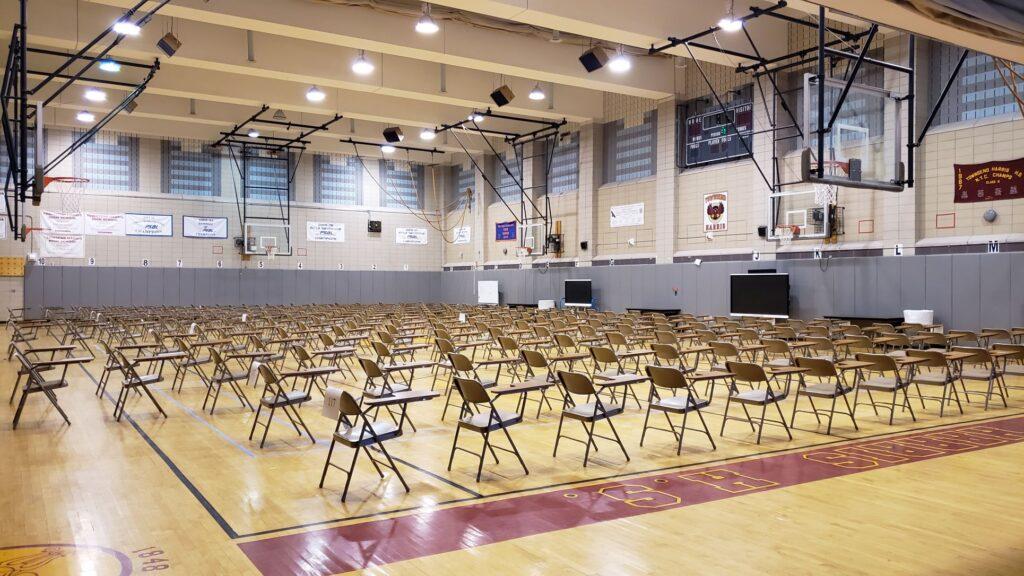








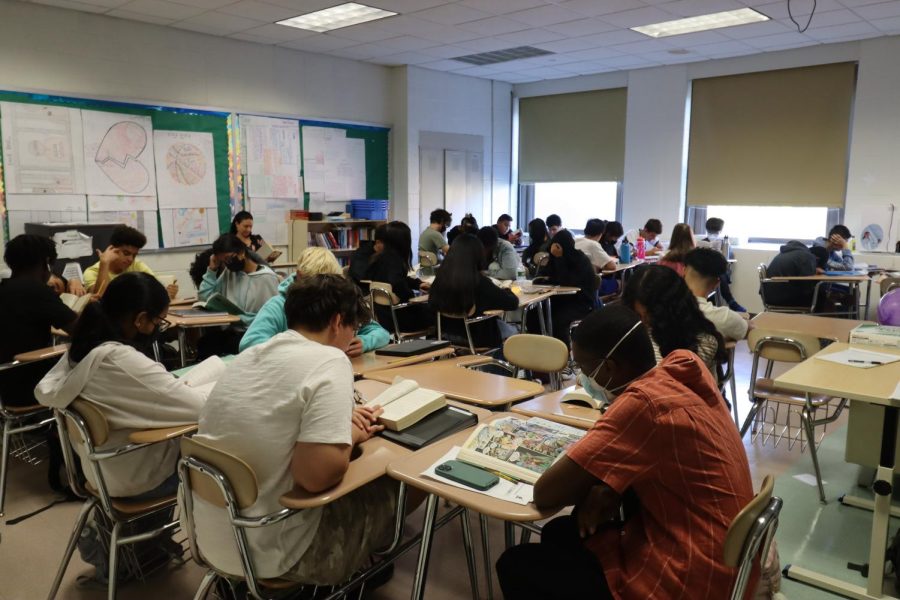

At the end of June, all students received summer reading assignments based on their anticipated fall English classes. In past years, these assignments required students to read a book during the summer vacation and write a response that was due some time in September. This year, due to concerns about artificial intelligence, the English department removed the at-home writing portion of the assignment and will require all students to complete an in-school, handwritten response during class instead.
The shift to in-class assignments comes amidst a wider push across education to deal with the increasing impact of artificial intelligence programs on student writing. While some educators see promise in integrating AI tools into teaching, others are concerned by rampant uncited use of AI in lieu of students actually completing the assignment. According to the summer reading assignment given to all students, the handwritten assignment “will serve to check [students’] familiarity with the text, demonstrate [their] writing skills, and ask [them] to analyze the larger themes of the text.
“We as a department discussed this and thought that an in-class assignment will work much better as a diagnostic assignment,” said English teacher Brian Sweeney. “Beyond giving students something to read over the summer, the point of summer reading is to get to know new students as writers and thinkers. We’ve noticed too much use of artificial intelligence in the past and think in-class writing will allow for a more authentic representation of student thinking.”
In a statement shared with The Classic, Principal Brian Condon said, “At Townsend Harris, the teaching of effective writing skills is at the center of everything we do. We will continue to assess and teach student writing through multiple different methods. It is important for students to learn to write things on demand in certain contexts, and it is also important for students to write things at home with more time and space to develop their thinking. This summer reading assignment will allow our teachers to more effectively assess the raw writing and reading abilities of their new students, and I support the decision by our teachers to have an in-class assignment in September. Having said that, it is an ongoing mission for all educators to learn how best to incorporate new technology into our teaching methods. There will be ways that we can and should teach students to make use of artificial intelligence with honesty, integrity, and sincere purpose. We will be exploring methods for doing so in the coming months.”
Numerous incoming freshmen were at Townsend Harris this week for the beginning of summer enrichment programs, and a number of them shared their thoughts on the new summer reading policy.
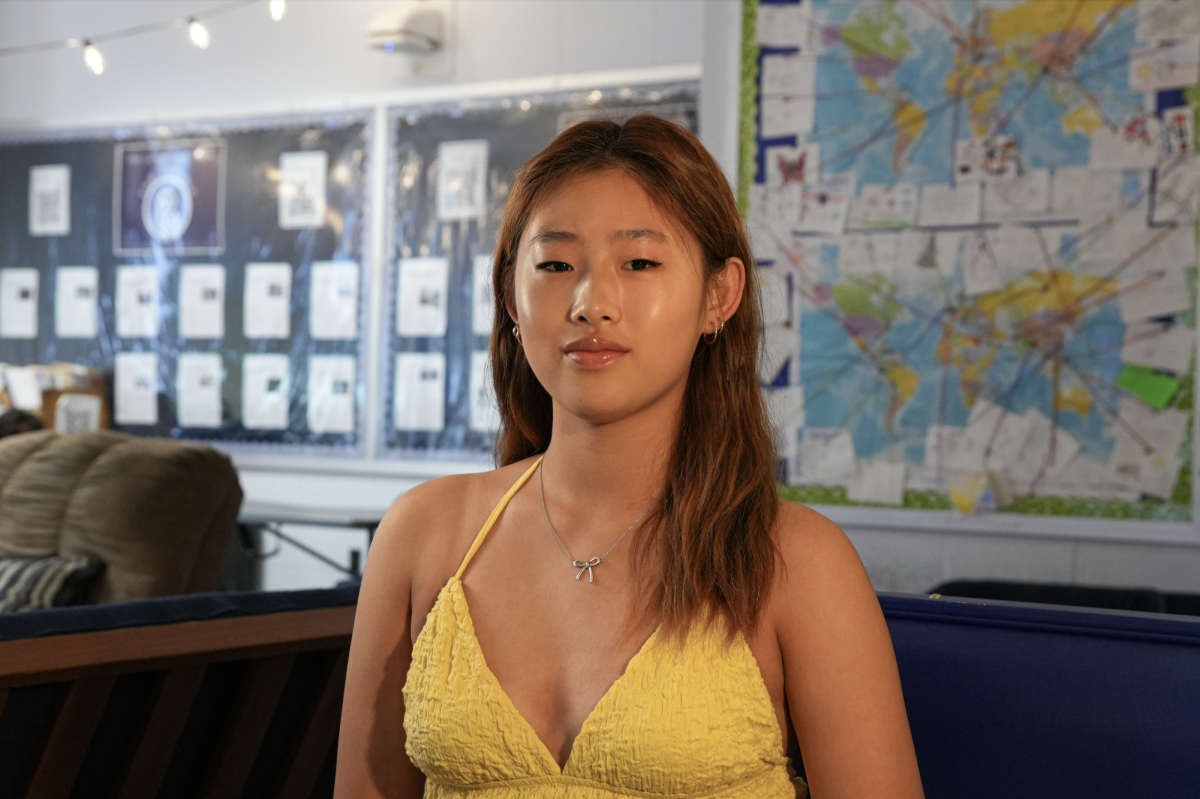
“I think having this assignment as a pre-assessment is good for teachers to help you with what you need to work on and the assignment gives you an idea of the kind of work you may receive while attending this school,” said Zahra Batool.
Some students said that they would prefer the at-home assignment that was given in previous years.
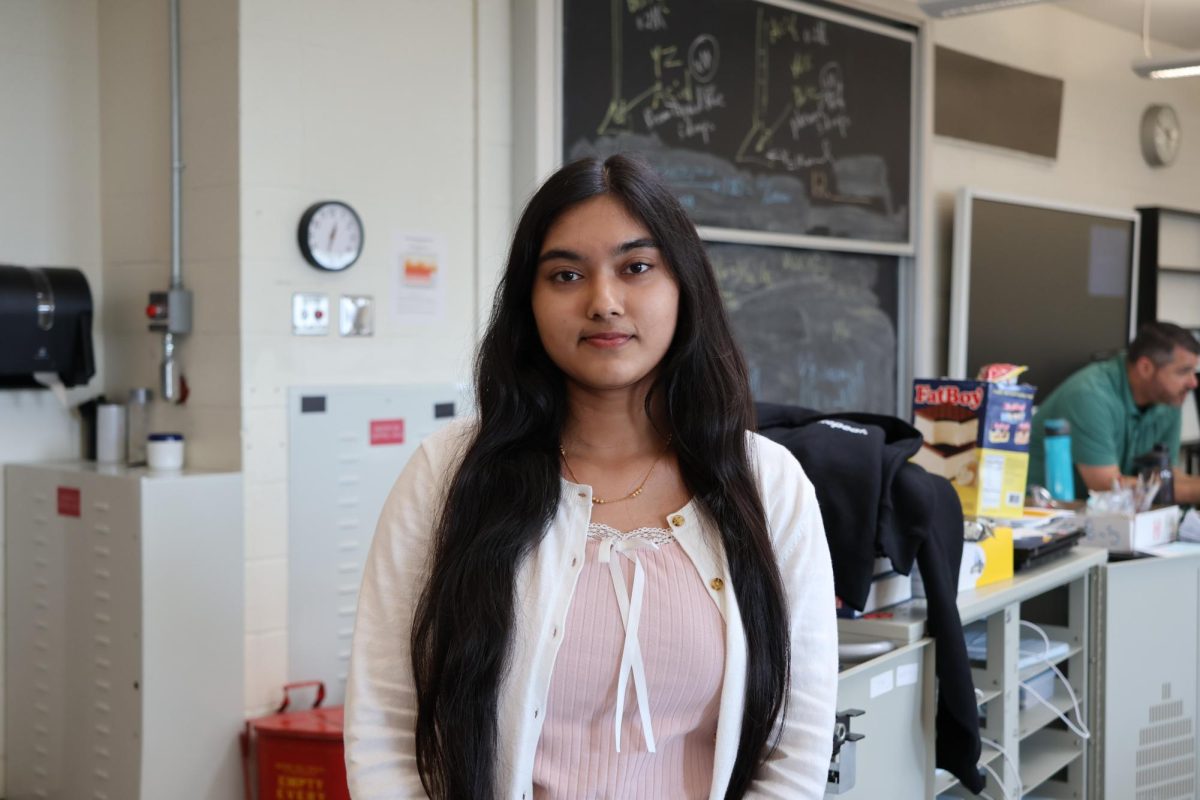
“I prefer for the assignment to be done at home due to time management,” said Maya Ali. “This brings a problem to people who struggle with writing at a faster pace.”
“I think it’s unfair that we are being held accountable for other students’ misusing AI,” said Walija Hashmi.
“I feel like [students] shouldn’t misuse [AI] for everything,” Zahra said. “But they should use it smartly. Using it to understand rather than making [your] answer is helpful.”
Maria Calle said, “I think that typing it in class would be easier and would take less time than having it handwritten.”
The use of technology in classrooms appears to be a defining part of the coming school year. While some educators are looking to curtail (or expand) use of artificial intelligence in classrooms, New York State as a whole is also banning cell phones in every single public school.
“I do not want to only use handwritten assignments for this summer reading task,” said Mr. Sweeney. “I think a number of teachers this year will be exploring how to better assess students using more traditional methods throughout the school year.”
This article has been updated to include a statement from Principal Brian Condon.

