
![Incoming Student Union President junior Aki Bejamin and other SU candidates sitting on stage while waiting to give their speeches during the May 18 SU Debate. Aki said he plans to “burn [the SU] all down and start anew.”](https://thhsclassic.com/wp-content/uploads/2026/06/IMG_9600-e1782439128607-1200x1131.jpg)











Recently, the MTA has introduced a redesign to the bus network in Queens that has impacted student commutes.
According to the MTA’s official website, the Queens Bus Redesign was part of a “larger effort to modernize New York City’s bus network and improve bus service borough by borough.” The redesign rolled out across two phases, with phase one taking place at the end of June, and phase two at the end of August, just days before the start of the new school year. During each phase, new bus routes were introduced such as the Q14, Q98, and Q74 Limited, while old routes like the Q15A, Q20A, Q20B, Q10 and Q34 were discontinued.
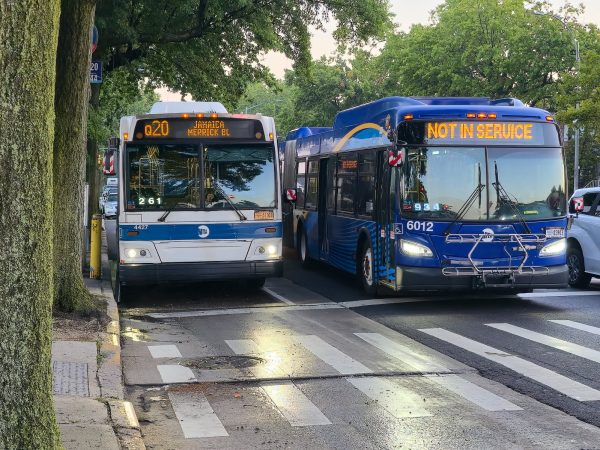
The new route system now encompasses 124 total routes, an increase from the previous 113 routes, with 94 being local routes and 30 express routes. In addition, a new type of bus service was added called Rush. These types of routes allow a high volume of passengers to quickly commute in one direction during rush hours, without stopping along the way. This is similar to the way express trains run, and offer a much faster trip to major transit hubs.
According to the MTA, the changes should result in shorter travel time, increased bus frequencies, and provide reliable service to meet daily commuter needs. Buses remain the primary means of public transit with over 1.1 million daily riders in early 2025 according to the MTA.
Numerous students that spoke to The Classic said the routes are more reliable and efficient than they were in the past.
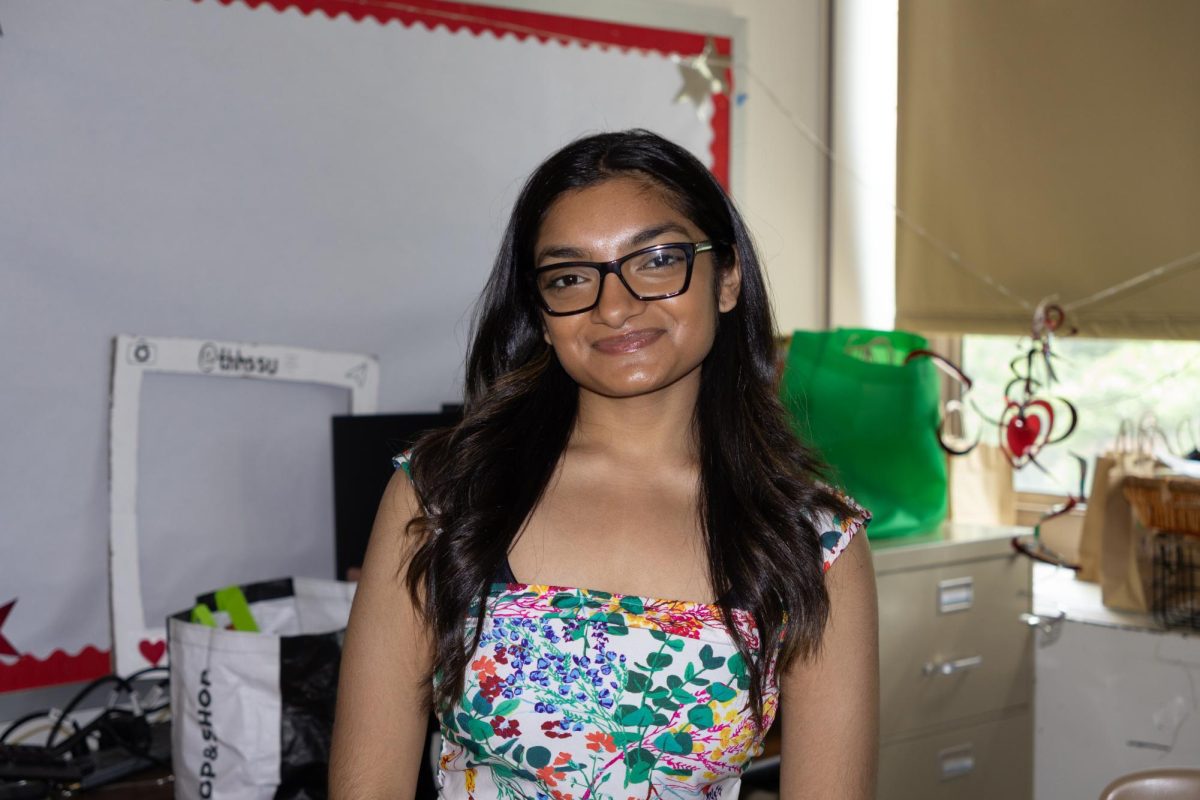
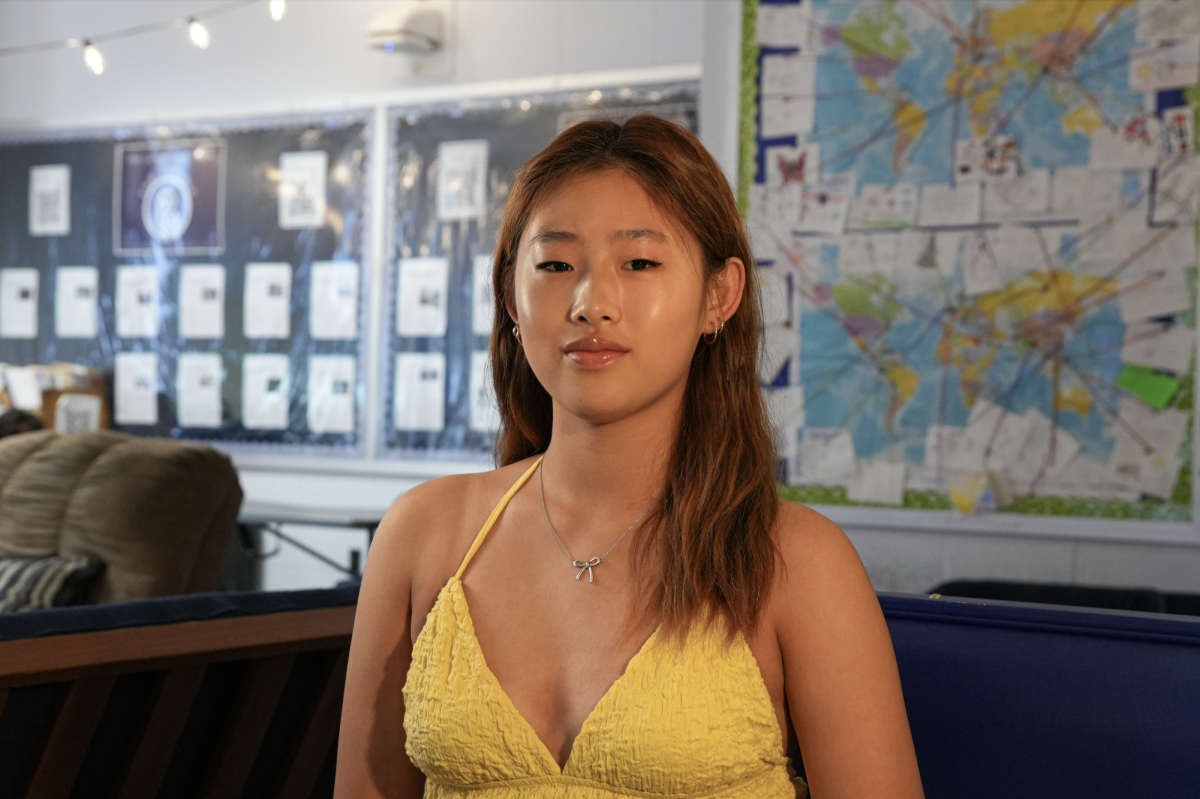
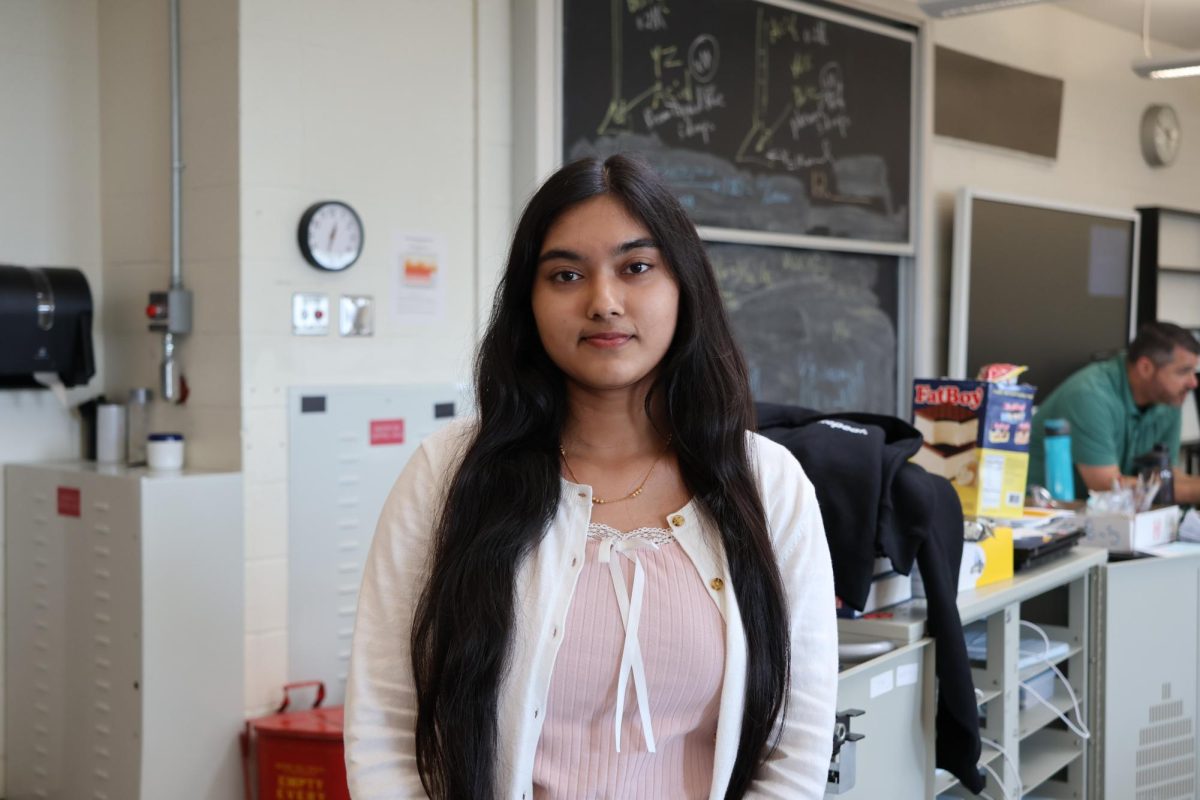
Sophomore Rafid Kamal said, “the Queens Bus Redesign has allowed me to travel easier from home to school by implementing new, faster routes that reduce traffic.” He also said he remembered how the original routes would often get stuck in traffic. Rafid said he believes that the new changes have alleviated many of these major congestion issues.
Sophomore Oliver Ramus said the new bus redesign has been helpful for him overall: “It has made certain bus times on routes like the Q64 quicker. It has helped me get to school quicker.”
However, some students said there were some downsides to the network redesign, such as senior Jazlyn Febles. She said that although removing stops on bus lines had helped to greatly speed up the travel time to and from school, increased bus speeds could come with the cost of having your own stop removed and having to walk a bit further.
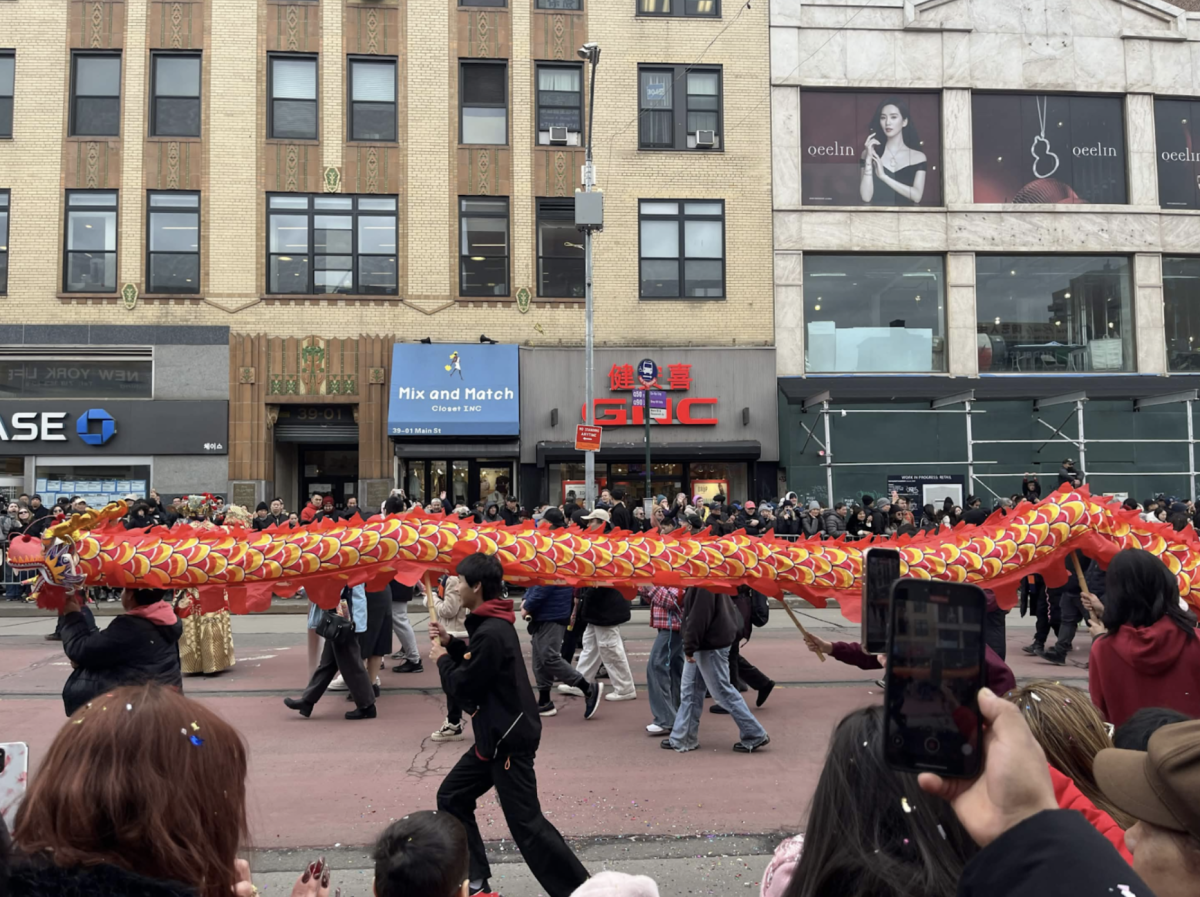
Junior Taha Alam also said that the new network presented a huge change and said she had experienced increased congestion on Main Street in Flushing: “in the afternoon, there’s more congestion around the Flushing area now when I go [to] school.”
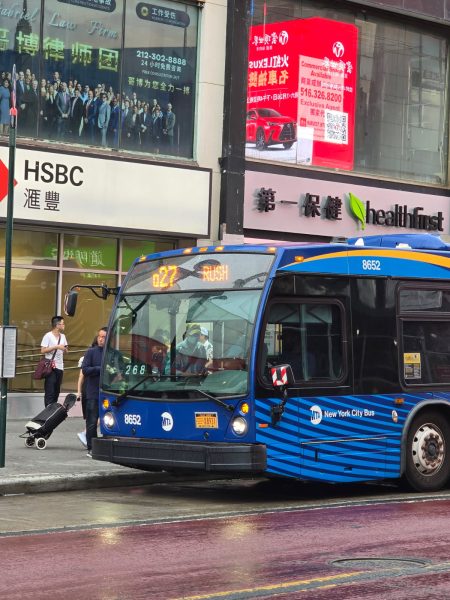
Freshman Mirsab Forhad said that the new bus network was a bit confusing for him, as he was used to the original routes. He said he found it difficult to keep track of all of these changes, with Queens being the borough with the largest bus network in the city.
Dean Ian Morzan said that it was too early to say whether or not the redesign was “affecting our students’ punctuality.”
However, he said that a new student card system will soon be implemented as part of a new attendance procedure that will require students to scan their IDs to enter the building. “This will give us much more sufficient and exact data, which will play a crucial role in keeping track of lateness,” he said.

