![Incoming Student Union President junior Aki Bejamin and other SU candidates sitting on stage while waiting to give their speeches during the May 18 SU Debate. Aki said he plans to “burn [the SU] all down and start anew.”](https://thhsclassic.com/wp-content/uploads/2026/06/IMG_9600-e1782439128607-1200x1131.jpg)
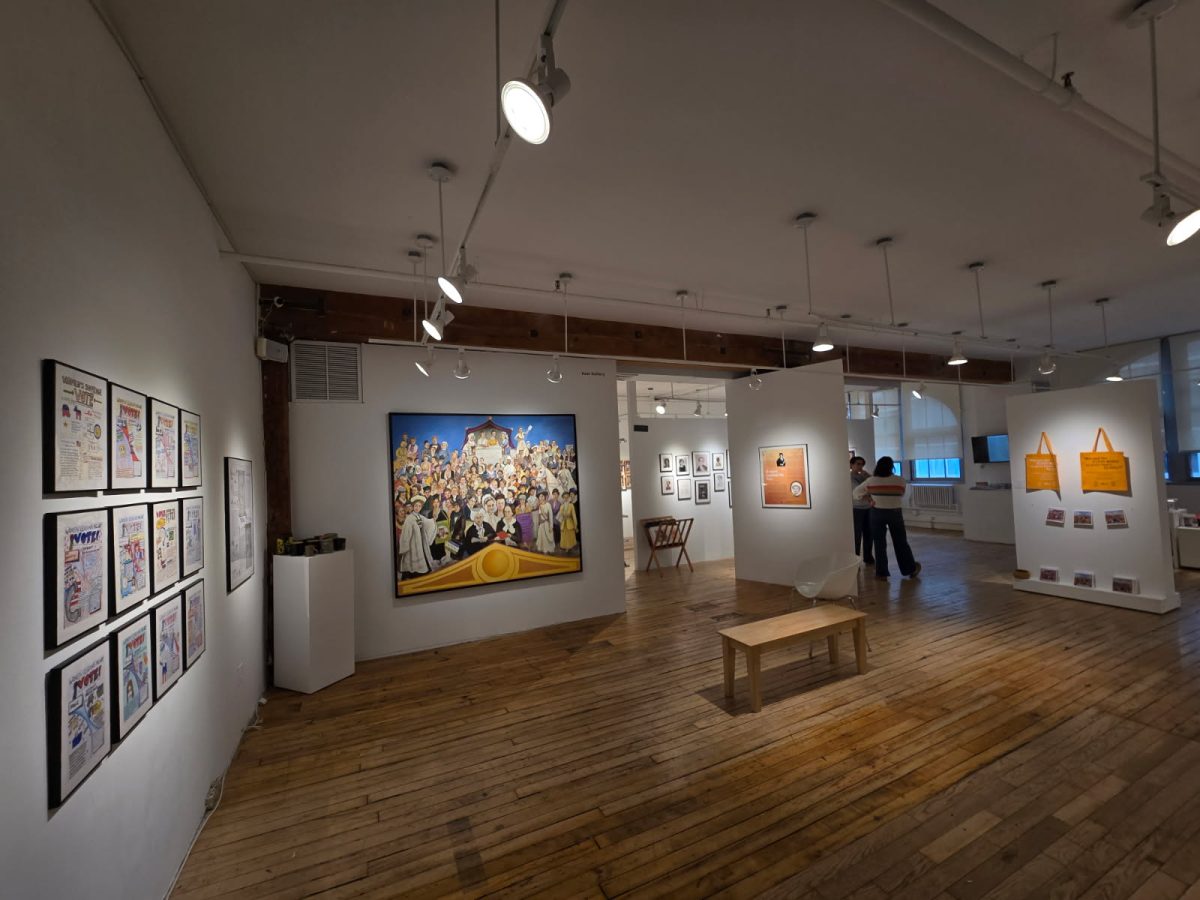



Students from AP U.S. History classes visited the National Museum of the American Indian in Manhattan, offering a firsthand look at Native American culture, history, and resilience.
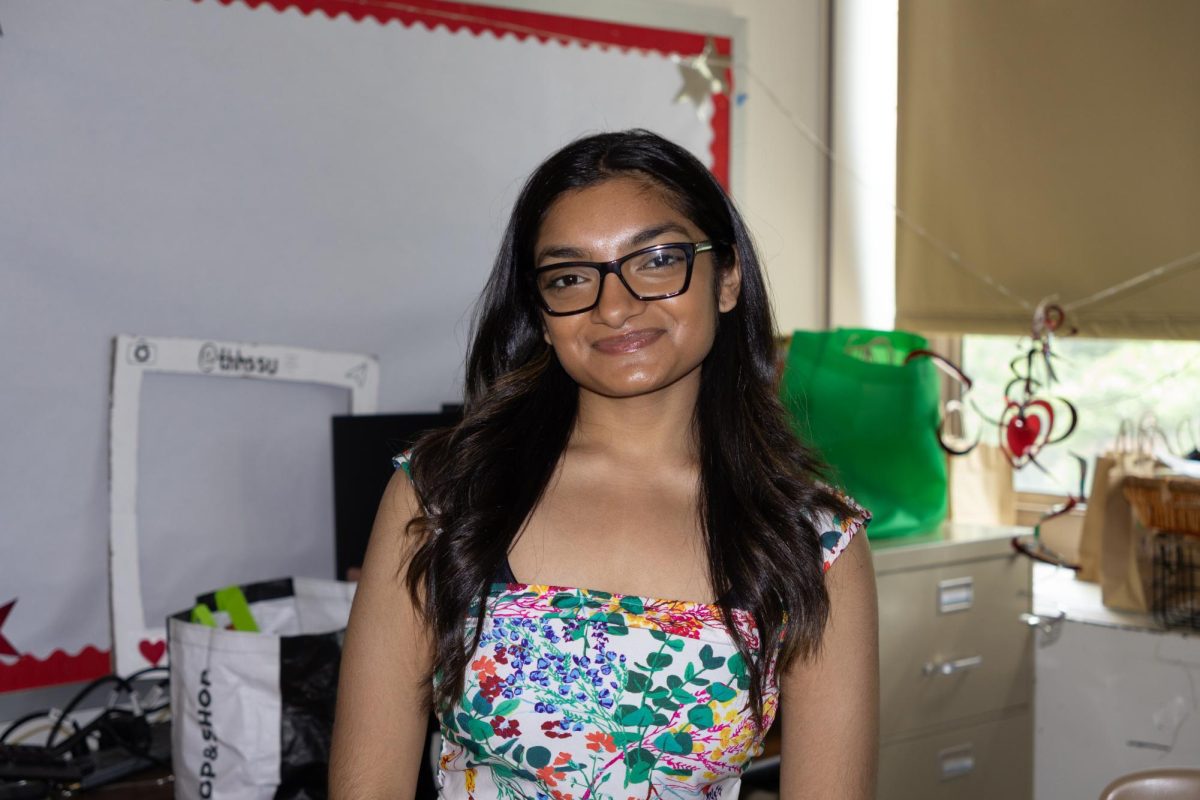
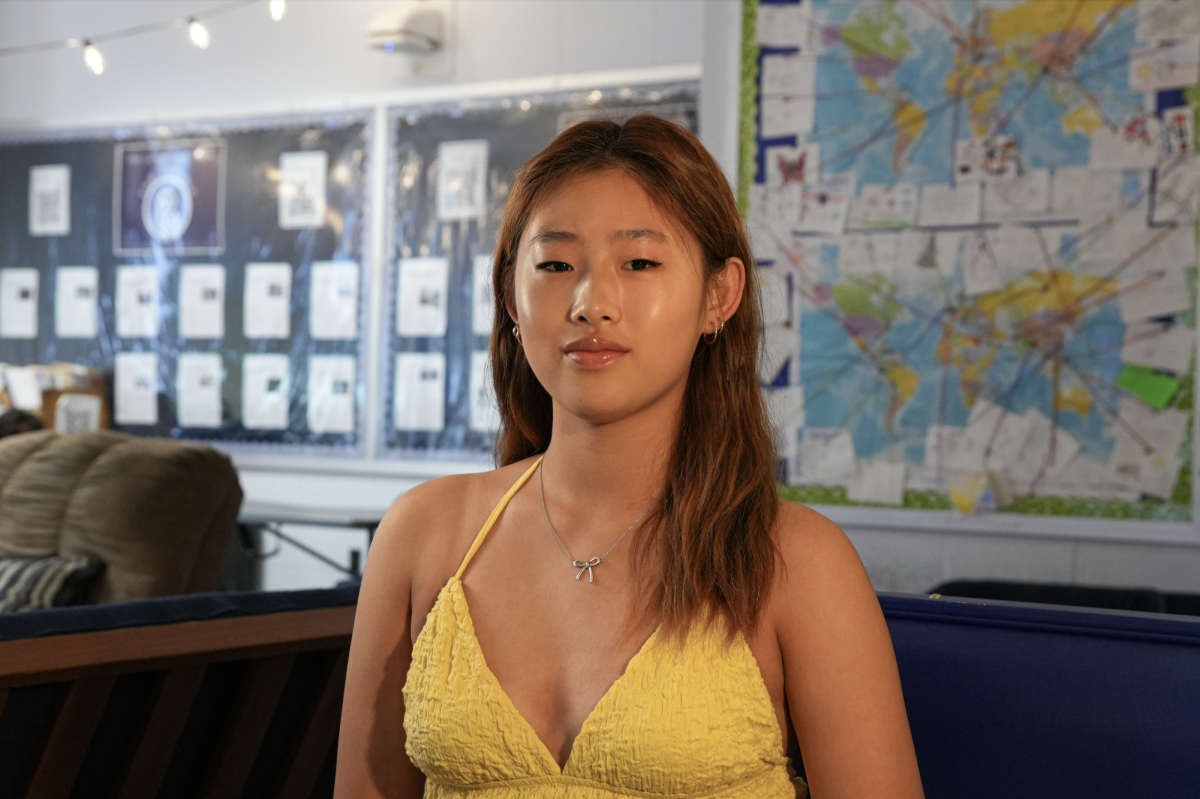
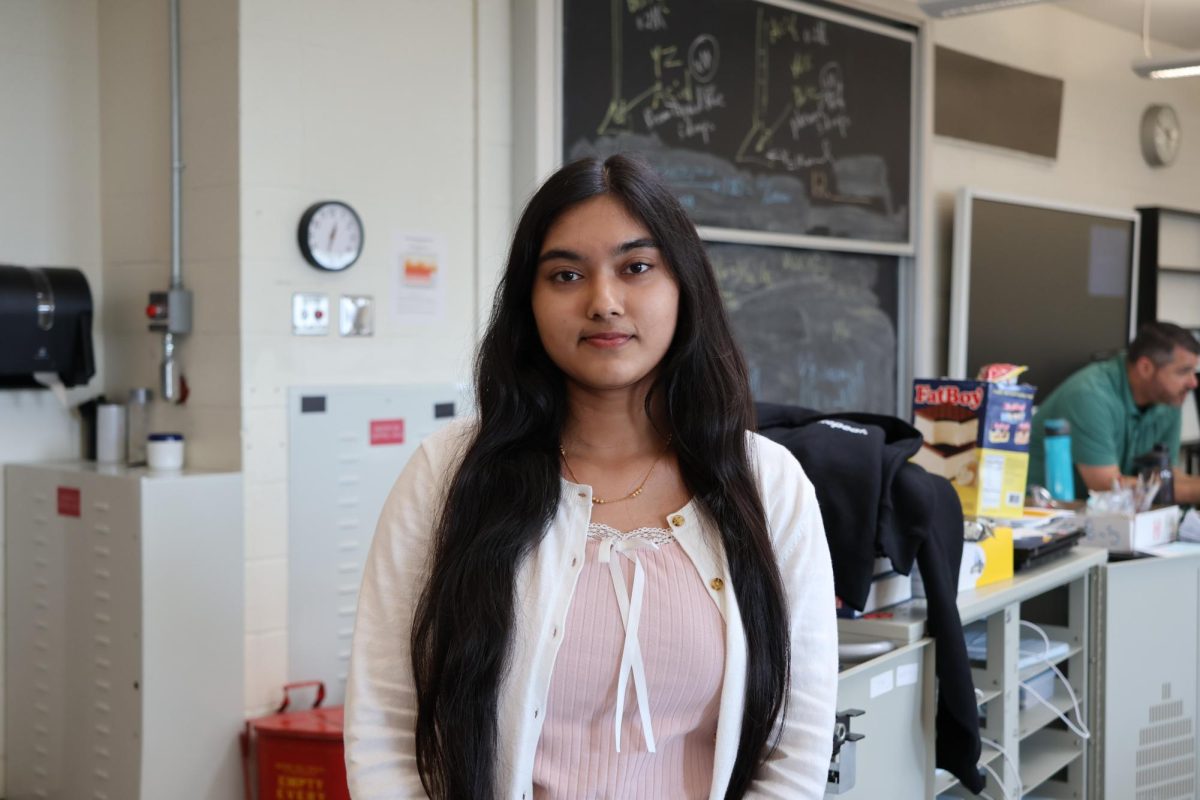
“I found this trip very enlightening, as many artifacts and exhibits in the museum showed the strife Natives underwent, and how their culture is preserved,” said junior Sophia Cherry, who attended the trip.
The trip was part of an annual series of field trips organized by AP U.S. History teachers Eleni Sardiña, Frank McCaughey, and Joseph Seidel.
“The trip to the museum of the American Indian was one of the trips we planned this year in order to enhance our AP US history curriculum,” said Mr. McCaughey. “We like to offer these trips in order to develop our students’ learning through hands-on experiences.”
The museum, part of the Smithsonian Institution, highlights the diversity and resilience of Indigenous peoples across America. Ms. Sardiña said that there are few comprehensive resources about Native American communities, which makes experiences like this especially valuable.
Ms. Sardiña said the museum’s interactive maps helped students visualize how Native displacement unfolded over time. “These resources help connect what we’re learning in class to real historical events, which we rarely have time to explore in detail otherwise.”
After exploring the museum, students visited other historical sites across Manhattan, including Wall Street, the African Burial Ground National Monument, and Battery Park. “We discussed the slave market that once stood on Wall Street and explored it through a walking tour, tying together historical themes that continue to resonate today,” said Ms. Sardiña.
“We tied everything together to talk about history in terms of it being uncovered and still being studied now. Without artifacts and anthropology, we don’t actually know what happened all the time,” said Ms. Sardiña. “And so that’s what’s great to really connect with students.”
“Seeing real artifacts like this moved beyond the stereotypes I’ve seen in some textbooks and made the culture feel vibrant and present, not just something from the past,” said Junior Md Faheem Alam.
Sophia said she wonders about why current Native American news is buried within our media. “Seeing the many problems Native Americans have faced makes me wonder why they are not talked about in our media more often. I barely hear news on how different tribes are holding up.”
“It made me question what other stories are missing from our usual lessons,” said Md. “It definitely convinced me that this kind of hands-on learning is crucial.”
Sophia believes that other subjects should have this opportunity, in order for students to have firsthand experience with the material covered in class: “I think hands-on learning, such as what we did on this trip, should be used in subjects that require more empathy, as these trips put a lot of different situations into different perspectives.”
Ms. Sardiña said, “I think if students walk away with the understanding that Native American culture is not just past tense, but present, how communities preserve their language and culture today, then we’ve done a good job.”