
![Incoming Student Union President junior Aki Bejamin and other SU candidates sitting on stage while waiting to give their speeches during the May 18 SU Debate. Aki said he plans to “burn [the SU] all down and start anew.”](https://thhsclassic.com/wp-content/uploads/2026/06/IMG_9600-e1782439128607-1200x1131.jpg)










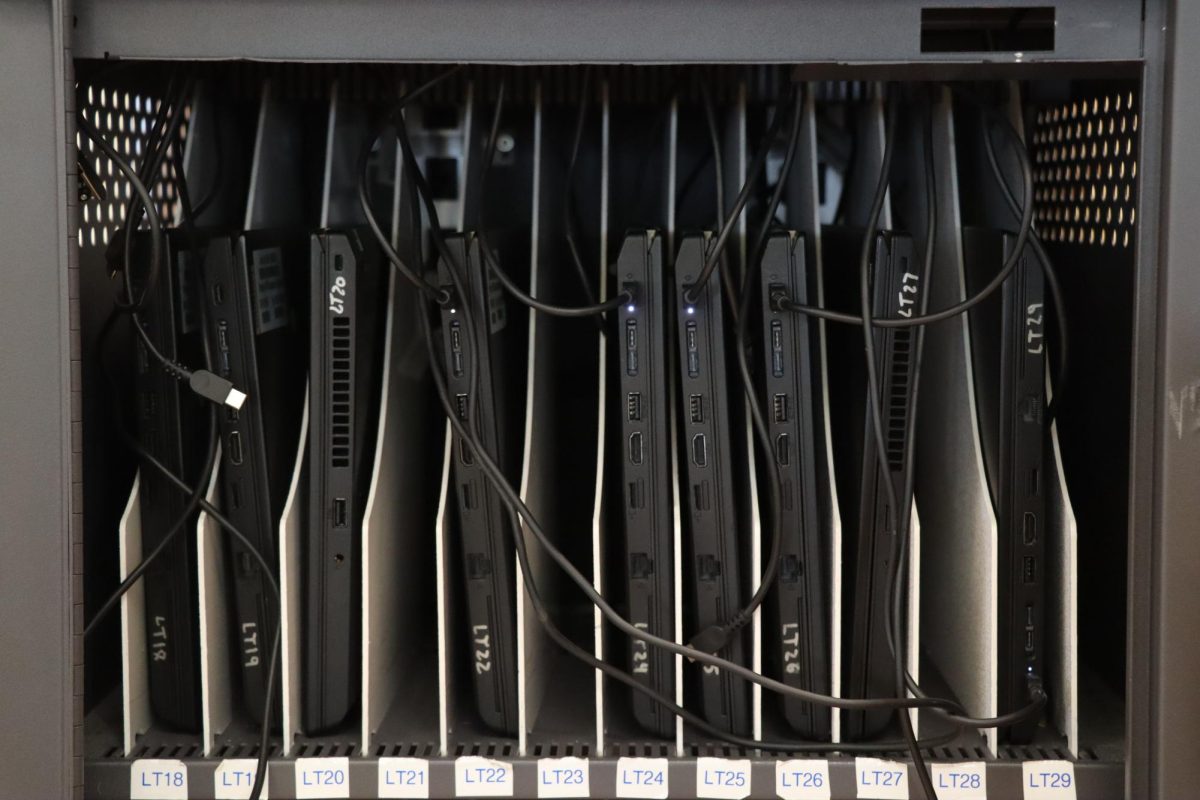
With the potential for students to use Artificial Intelligence as an undisclosed schoolwork shortcut, some English teachers at Townsend Harris have started using Chromebook extensions and other online tools that help document each student’s writing process.
Revision History is one of those tools. The app shows teachers information about a student’s writing process in a Google document, including typing speed and patterns, copy and paste behavior, and active writing time. The app will not prove that a student used AI to write an assignment for them in its entirety, but it can show, for instance, if a student copy/pasted their entire answer from another place.
The Classic spoke to Eric Rubenstein, the CEO and founder of Revision History. He said that the app is not intended to be used for AI detection; rather, it works to help teachers understand how students develop their writing.
“Revision History analyzes the process of writing in Google Docs,” said Mr. Rubenstein. “Revision History’s approach is all about writing process visibility, not AI detection policing.” Rubenstein said he believes AI detection tools, on the other hand, can lead to false positives.
“We do our best to give teachers insight into the real writing process,” said Mr. Rubenstein. “The analysis our tool provides is intended as a conversation starter if something looks fishy, ideally a conversation that is fair, calm, and student-centered.”
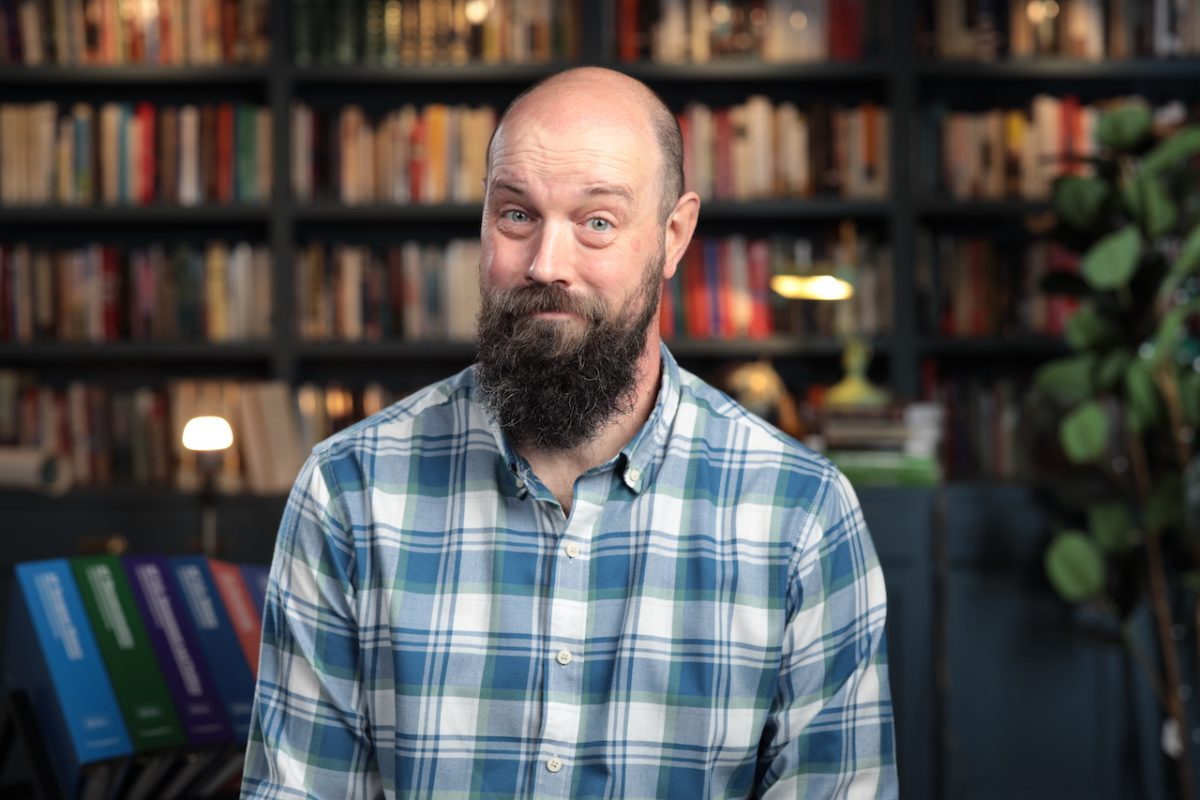
English teacher William Lacker said he uses these tools as Mr. Rubenstein described. He said that if the tools he uses raise questions about whether or not a student used AI to write their assignment without disclosing it, he doesn’t begin with accusations. “My personal approach is to give the student in question the benefit of the doubt,” he said. “[I] sit down and have a real conversation about their writing process and any extra tools that they used.”
Similar to Revision History, Draftback is another Google Chrome extension some teachers use to be able to monitor student writing patterns. Draftback focuses on the ability to replay the entire writing process, which shows teachers if a document was written manually or pasted from an outside source.
According to the THHS Schoolwide Grading Policy, students are expected to maintain academic integrity and show their entire writing process when asked. The policy says, “All online work should be done on Google Classroom through documents that are shared with your teacher. Teachers must have access to the history of any document that you work on and students must be able to show their work when asked.”
English teacher Brian Sweeney said that tools like Revision History and Draftback should help teachers study how students write and how teachers should assign work as a result. “I’m using this for my own education about how students are writing using digital tools,” he said. “It’s informing how I assign things overall, so if AI can be so easily used, then let’s not use that assignment in the future.”
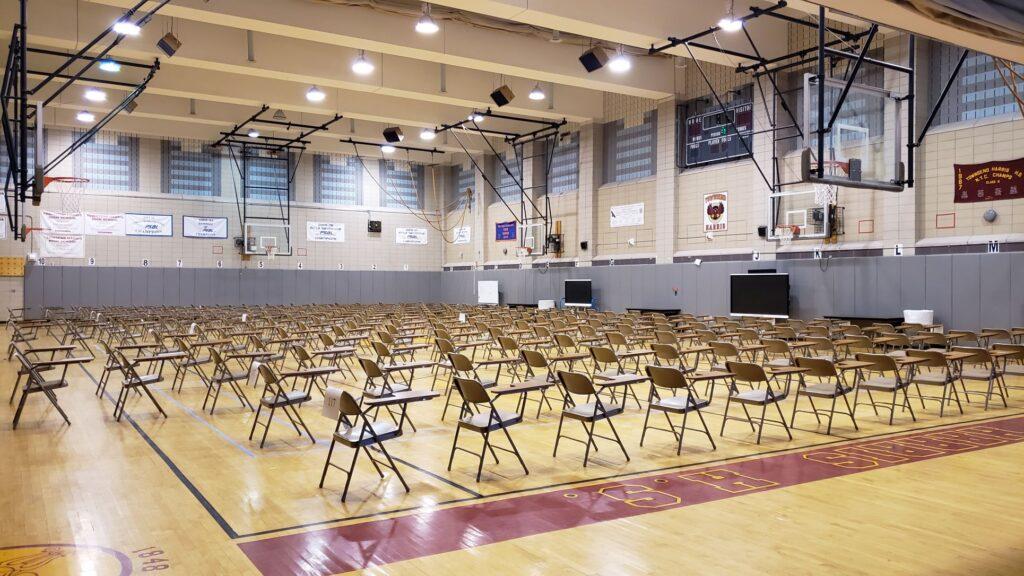
In many classes this year there have been more frequent in-class, handwritten assessments, as opposed to at-home essays. However, while THHS has asked students to avoid using AI as an undisclosed replacement for their own writing, there have been numerous instances of students exploring the use of AI as an educational tool.
Mr. Sweeney and his course were featured on the CBS Evening News on November 4. In the news spot, students both handwrite an assignment and use AI tools to improve their writing. After a handwritten assignment, Mr. Sweeney asked students to run their essay through ChatGPT to analyze their mistakes and weaknesses in their writing style.
Sophomore Austin Yang, who was also interviewed by CBS Evening News, said this new approach of using AI as a tool was helpful to him to understand his mistakes. “It helped me learn a couple of lessons on the way I write, and it helped me improve my writing process,” he said.
Senior Evelene Chao said that she believes that handwritten assignments help engage her more than essays that are assigned as homework. “I think it’s refreshing to write essays on paper compared to the numerous online assignments we already have,” she said.
“At the end of the day, the kids using AI are going to find a way to use AI in a different way,” said senior Mohammad Nasrallah. He does not believe an increase in handwritten assignments will eradicate the issue entirely. “Students might go to the bathroom and use AI on their phone or print an AI transcript. [Teachers] can’t escape it.”
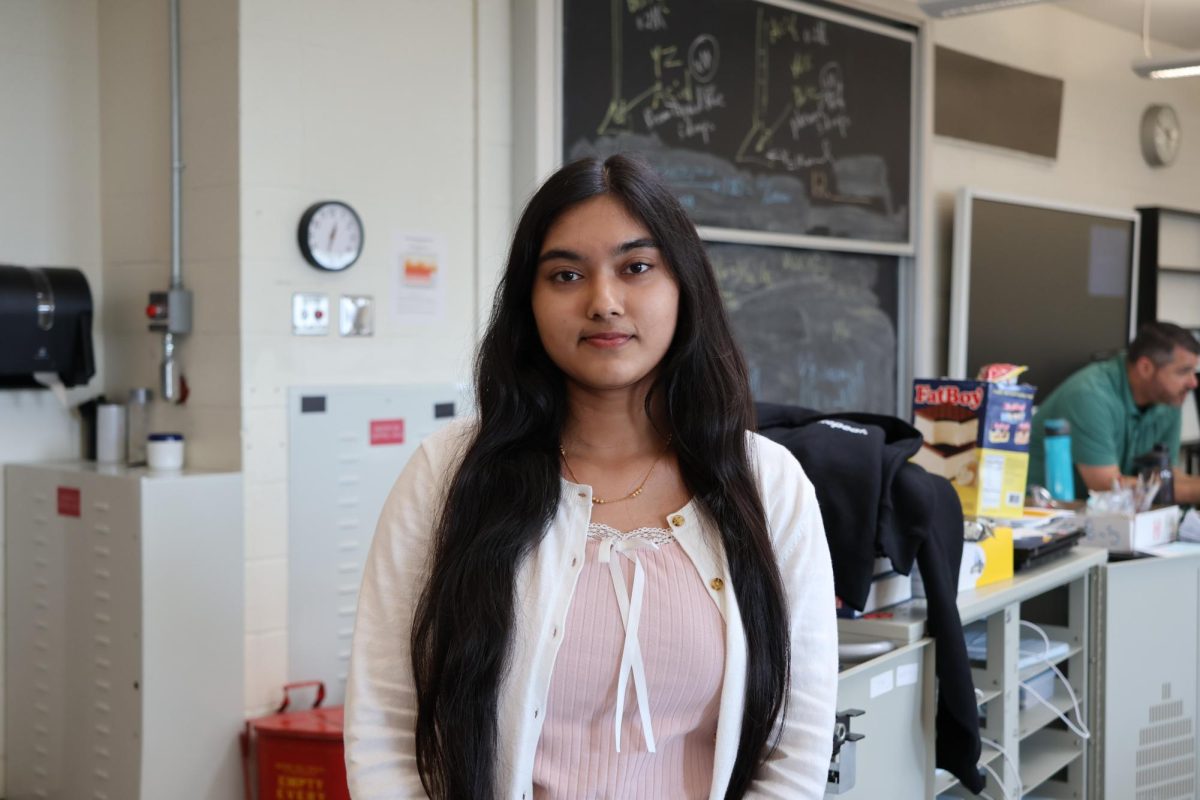
“[Handwritten assignments] help us build up our skills because when you’re not typing on your computer, you’re thinking a lot more critically, ” said sophomore Tajrian Noor. She believes that when students get good grades for AI assisted work, it is not fair to other students who complete their work themself. “It makes it more fair to students, shows critical thinking on the spot, and prepares students for the regents we take in January,” she said.
“AI ultimately is a tool, and tools by nature aren’t good or bad, as they depend on how they are used. I do think AI can assist in a lot of fields of life, but we want to make sure it doesn’t take away students’ ability to critically think,” said Mr. Lacker. He believes that there should be a distinction between “innocent,” grammar-assisting tools or other helpful uses of AI, and when the AI starts to write in place of the student.