

![Incoming Student Union President junior Aki Bejamin and other SU candidates sitting on stage while waiting to give their speeches during the May 18 SU Debate. Aki said he plans to “burn [the SU] all down and start anew.”](https://thhsclassic.com/wp-content/uploads/2026/06/IMG_9600-e1782439128607-1200x1131.jpg)

















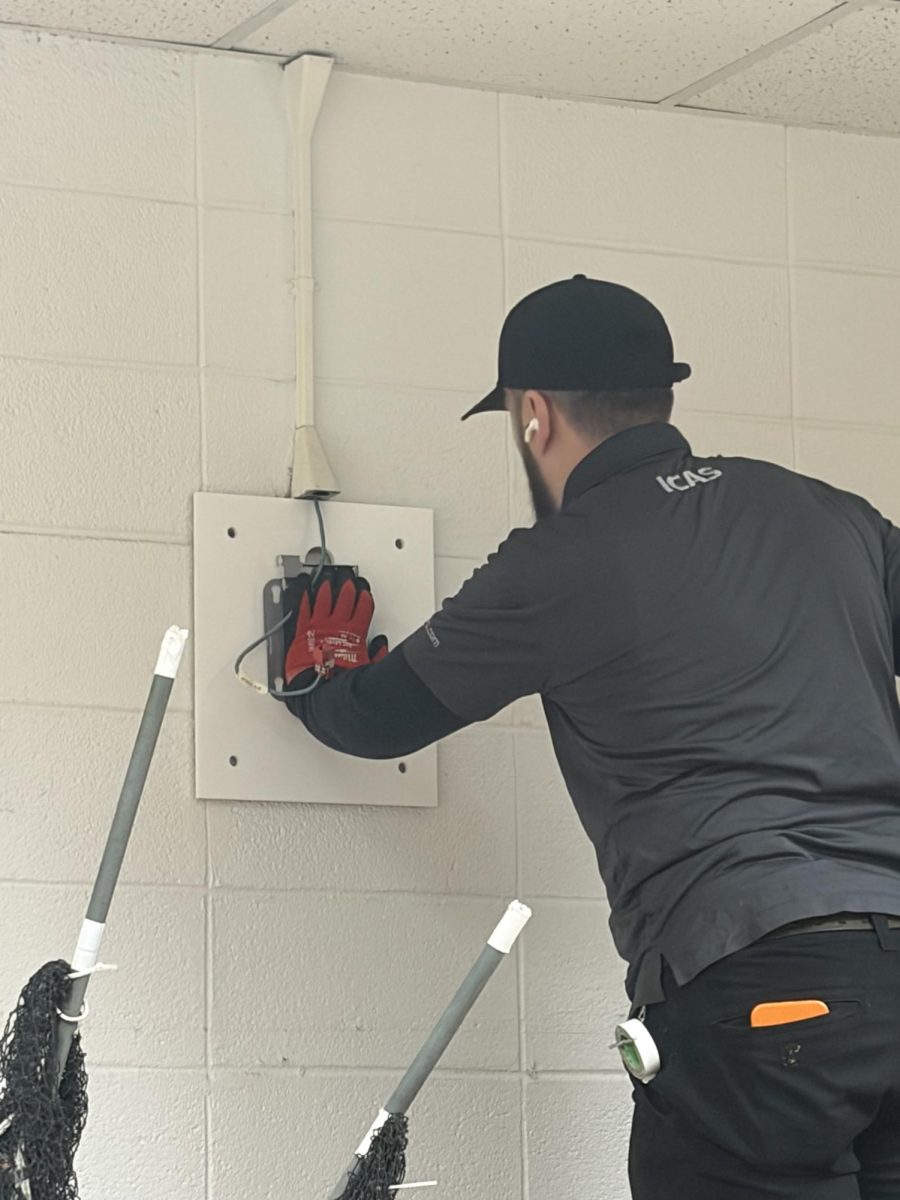
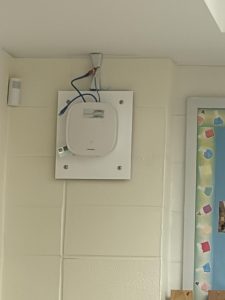
In the past week, THHS has received a network upgrade with new wireless access points around the school that were installed by the NYC Public Schools Division of Instructional and Information Technology (DIIT).
“[The DOE is] going to upgrade our network backbone and our Wi-Fi access points,” said Computer/Network Coordinator and physics teacher John Tsai.
Last week, Assistant Principal of Organization Ellen Fee sent an email to staff informing them of a network outage that would begin after school due to the upgrades. In the email, she shared information from the DIIT, which said that THHS would be receiving a network upgrade as part of the “Classroom Connectivity Universal Project, [which aims] to bring [the] school network up to DOE network standards.” According to the NYCPS website, this project represents “an effort to upgrade the technology infrastructure in DOE school buildings in order to enhance the speed at which students are able to access the internet.”
Since the pandemic, classrooms have become more reliant on the internet for many aspects of learning. Google classroom assignments are common, as are various interactive web-based activities.
Students who spoke to The Classic said they are hoping that the upgrades boost speed and reliability. A number of students said that the system before the upgrade could be slow.
Junior Adora Uddin said, “[The school internet] is not very reliable, especially in the morning. I have a hard time finishing my assignments because of how slow the internet is.”
Likewise senior Brandon Pinto said, “It’s not all that reliable. The WiFi is slow, and Google Classroom won’t load the most recent assignments in my classes.”
However, sophomore Kayla Ujandy said “internet during school hours is for the most part, reliable.” Sophomore Gabriella Hartman who said, “if I’m just using it, or a couple other people are using it, it’s fine. But if the teacher is making everybody hop on and do an assignment online, then it kind of gets slow, but it’s not the worst.”
Chemistry teacher Joel Heitman said that the school’s internet is essential for teaching. “Because of the ability to have the internet, my students are able to digitally share all of their notes,” he said. “They’re able to collaborate digitally inside the classroom, outside the classroom, from our homes. People could be home sick, and they can still get access to the material because the classroom is digitally based.”
In addition to classroom teaching and assignments, standardized testing is becoming increasingly digitized, particularly for AP tests and the SATs.
Last year, The Classic reported that during the administration of the AP Psychology exam “most students were unable to log into the testing application at the assigned start time.”
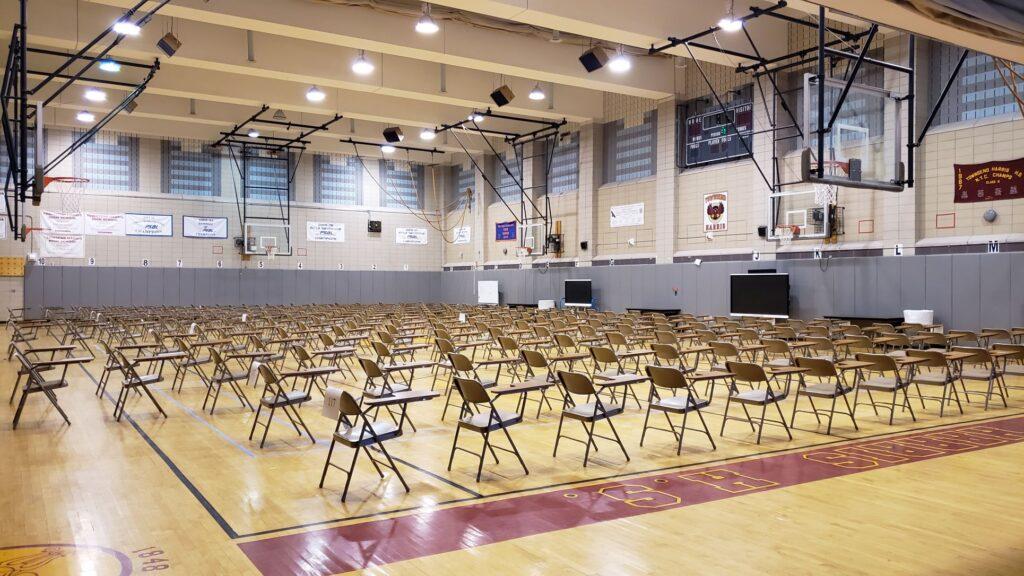
During standardized testing numerous students are connecting to the internet and taking the exam at the same time. This causes the Wi-Fi access points to be heavily stressed.
Mr. Tsai said that in the case of online AP exams, “most students can get in, but if we have around 300 students or more, then usually the first 280 are fine and that’s the last 30 or 40 that have an issue. So we’re going to see if it gets better after they do the upgrade.”