![Incoming Student Union President junior Aki Bejamin and other SU candidates sitting on stage while waiting to give their speeches during the May 18 SU Debate. Aki said he plans to “burn [the SU] all down and start anew.”](https://thhsclassic.com/wp-content/uploads/2026/06/IMG_9600-e1782439128607-1200x1131.jpg)









Many of us know the cafeteria as a loud, dimly lit, overpopulated area. In the cafeteria that we know right now, there are not enough seats, limited food options, and there is no sense of personality.
That’s how the cafeteria looks today. But all that will change over the course of this semester as Townsend Harris’s cafeteria gets adjusted according to the plan laid out by the Cafeteria Enhancement Experience (CEE), an initiative by NYC Public Schools’ Office of Food and Nutrition Services. The CEE goal is to transform the food system in NYC schools. It’s all part of a larger effort from a nonprofit organization called Community Food Advocates that wants to ensure that all New Yorkers have access to affordable, healthy, and culturally appropriate food.
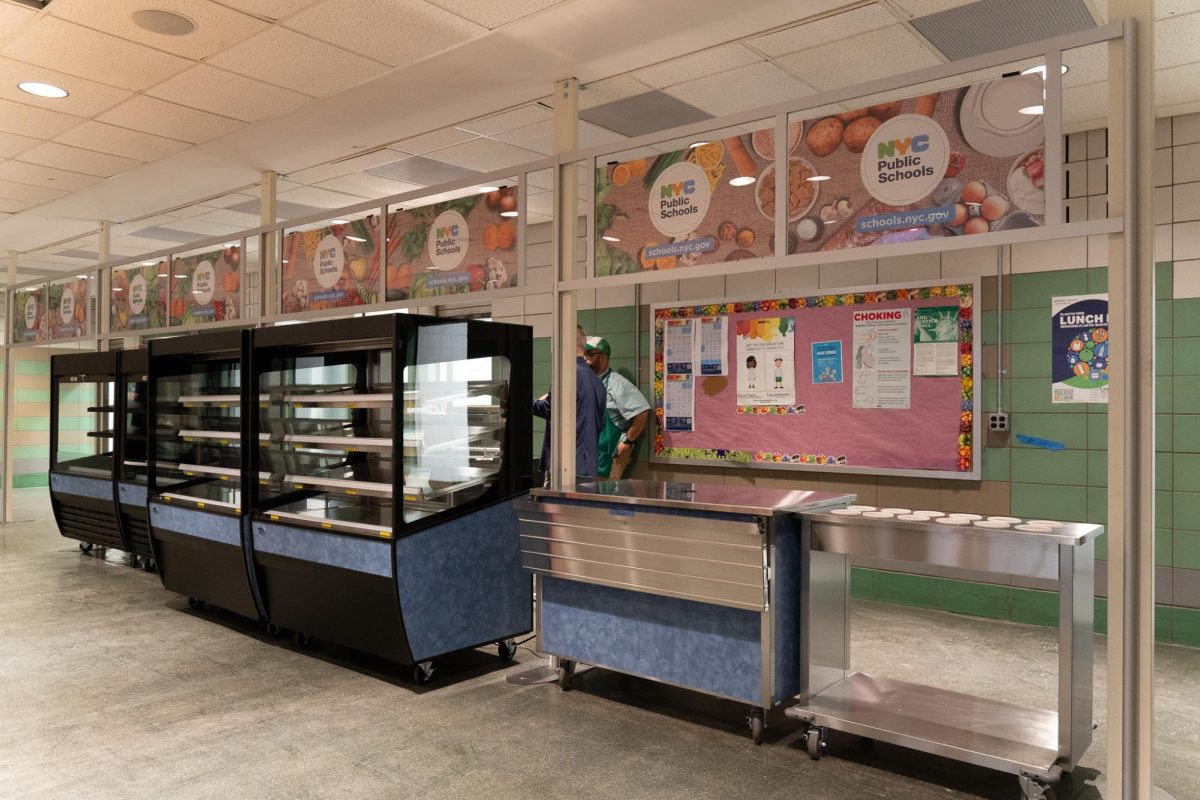
By the time students walk in for normal classes on January 27, the part of the cafeteria where the food is served will look noticeably different and be ready for use. The new food service area will function more as a buffet where students can quickly grab food that is plated and ready to go, which should allow the lunch line to move faster, giving students more time to eat.

Although there will not be any new dishes, the new cafeteria plan will also provide more daily options. Instead of one main dish and a side dish, there will be many different meals that everyone can choose from. Instead of students having to tell the cafeteria workers what they want, each student can just grab their preferred meal and continue walking.
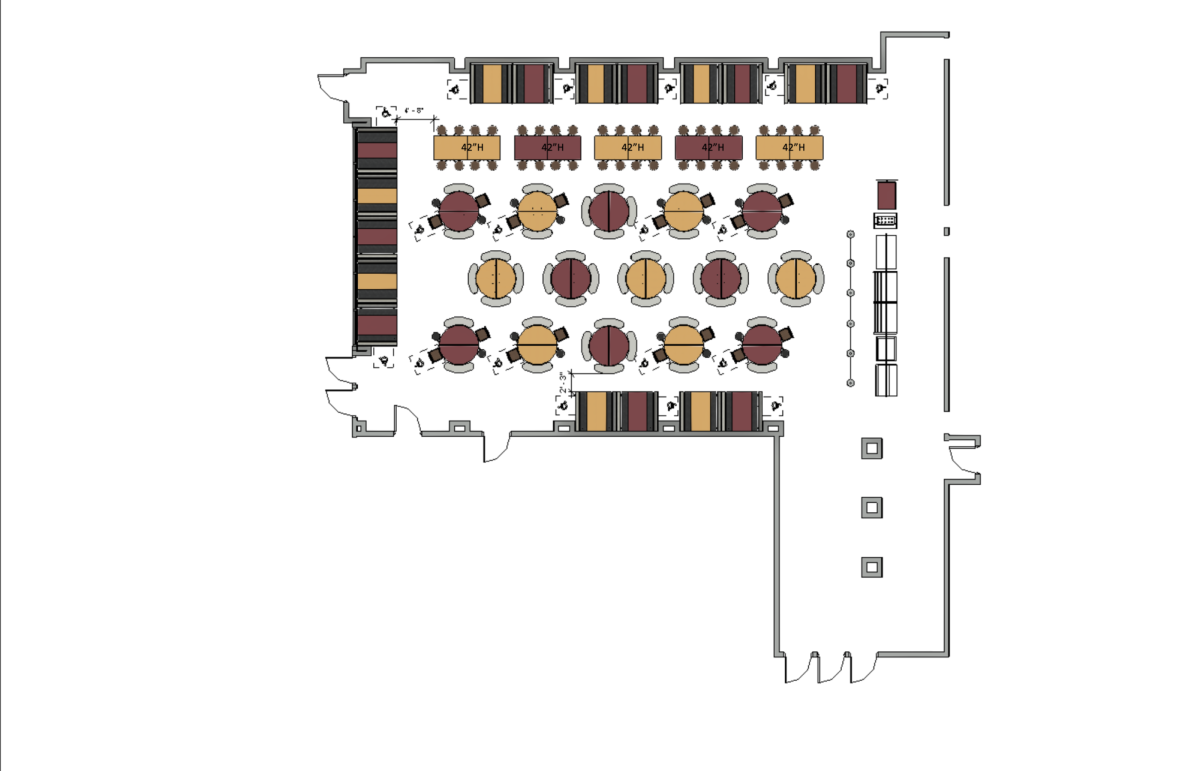
Approximately three months after the unveiling on January 27, the cafeteria will also receive new furniture and decor. There will be round tables and booths that will be painted in bright colors such as gold, red, or gray, instead of the long rectangular tables the cafeteria has now. The walls will be decorated with posters and canvases filled with images specific to Townsend Harris, such as the school motto and the Unisphere globe in Flushing Meadows-Corona Park. These design choices were made with input from some members of both the Student Union and The Classic.
The operational initiatives director of the Office of Food and Nutrition Services, Christopher Maniace, said the goal of the CEE program “was more about trying to be more engaging and giving our clients, which [are] the students of the school, a more inviting environment where they can come, eat, have some time with their friends, and enjoy, because again, in order to be educated, you’ve got to feed your mind. [You] can’t be hungry sitting in class, because now you’re not focused on what you’re learning, you’re focusing on the fact that [you’re] hungry. ”
The CEE program is highly selective. It prioritizes older schools that are in need of new updates. 278 NYC schools have already participated in this program. Once the program’s resources go to all the schools in need that meet the criteria, the remaining resources go down the line of those who almost made the criteria until the funds run out. Townsend Harris is one of the schools that did not meet the criteria at first.
Mr. Maniace said, “[This] building wasn’t necessarily on the list originally because there were buildings with a higher need, and where we would make more of an impact.”
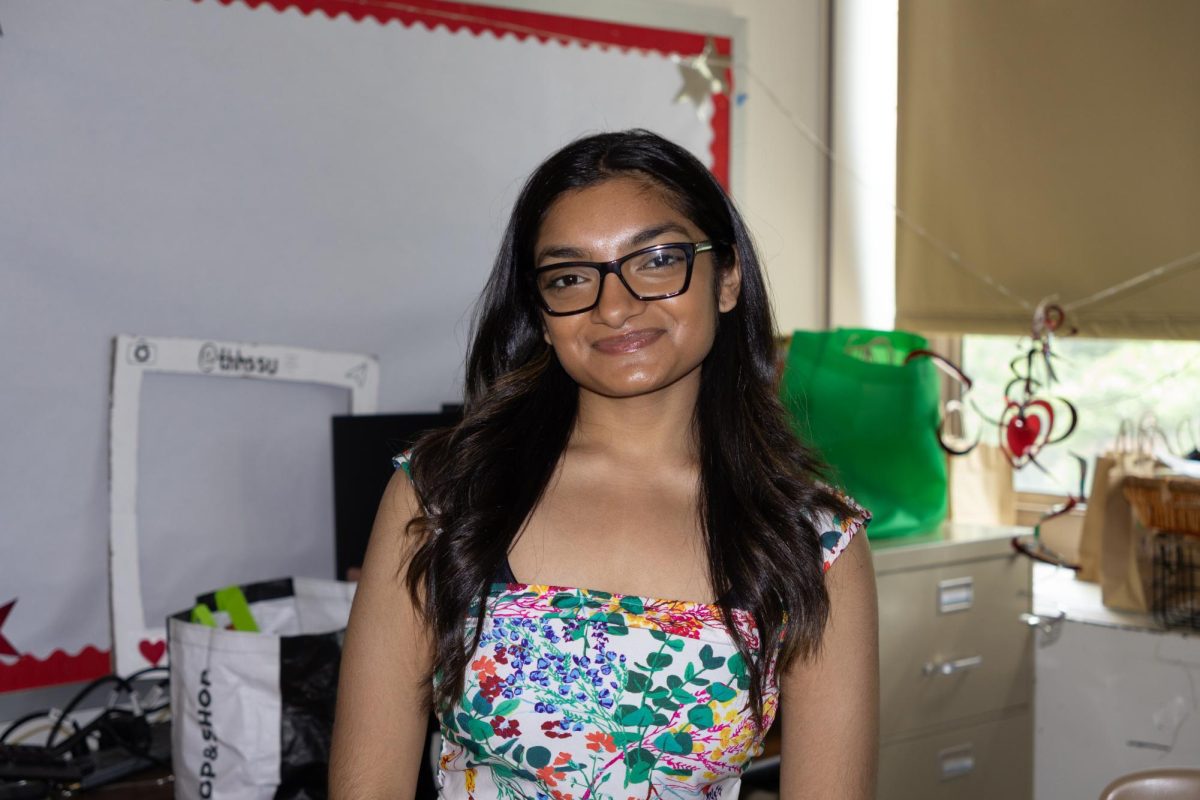
With our current cafeteria, many students don’t feel comfortable waiting in the long lines or sitting at the crowded tables. Junior Aki Benjamin said, “[The cafeteria] doesn’t feel very welcoming.”
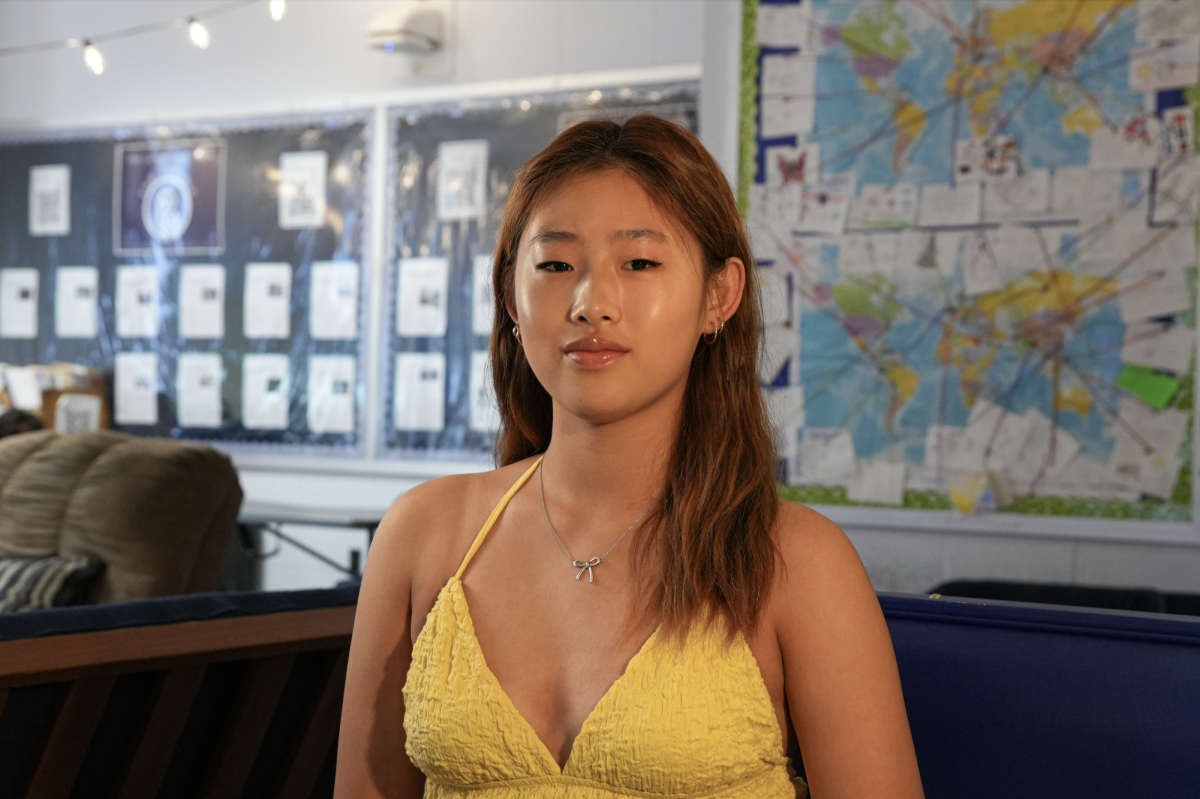
Freshman Caitlin Rissmeyer said, “[The rectangular tables] makes it more difficult for everyone to communicate [with] each other.” The hope for the new cafeteria is to bring students closer together and encourage them to want to participate in lunch.
Community Food Advocates found that schools with updated cafeterias as part of the CEE program had a “35% increase in student participation in school lunch.” Christina Sorrento, one of the district supervisors for District 25 school food, added, “[The] goal is to increase participation, because that’s what we’re here for. We’re here for the students. … [We] want to make sure that each and every one of the students gets a nutritious meal. [That] is our goal. … [It’s] very important that we are increasing participation by ensuring that all children are receiving a nutritious meal, and we want to make sure that it’s available to everybody.”
Many staff members and students said they believe the new cafeteria will significantly benefit students.
Assistant Principal of Organization Ellen Fee said, “I think there’s gonna be an excitement that brings people together in the community.”
Sophomore Leah Dennis said she believes the new changes would benefit students and “make [them] look forward to lunch with their friends.”
Caitlin said,”I think that [the new cafeteria] will help students be able to interact with each other more and create a more welcoming community.”