
![Incoming Student Union President junior Aki Bejamin and other SU candidates sitting on stage while waiting to give their speeches during the May 18 SU Debate. Aki said he plans to “burn [the SU] all down and start anew.”](https://thhsclassic.com/wp-content/uploads/2026/06/IMG_9600-e1782439128607-1200x1131.jpg)







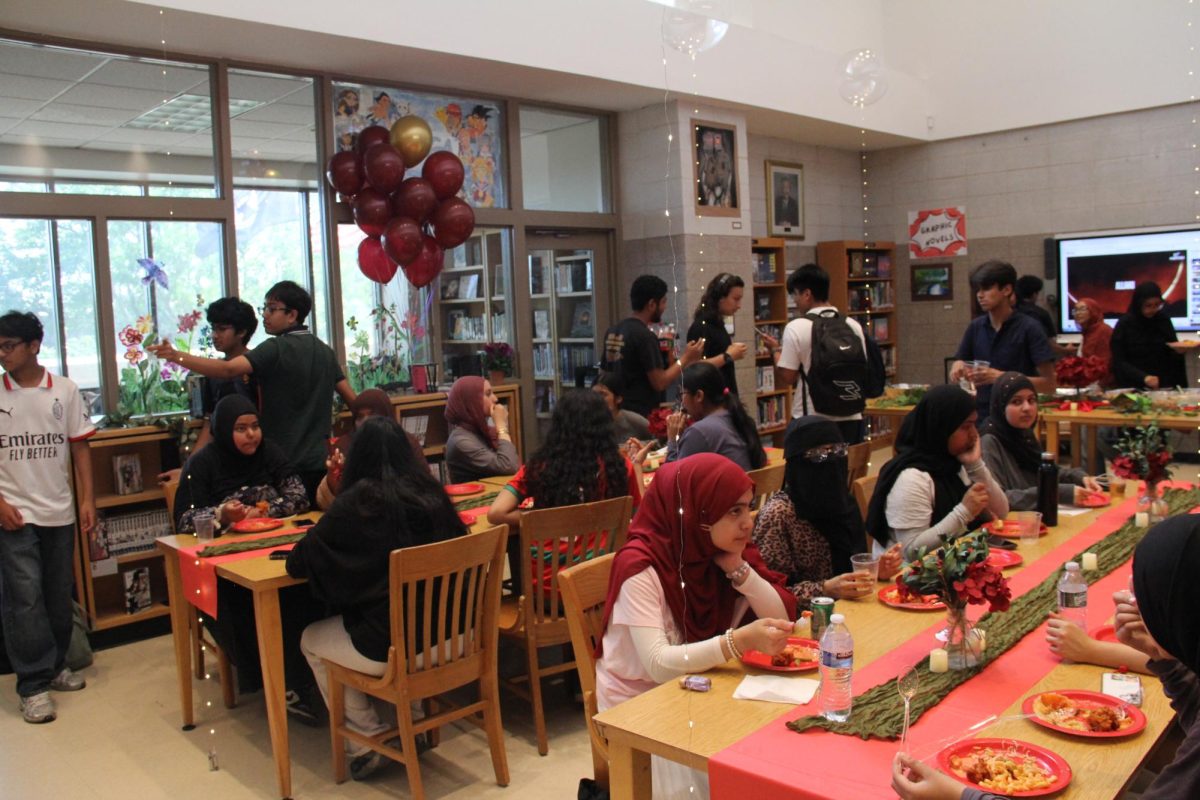




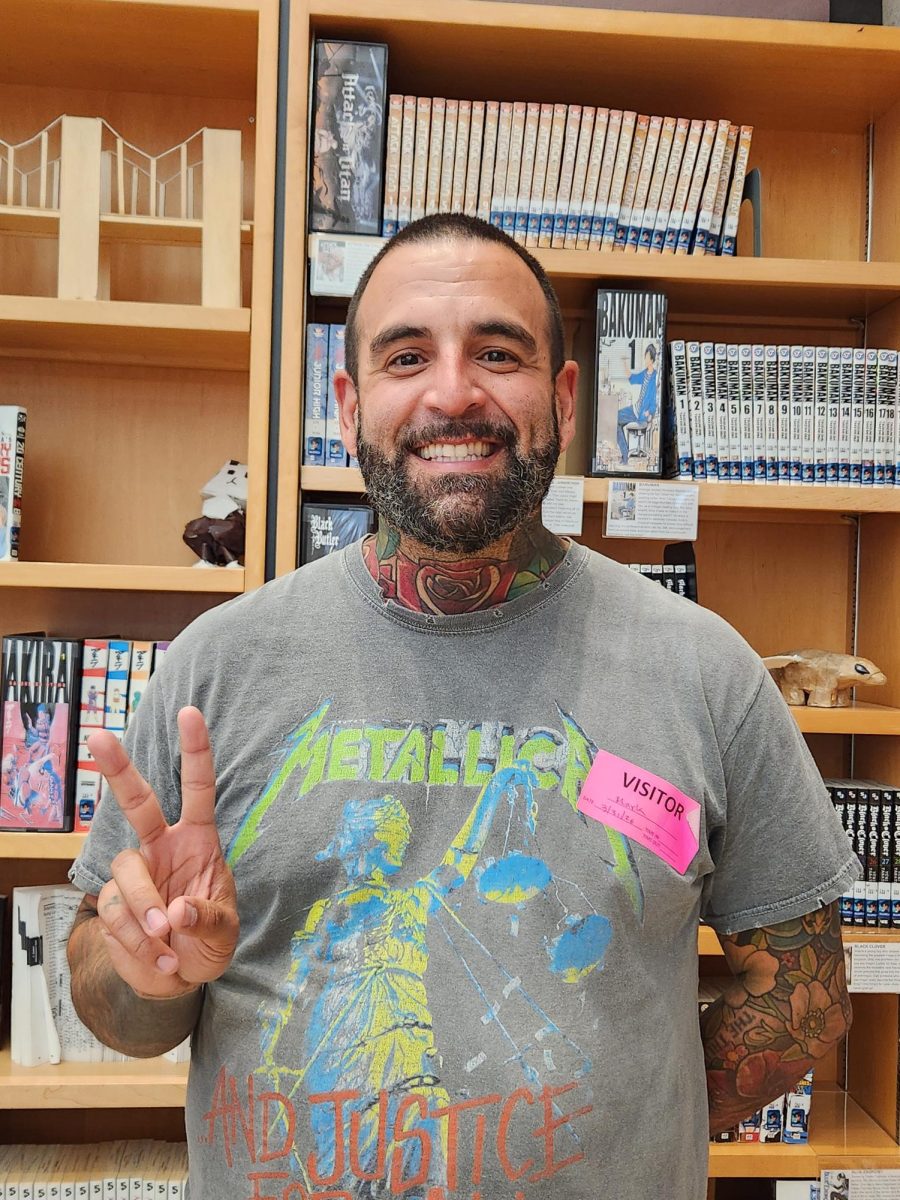

Last month, students from English teachers Katherine Lipinski’s and Natali Frank’s freshman English class gathered in the library with annotated copies of Anger is a Gift, and listened to New York Times bestselling author Mark Oshiro (they/them) as they discussed their creative process behind the book.
Ms. Lipinski and Ms. Frank invited Oshiro through Lambda Literary, a program that promotes LGBTQIA+ writers and their works to K-12 schools. “Through the program, schools can apply for a class set of books and a visit with an author,” said Ms. Frank. “This is the fifth year that Mark Oshiro has come to visit our students, which is one of the highlights of our school year.”
Considering Oshiro’s past visits and the themes the book explores, Ms. Lipinski and Ms. Frank selected Anger Is a Gift for their students to read. Anger Is a Gift is a young adult novel about police brutality, systematic racism, and mental health. The protagonist, Moss Jefferies, is a black queer teenager, who struggles with panic attacks and anxiety due to witnessing the murder of their father by police officers. They faced attacks that extended into their high school with school resource officers.
Freshman Misha Chatel said that the story “doesn’t sugarcoat the world, which makes it feel much more authentic and relevant to our student body than a traditional coming of age story.”
The author visit provided a unique opportunity for students to learn more about how Oshiro incorporates their own life experiences into their work. “By having Oshiro visit us, I learned that it was an outlet for real-life incidents, in addition to a form of awareness for systemic injustice,” said Freshman Vickie Eng.
Ms. Lipinski said, “Oshiro is a talented speaker, and numerous students have remarked that meeting Oshiro has inspired them to pursue writing.”
Misha said, “seeing Oshiro’s passion in person made me realize that the story is an extension of their own advocacy, making the message of the book feel like a living, breathing call to action.”
In Anger Is a Gift, Oshiro focuses on their personal experiences in high school and as a young adult. “This book is autobiographical. I attended a school in Oakland with a resource officer much like [the one in my book]. I also spent the majority of my late teenage years and almost all of my twenties involved with activism and protest, so a lot of the protest scenes are based on things that I’ve experienced.”
Oshiro shared their upbringing from childhood, and how that shaped their writing. “I have an identical twin brother named Michael,” they said. “We are transracial adoptees. That refers to someone who’s adopted out of their ethnic and racial culture. [A character in Anger Is a Gift] is Esperanza. Some of her experience is based on myself.”
Oshiro further shared adversities that they faced as a teenager, which also contributed to their biographical writing style in their works. “When I was sixteen years old, my mom kicked me out of the house for being gay, and I was homeless in my junior and senior year. I had to work a full-time job in high school,” Oshiro said. “A lot of what I write is about situations that teenagers are going through that feel unique or isolated, because that’s what I went through.”
Oshiro’s background as a music journalist also influenced the novel’s characters and setting. “I was a music journalist for eleven years in California before I was a novelist,” they said. “Anger is a Gift is partially based on a school in Oakland I used to visit as a journalist. Some of the kids are featured in the book.”
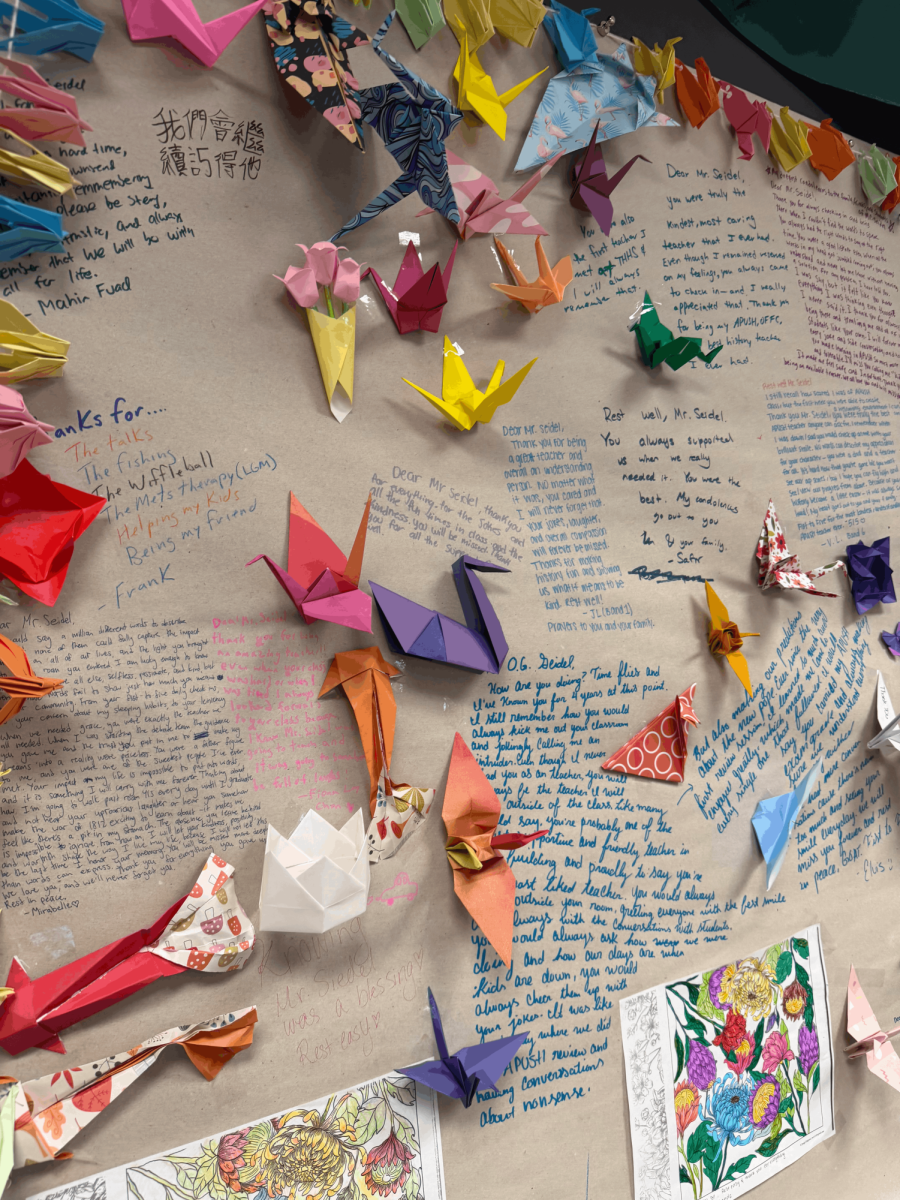
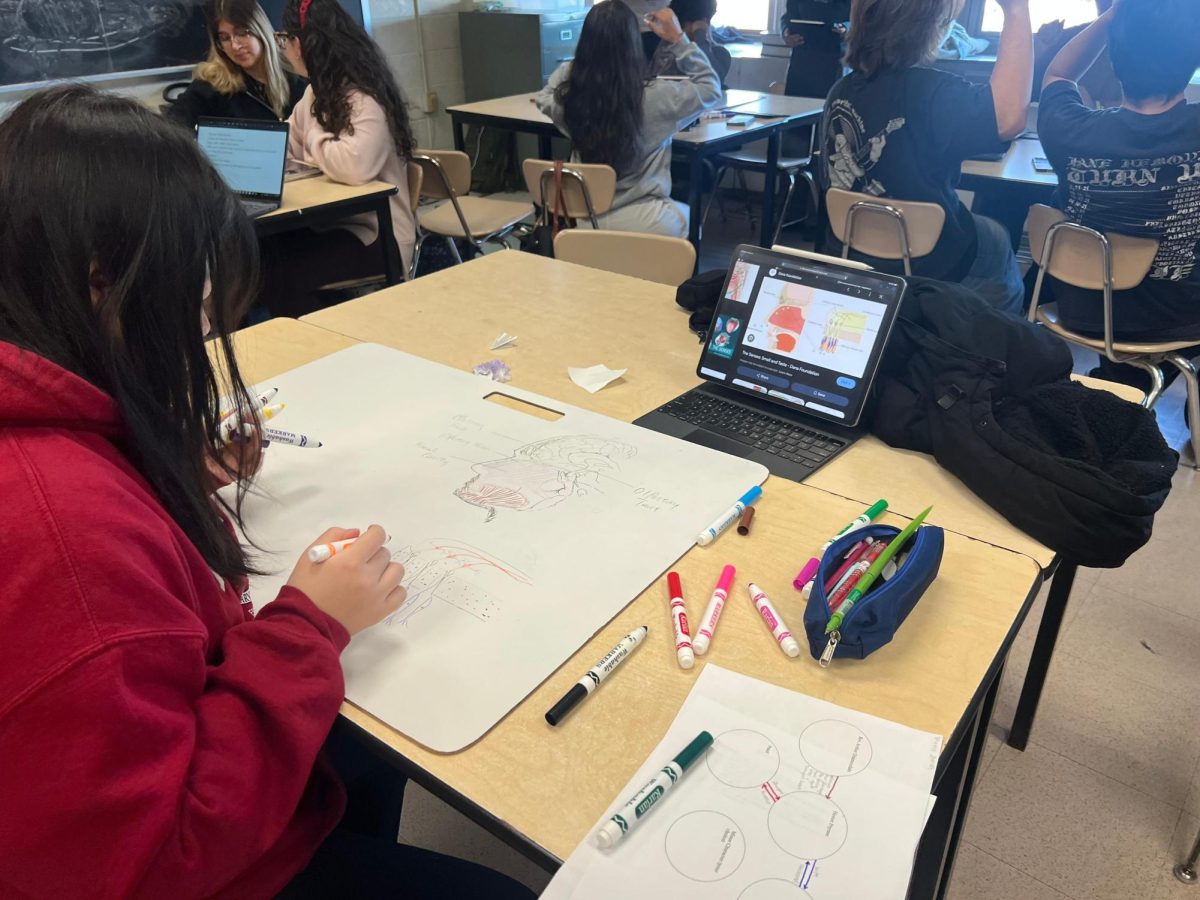
To show their appreciation to Oshiro, students created various pieces of artwork to show them at the end of their visit. While looking through the pieces of artworks, Oshiro said, “That is eerily close to the original cover of Anger Is a Gift,” commenting on freshman Skye Chau’s book cover. “[It was] a different cover, we abandoned it, but that’s crazy.”
Ms. Frank said, “Oshiro’s visits are always insightful and, in many ways, vulnerable. They take the time to share their life experiences and explain how these experiences manifest in their characters.”