


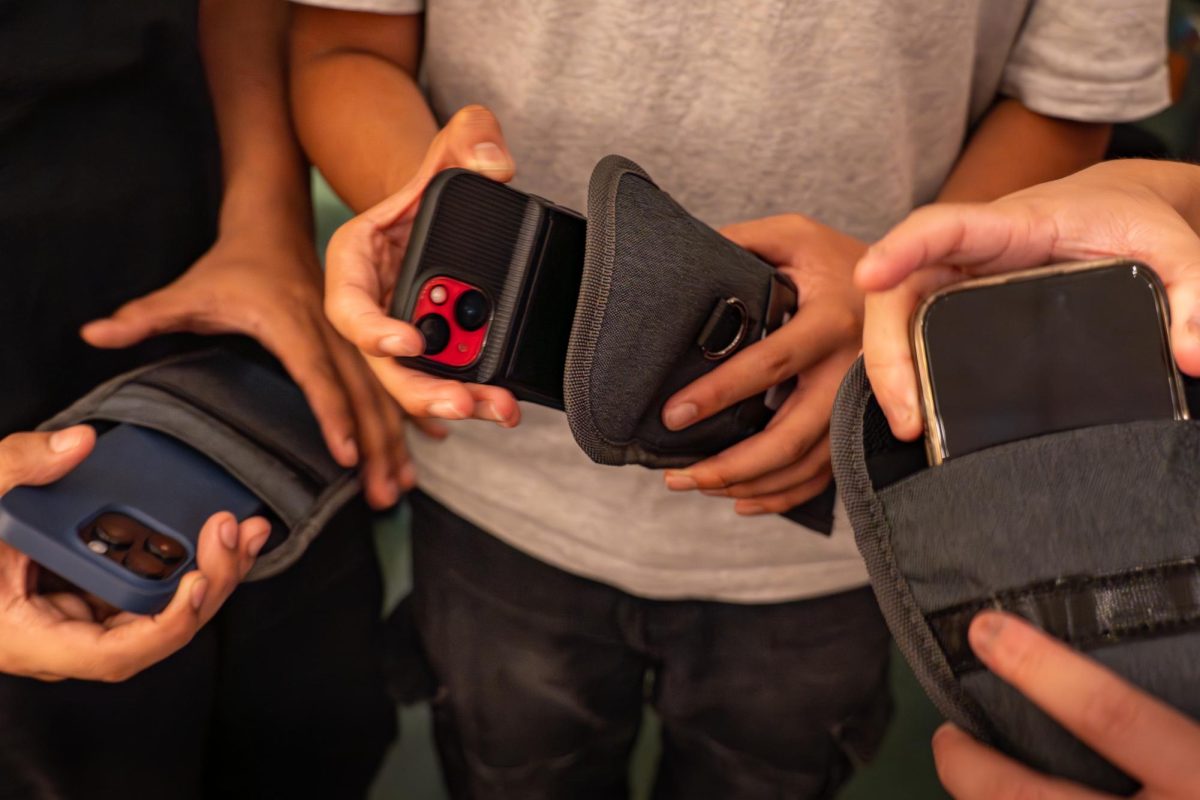

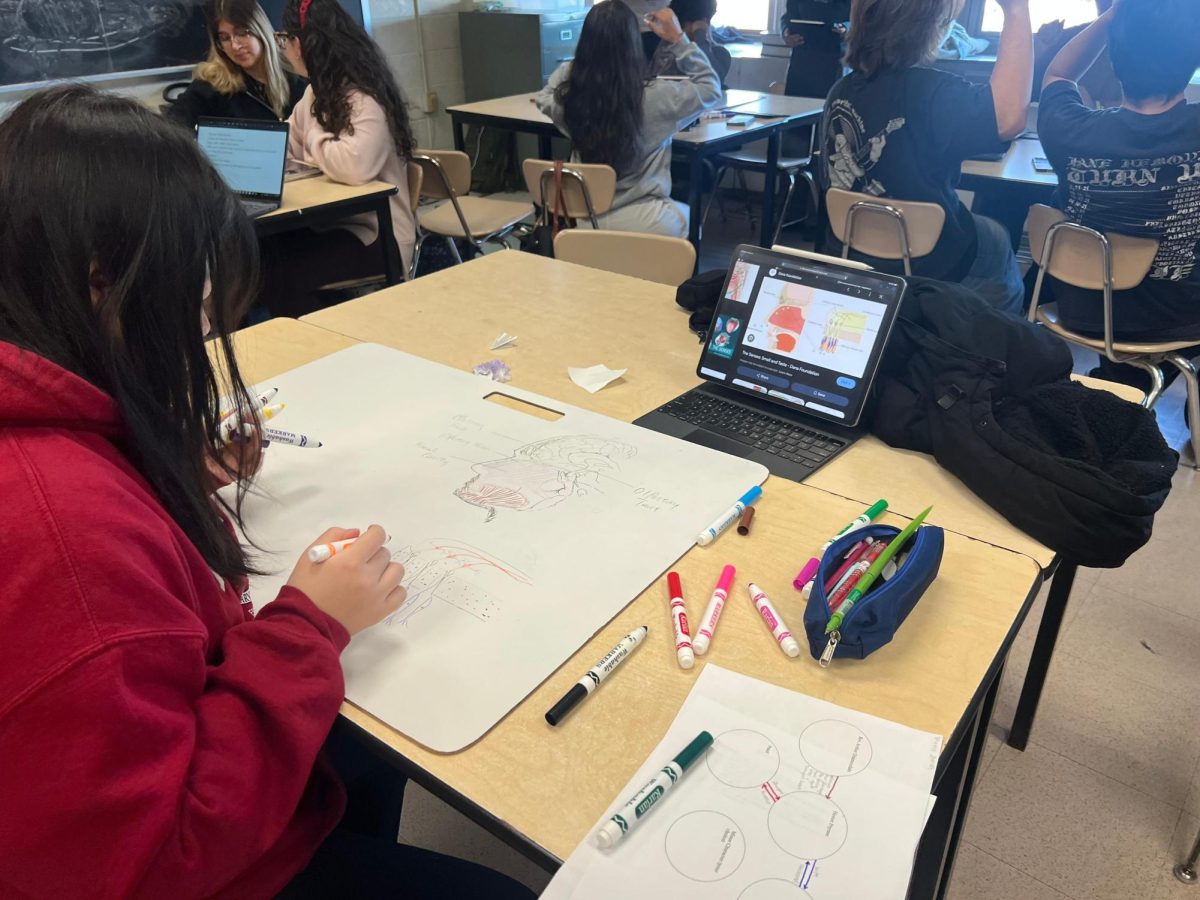

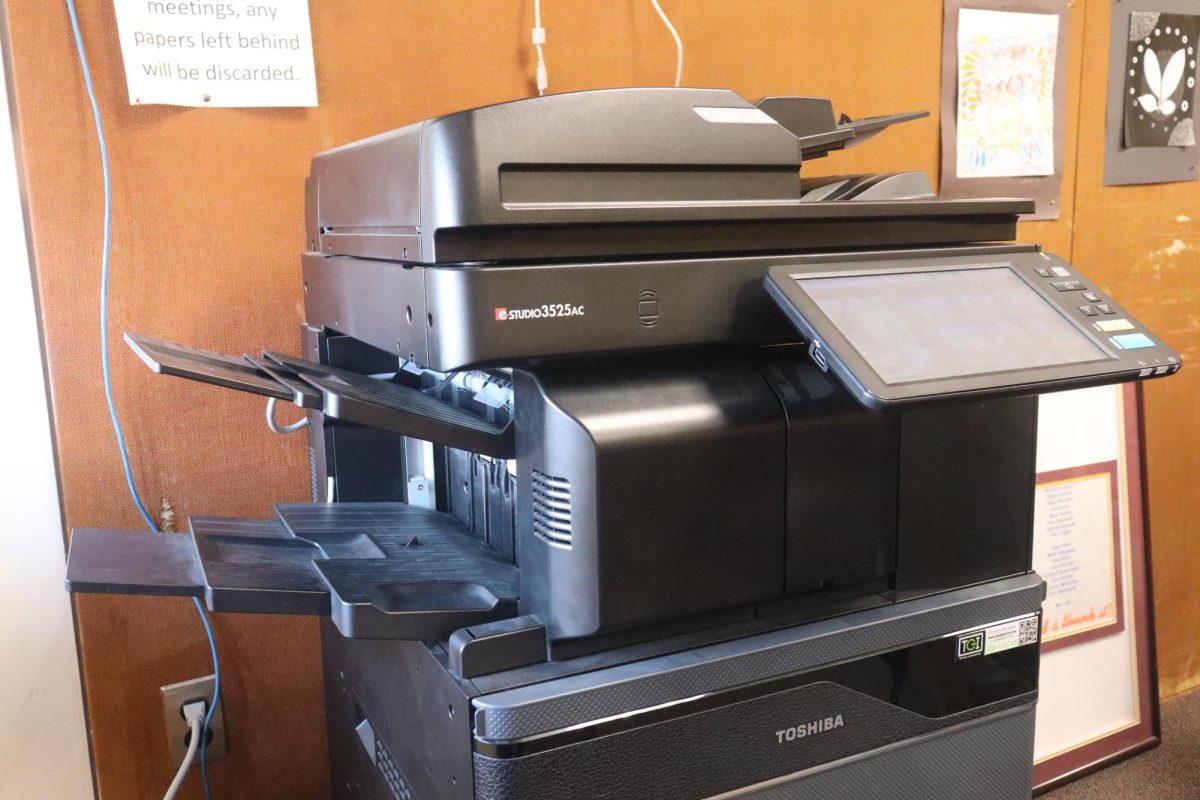
In 2020, all education abruptly moved to online learning platforms like Google Classroom. Students and teachers grew used to accessing class materials online, or even printing them on their own to bring to class. For some, the move to digital resources ensured that schools could use less paper, perhaps minimizing schools’ environmental impact. However, with this year’s ban on personal electronic devices and a growing trend to reduce screen use for students, printed sheets are back, leading the tried and true copy machine to be one form of older technology that is still very much in use. The Classic spoke to staff members at Townsend Harris about their use of copy machines over the past school year.
Abid Choudhury, the assistant principal of the math department and a math teacher, said, “Personally I probably use the copy machine daily. Probably two to three times for classes and other times just for other things.” He said he uses the copy machine on the sixth floor, home to many STEM classes, which he describes as the busiest machine in the building.
Science teacher Ruben Durandis shared a similar perspective. He said he uses the copy machines “two, three times a week” mainly for worksheets and printing exams. In the science office, he explained there are two machines: a regular copier and a Riso machine for fast, single-page jobs.
While he has encountered minor issues, they tend to be a part of the routine. “Sometimes we run out of paper, or we run out of toner, but that’s just part of the process. Everyone’s using it and eventually you run out of stuff.” When the main copier is down, the science department adapts by assigning work digitally or printing from another floor, he said.
Science teacher Olivia Comer said that she uses copy machines “about once a day on average.” She said that sometimes the copy machines get busy: “a lot of times early in the morning, a lot of teachers are going to make copies at the same time, then I would just either have to wait or go downstairs instead.”
Teachers in other departments also said that copy machines remain essential to their lesson planning. History teacher Frank Spitaleri said that he uses copy machines “almost daily” for class documents. He said that availability can be a challenge. “There’s only a set amount of copy machines that we have within the school building and sometimes that amount of copy machines could be even more reduced if one of the machines is broken, if they’re out of ink or toner.” He said this can create a “bottleneck,” especially when multiple teachers try to use the same machine during free periods.
Mr. Spitaleri added that when copy machines are unavailable, teachers shift to digital assignments. However, this creates new challenges as teachers may not always have access to Chromebooks and may have to then authorize students to use personal devices during class.
Latin teacher Timothy Hanford also described the frequent use of the machines. He said he uses copy machines “3 or 4 times a week to make class copies or exams.” For him, the biggest issue is not machine breakdowns, but supplies.
“Sometimes supplies are a problem, either ink or paper. Sometimes they malfunction but not very often. It’s mostly supplies that are the problem,” he said.
Social studies teacher Jaime Baranoff said she uses copy machines less frequently. She said she typically uses the main office copier or one in the guidance office.
Sophomore Tajrean Toha said there appears to be no shortage of copies these days. “We are provided with a lot of worksheets and copies,” she said. Between concerns about AI and digital devices, it would appear that paper is as in demand at ever in high school.
Aryan Sheikh • May 1, 2026 at 11:27 pm
genuinely idk what id do without the copy machine in 306 i love it so much