
























“Class participation” is an important part of grading for some classes — but what really is considered participation? Across different departments and different classes, participation is graded sporadically, and few departments besides English have a clear definition or a rubric on how participation should be defined and graded. Instead grading policies factor participation into classwork without clearly stating how participation is graded.
The only way to make expectations for students clear is to standardize criteria and provide a uniform definition for participation across all departments.
Different teachers and departments have different definitions for participation. A number of teachers consider participation to be strictly when students raise their hands, are called on, and present an answer during lessons. In some math classes I’ve taken, teachers say participation only counts as participation when the answer given is correct. Other teachers consider working with peers and completing classwork to be a form of participation. Some teachers I’ve had also automatically award participation points regardless of what students do.

There are also differences in how much participation counts toward a student’s final grade. Some department grading policies count participation as 10 percent of a student’s average. Others, 20 percent. And some don’t count participation at all. Numerous grading policies from history classes and some STEM classes like Physics and Chemistry make no mention of participation; for those that do, only the English department provides a concrete rubric and general description for how participation is graded. With the definition of participation so vague, for those classes where participation is graded, it is unfair to use criteria that have not been clearly outlined to students.
Moreover, some definitions of participation are restricting, and reward only those who are extroverted and confident. In all of the math classes I’ve taken, students keep their own tally of how many times they raise their hand and share an answer in class, marking it off on a log sheet left at the front of the classroom. Some teachers will also keep their own log sheet to mark the amount of times students share answers in class. In both of these systems students are given grades based on the amount of tallies they accumulate.
For students who are particularly uncomfortable speaking in front of their peers, however, this system is ineffective in gauging their understanding of a subject. Limiting the definition of participation to raising your hand in class and sharing an answer shifts the focus of the classroom to performing instead of collaborating with peers, which is a better definition of participation.
If participation grades are also solely based on how many times a student raises their hand and shares an answer, it also skews the accuracy of participation grades. Teachers may be unintentionally biased when calling on students. How do they decide who to call on? Do they pick students they know are struggling with the material, or ones that are excelling? Students who are quiet or loud?
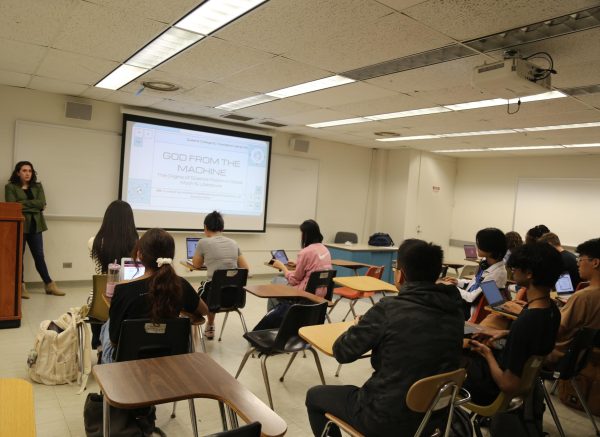
Participation is meant to enhance the learning environment and increase collaboration between students. But allowing the definition of participation to vary between teachers and departments hinders its ability to enhance the learning environment and increase collaboration between students. But allowing the definition of participation to vary between teachers and departments hinders its ability to enhance student learning. It allows for, in most cases, a large part of what is factored into a participation grade to be raising your hand and spitting out answers in class. The remaining part of what is factored into students’ participation grades is left unclear and not outlined in grading policies, possibly because it is left up to how teachers feel.
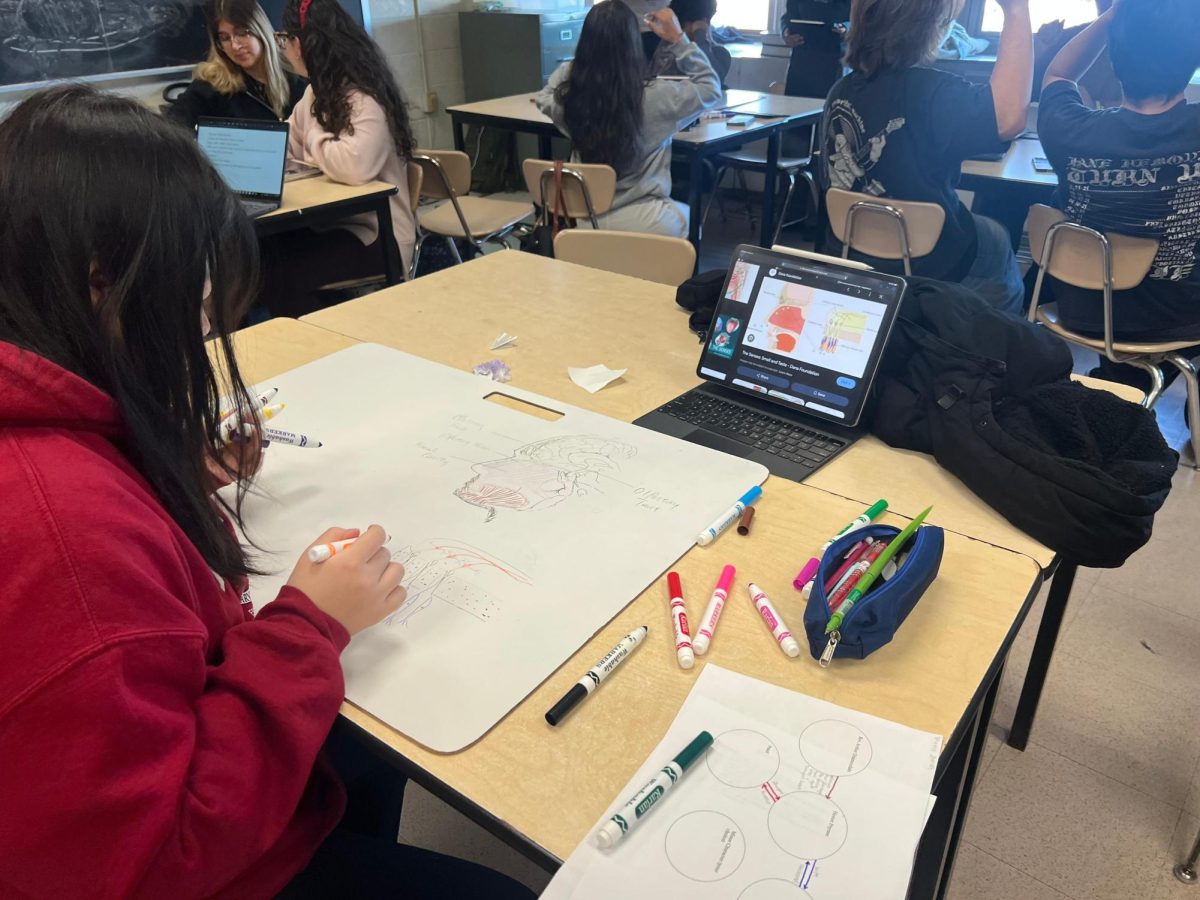
Participation should be both qualitative and quantitative. Participation grades should factor in how often students raise their hands in class, and the quality of their answers when they are called on. To avoid excluding students who are nervous to speak in front of the class, participation should also factor in how often students participate in peer discussions and complete classwork. The times a student engages with their peers should make up a bigger percentage of participation grades.
The lack of clarity in what participation truly is makes for confusing, wavering standards that do little to support and enhance learning.