







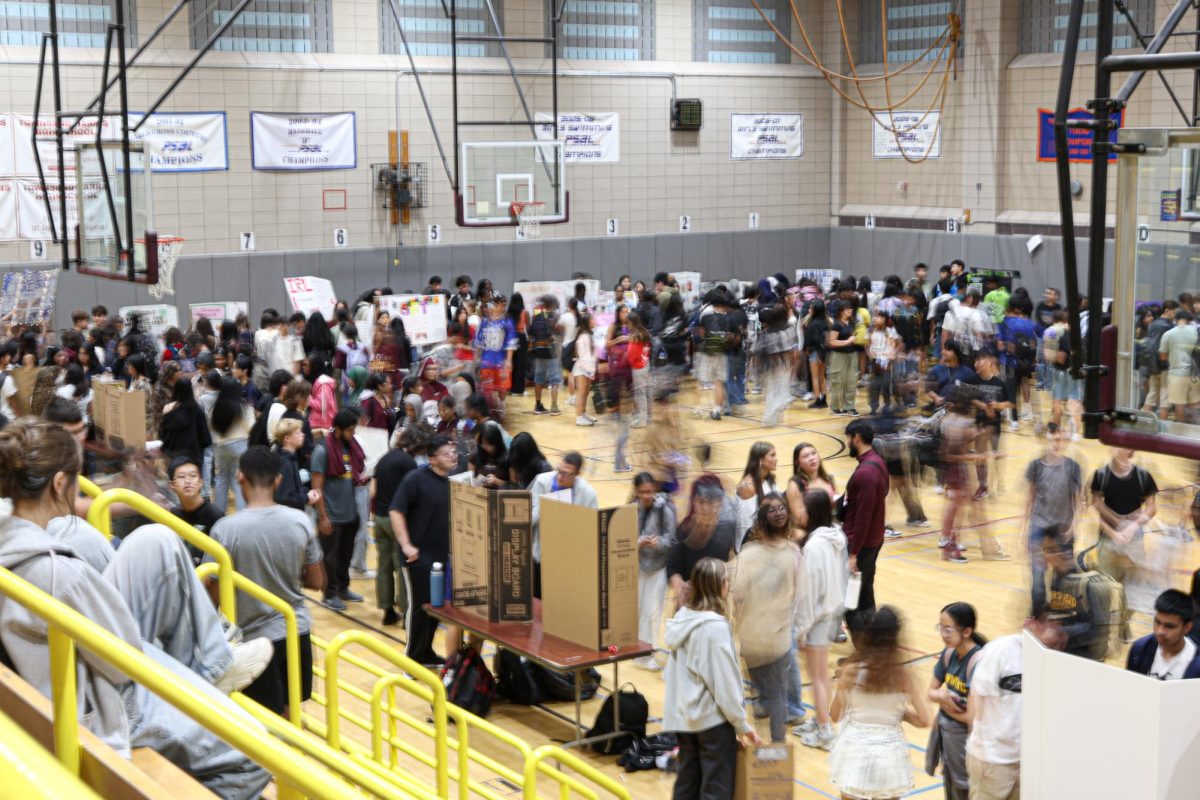










Earlier this semester, the Student Union informed club leaders of the more than ninety clubs offered at Townsend Harris that they must hold elections for certain leadership positions for the 2026-2027 school year. While outgoing student leaders can continue to appoint a new club president, other positions will require elections.
Club Liaison and junior Aki Benjamin said, “I want to make sure that clubs can continue to survive for a long period of time, which has been an issue, and I want to ensure that the most qualified people and the people who are going to make the club the best are the ones in charge.”
He said the reason for the requirement came about because of concerns students have raised about fairness in how clubs select leaders. “I don’t want to single out any clubs, but there were issues brought to the Student Union and the administration pretty consistently where people felt there was nepotism in the club board choosing process and that they deserved a role but did not get it,” Aki said. “Creating elections creates a system in which we have concrete evidence as to why someone gets a position and what makes them qualified over another person, rather than it being subjective to a singular entity choosing.”
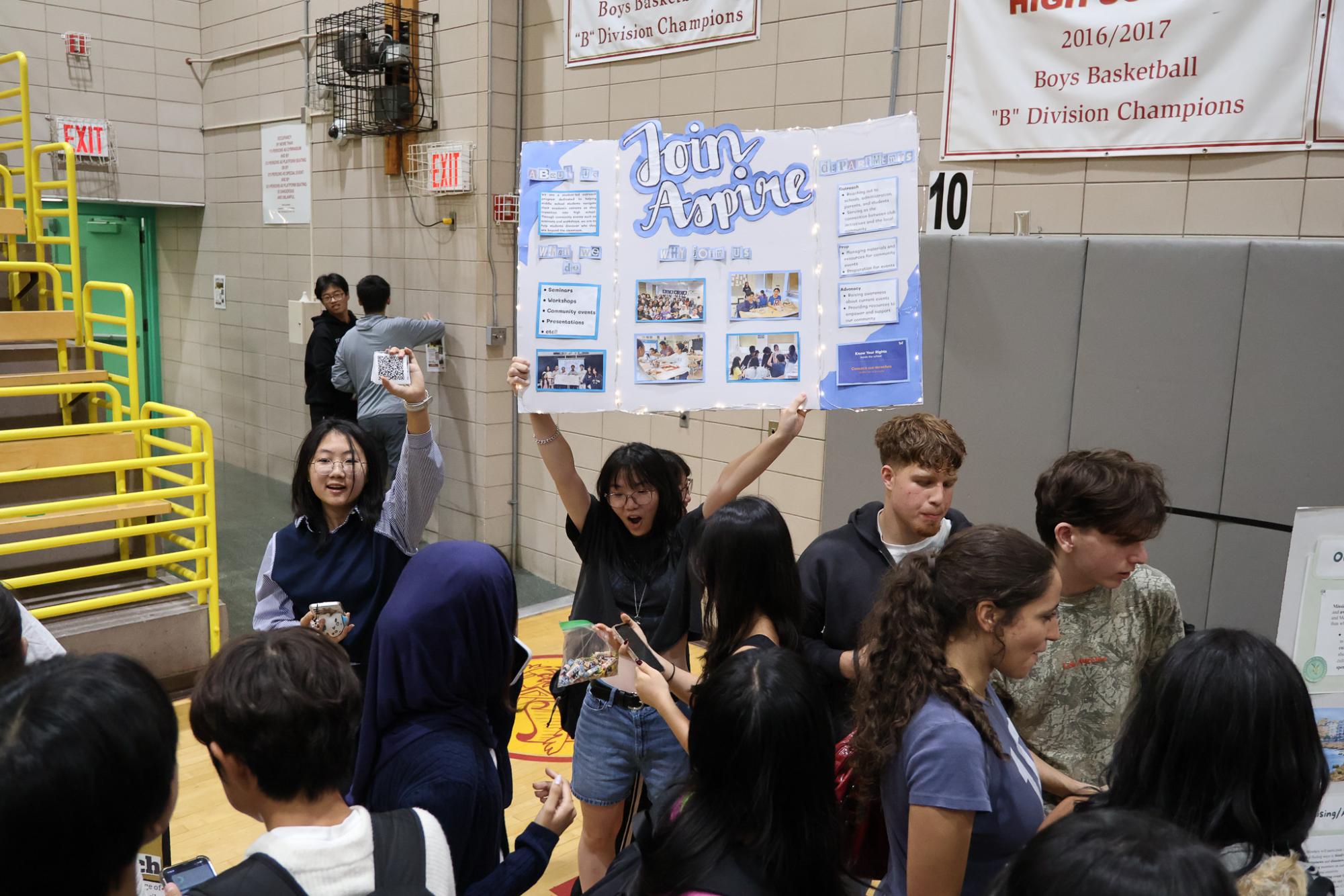
In addition to requiring elections, the SU also shared on Google Classroom a list of how many board positions each club is allowed to offer.
According to Aki, the determination of how many positions a club can offer comes from a policy called the “Four Plus One” rule, where clubs that have “five members or more… not counting board members, are entitled to have four board members.” This setup is intended to account for a president, secretary, treasurer, and one additional role. For every 10 additional members, one more board position is allowed to “compensate for larger clubs having greater needs,” Aki said.
Students who spoke to The Classic largely said that the policy could be positive and create a fairer system for students to earn leadership positions. However, they raised concerns about equity.
Sophomore Avika Sharma said she feels that the number of board members “should be equal for every club no matter how small your club is. I think [the policy] is unnecessary.”
Similarly, Freshman Maya Ali said she feels that board positions should be decided by clubs since each one has a unique way of operating and would allow for people who are interested in leadership positions to have one.
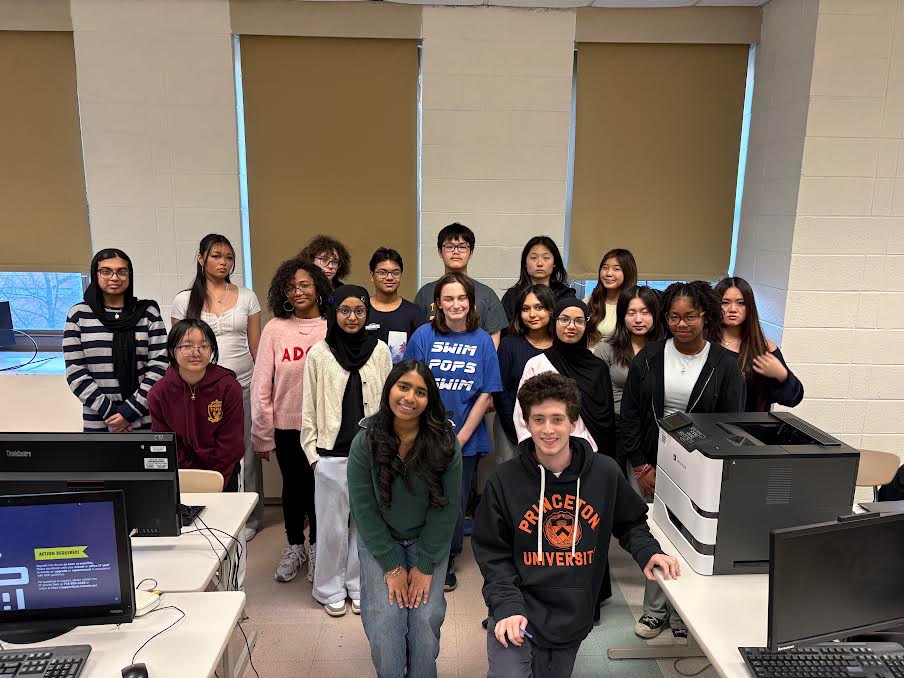
Sophomore Executive-at-Large Tajrian Noor, who will be next year’s Club Liaison, said, “We took a look at our fall [club] credit database, and we noticed that there were more board members compared to members of a club. So at that point, it’s not very efficient.” Aki said that an example of this was, “we actually have one club that had over 20 board positions while only having seven non-board members. That doesn’t really make sense for a club.”
Aki said the club board member limit will be flexible in allowing clubs to expand their boards if needed. “I just want people to talk to me if their club has needs that… [don’t] quite fit…. The [Student Union] is there to support clubs, not the other way around,” Aki said.
According to Coordinator of Student Activities Jaime Baranoff, the policy aims to ensure continuity from year to year. “There was a club a few years ago that ended up shutting down because the founding members graduated and appointed their friends in the grade below to leadership positions, but those students didn’t keep up with the club or have the same passion for the topic,” she said. “Part of the reason we’re emphasizing board elections is to prevent that from happening and to keep people who are genuinely passionate about the club in leadership positions rather than leaders simply appointing their friends.”
Aki said that the policy of having elections for board positions comes from a preexisting policy for clubs that hasn’t been enforced in years. “This is actually an old rule that existed for a long, long time,” he said. “The document that I used this year is essentially a carbon copy of a document I found from 2006 that describes the responsibilities of club advisors. It’s the same document that all clubs got at the start of this year. They all had to get their advisors to sign some basic club rules… outlining clearly what the advisor’s possibilities are.”
Junior Art Club Co-President Katie Torres said she feels her current board has been functioning well, and the election process will likely lead to a new dynamic next year. “It’s not going to be a hard thing, and I’m not against it,” she said. “I don’t think anything is going to change in a negative way. It’s just going to be different.”
Maya said that the election process would make running for board positions easier “because you’re able to speak out for yourself and have… your peers know who you are, so they’ll be able to vote for you,” which is preferable to “if you’re getting interviewed by someone [you are] not exactly comfortable with.”
However, some students feel that the voting policy would undermine club members’ hard work in favor of popularity. Senior Giana Cornier said, “[someone could win] just because [they have] more friends in the club or if they’re overwhelmingly known…I feel like that’s pretty unfair.”
Aki said, “I don’t see that as a major issue because if that person is also competent to do the task, then I don’t think that there’s anything wrong with the person who’s relatively popular in the club and a person who’s able to bring other people into their circle.”
Ms. Baranoff said that the enforcement of these policies is experimental and will be adjusted as needed. “We’re not totally married to the idea if there’s a lot of problems with it, and we can certainly reevaluate,” Ms. Baranoff said.
Adjustments have been made in order to safeguard smaller clubs from being disproportionately affected. According to Aki, “If a club has too few members, that means that we have already put them on probation.”
In response to the probation status, Ms. Baranoff said, “It sounds like a bad thing, but it’s really not. They’re going to just get extra support from the SU in terms of publicizing their meetings and events.”
As the next Club Liaison, Tajrian said, “I think this year, the system became a lot more efficient. I’m hoping to carry that on and make it more efficient, as much as possible.” She said she plans on “keeping most, if not all of the [policies] that we have created this year.”
Aki said, “We have an amazing group of club presidents this year who have all done such a great job of making sure that their clubs are running successfully… I wanted to make sure presidents aren’t the ones taking on everything and… that there’s something more of an equitable distribution of work that we’re monitoring.”
![Incoming Student Union President junior Aki Bejamin and other SU candidates sitting on stage while waiting to give their speeches during the May 18 SU Debate. Aki said he plans to “burn [the SU] all down and start anew.”](https://thhsclassic.com/wp-content/uploads/2026/06/IMG_9600-e1782439128607-1200x1131.jpg)