


![Incoming Student Union President junior Aki Bejamin and other SU candidates sitting on stage while waiting to give their speeches during the May 18 SU Debate. Aki said he plans to “burn [the SU] all down and start anew.”](https://thhsclassic.com/wp-content/uploads/2026/06/IMG_9600-e1782439128607-1200x1131.jpg)






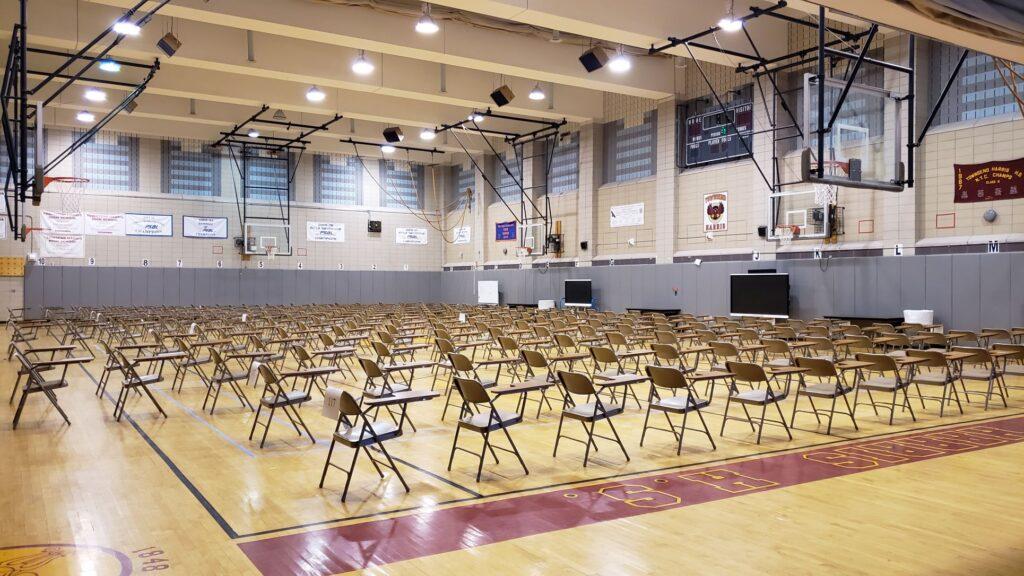










When the school administration released new testing guidelines last year, I waited to see what alternative assessment methods might come alongside standard tests. In the 2025 version of the testing calendar, a note from the administration to teachers reads: “It is your responsibility…to enact the philosophy of the school by finding ways to assess students beyond testing alone.” It was a clear indication that teachers are required to provide alternatives to exams to align with the administration’s philosophy that tests should not be the only measure of a student’s learning in any one course.
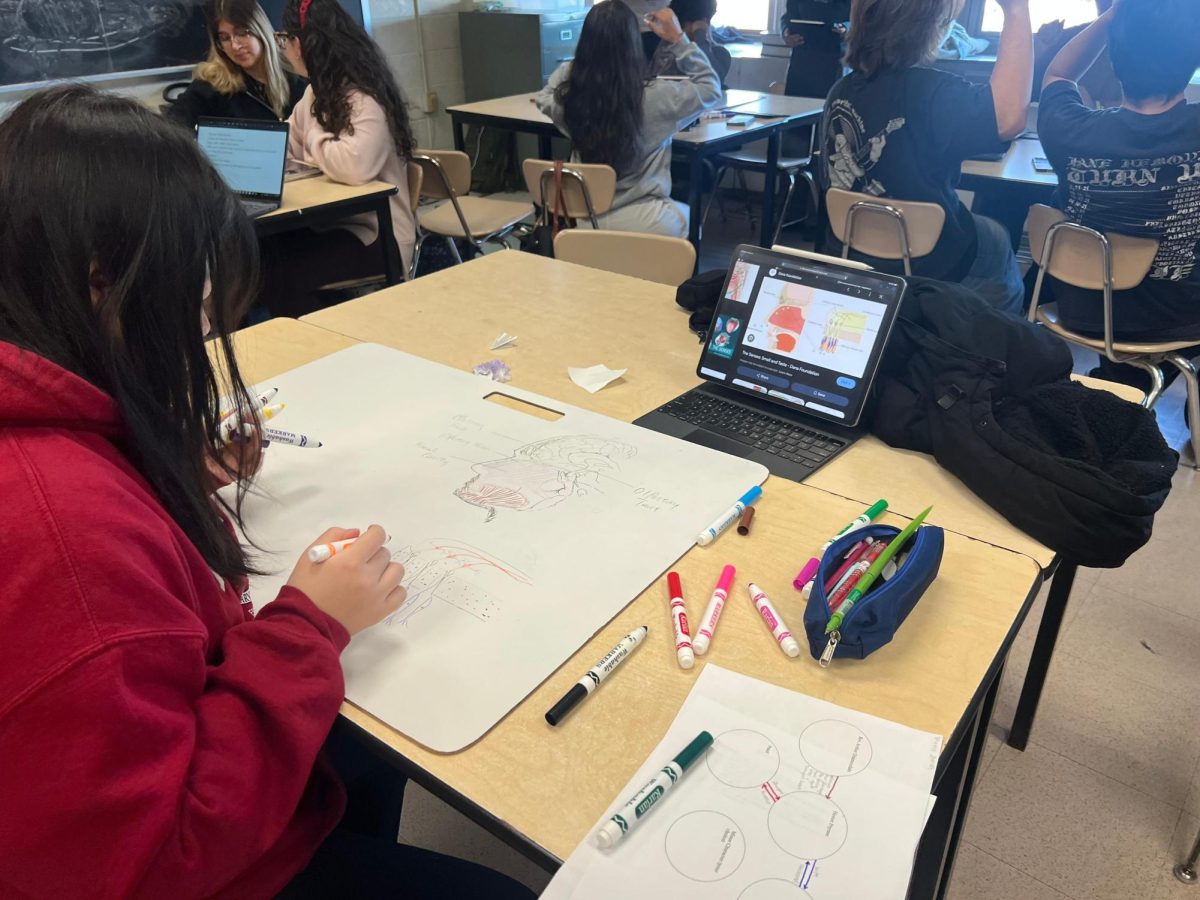
But few alternative assessment methods appeared. Unfortunately, I have noticed little to no change in the number of sit-down tests I have had a year into this schedule. The school’s vision and promise continue to be undermined by the persistent high volume of tests. Teachers are either unsure of how to integrate effective alternative assessments, or they simply don’t want to. Instead when “alternative” assessments are assigned they turn into another test.
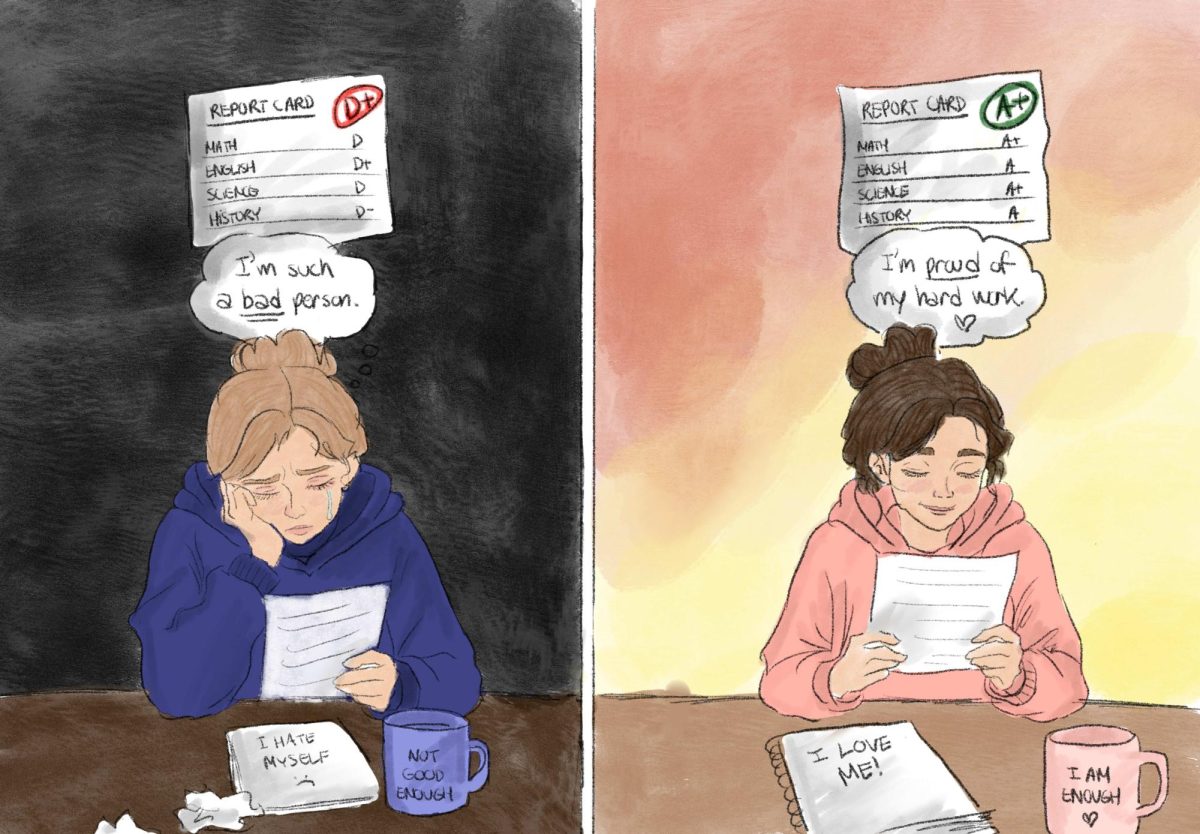
In its grading policy document, the administration acknowledged that every student has at least one bad day. Alternative methods are intended to ensure that a single bad day is not counted into final grades that are supposed to reflect a student’s overall performance. These methods also exist to allow students who struggle with testing in general to demonstrate their learning in different ways.
This year, instead of focusing on providing true alternatives to tests, the STEM department introduced “progress checks.” Progress checks are brief questions on recently taught material that are supposed to provide teachers with direct data on the areas where students are struggling. But in practice, many teachers administer these checks, grade them, and move on. Grading and counting something that is meant to be a tool to help you learn what you need help on is counterintuitive. When many students are nervous about taking a progress check, which, in theory, should be low stakes and diagnostic, their purpose becomes unclear.
These checks were introduced as a way to find out which students need more help in a particular unit. In practice, they are commonly used as quizzes that have little follow up, and they now count for 20% of a student’s average. Because progress checks can be given even on days not specified on the testing calendar, they have become just another anxiety-inducing assessment that’s permitted to violate the testing schedule.
My point in bringing this up is not to suggest that progress checks should also adhere to the testing schedule, but to urge teachers to use them as they were originally intended: to understand where students need more help. Progress checks can be informal, as long as the knowledge the teacher gains from them is used to inform future instruction, rather than as another number that counts toward a student’s final grade.
As for other kinds of “alternative assessments,” on the rare occasion that teachers do assign them, they are either too simple or too grueling, and they fail to actually measure a student’s understanding. For example, in one course, I was assigned to write a research paper on a physicist’s biography, which was expected to be around three to five pages. In theory this assignment could have served as an alternative assessment that would have demonstrated my understanding of physics concepts. But instead it became an additional, or complementary, assessment, not relating to our current unit, due a week after our unit test.
This lack of alternative assessments is not exclusive to the STEM department. However, with the STEM department’s integration of progress checks the department becomes an example of one where the overreliance on tests persists.
The administration may say it wants to offer testing alternatives, but so far, it has only offered a series of changes to a testing calendar that continues to do little to curb overtesting. Administrators and teachers may not feel the effect of the school’s fluctuation in its vision. But the constant changes affect real students on the other side, who are receiving poor grades and are shown little concern about how it might affect them.
Many teachers seem to think a testing calendar mandates tests for every possible testing window. But in fact the calendar does not dictate which types of assessments must be administered. It does not say that only tests are to be given to students, and it certainly does not say that teachers must test every time it is their testing day. The calendar promotes the value of alternatives, but every alternative offered, so far, feels like just another type of test. The whiplash students experience from all these testing calendar changes has less to do with the school failing to find the perfect testing schedule, and more to do with the school failing to implement a consistent educational vision.