






















This year, Townsend Harris High School has started to return mandatory health classes from senior year to sophomore year. This is a good step that fixes an issue that others have raised: students should receive an education in sexual health (a key part of the health course) far earlier than senior year. However, rather than simply moving the course to sophomore year, the school should pair this change with increased efforts to broadcast resources about sexual health to all students regularly. Save for the health class students take, sexual health is otherwise only focused on through occasional events such as HIV/ AIDS day in December. Upon starting school as a freshman, I found that the school effectively highlights its resources for mental health, drug awareness, and transitioning into high school, but there is much less attentiveness and focus on broadcasting resources for sexual health.
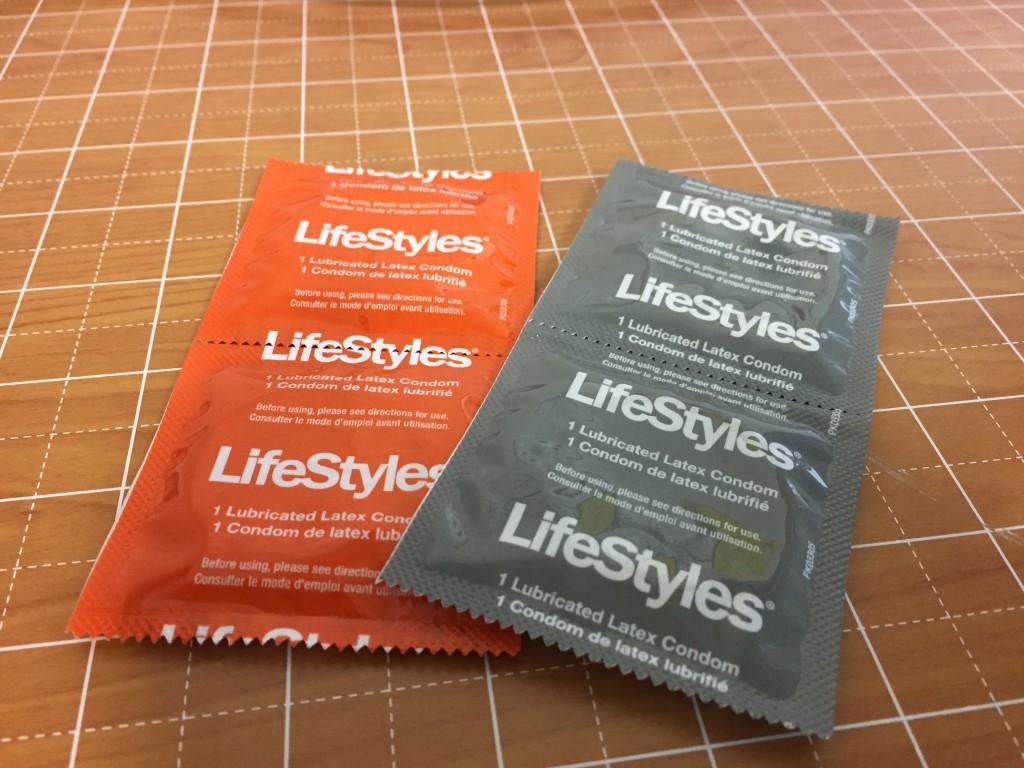
Below is one of the primary resources available to students that could be discussed and shared more prominently and regularly.
The New York City Department of Education Condom Availability Program was created to help students make safe and healthy decisions. It is meant to provide free condoms, information on STDs, and referrals to health clinics and testing centers. At THHS, students are informed of this program through the health class curriculum. It is also briefly shared through a QR code on a poster board in the 3rd floor hallway.
The resources provided by the Condom Availability program are invaluable to not only upperclassmen but underclassmen as well. This is because around 37.9% of students participate in intercourse in high school. However, only 50% of sexually active teens engage in safe sex. This includes implementing practices to mitigate the risk of contracting an STD.
The resources provided by the Condom Availability Program are wasted when students are not aware of this pre-existing resource that could be used, but isn’t. Safe sex must be a topic adolescents are educated on due to the large effect an STD diagnosis or unwanted teen pregnancy could cause to students’ lives.
According to the NYC Public Schools website, the Condom Availability Program ensures “Students in grades 9-12 can go to their school’s Health Resource Room” for other important things too. This includes “referrals to health services available in the school and neighborhood” and additional information on topics that students might have questions about.
Furthermore, the website says that “Health Resource Rooms must be safe, supportive, inclusive places for all students. Staff must keep student visits confidential.”
When students are inevitably curious or confused, conversations regarding adolescents and adults must remain confidential to ensure trust between students and their authority figures. This only applies if students are not in danger, as all teachers are required to report on situations that might injure any parties involved. But, overall, by ensuring conversations are confidential, students are able to safely and comfortably receive assistance with anything that might be causing them harm in their life.
These are all valuable things for students to know they can access if need be, but do they know they can get help? Do they know exactly where to go and who can help? It’s important to be more vocal, more public, and more prominent with this information. Students should know all of this information without having to ask.
To ensure resources regarding sexual health are broadcasted and effectively provided, the school can send emails regarding topics directly from the DOE, and many pre-existing resources can be turned into posters and hung up more prominently throughout the school building (not just in one or two places).